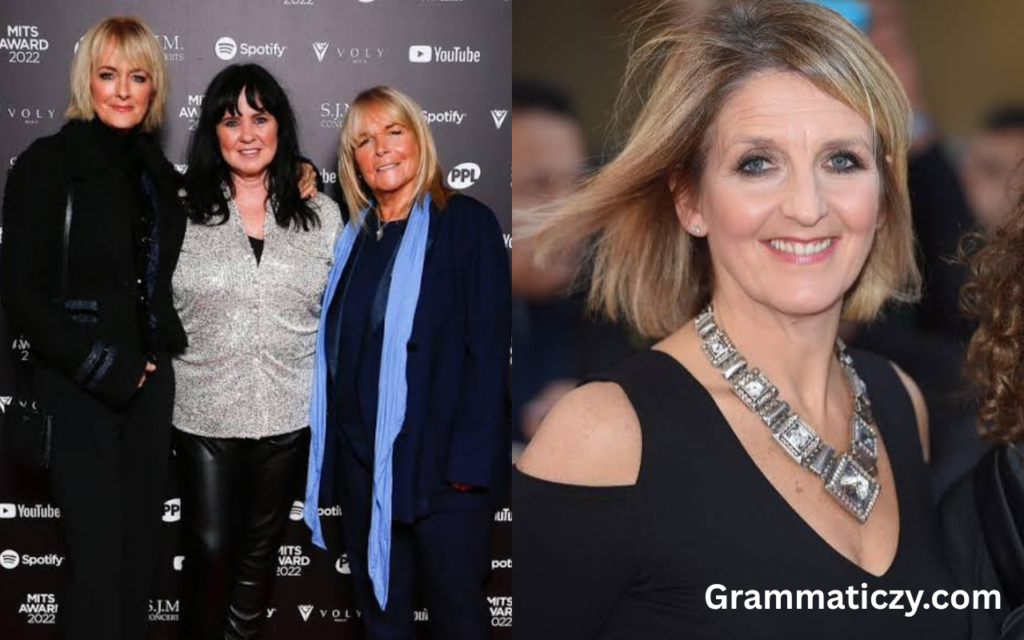
For more than a quarter of a century, the women sitting around the Loose Women panel have become familiar faces in British homes. What began in 1999 as a new daytime discussion programme has developed into one of ITV’s most recognisable television brands, built around outspoken opinions, personal stories, humour, disagreement and conversations about subjects that affect ordinary people. Rather than relying on a single presenter, Loose Women has created its identity through generations of women from journalism, acting, music, comedy, sport, reality television and broadcasting.
The history of the Loose Women presenters is therefore much bigger than a list of television personalities. It is a story of changing attitudes, evolving careers and women using mainstream television to discuss subjects that were not always openly addressed in daytime broadcasting. Over the years, viewers have watched presenters talk about relationships, motherhood, divorce, grief, ageing, health, careers, body confidence, politics, social issues and personal setbacks. The combination of entertainment and genuine personal experience has helped the programme maintain a loyal audience.
Loose Women first aired on 6 September 1999 with Kaye Adams, Nadia Sawalha, Jane Moore and Karren Brady on the panel. ITV describes it as Britain’s longest-running all-female panel show, and its 25th-anniversary celebrations highlighted how seven generations of panellists have contributed to the programme. The current official ITV panellist page includes established names such as Kaye Adams, Ruth Langsford, Coleen Nolan, Jane Moore, Janet Street-Porter and Linda Robson alongside newer voices including Judi Love, Charlene White, Frankie Bridge, Katie Piper and others.
Loose Women Presenters at a Glance
| Category | Details |
|---|---|
| Programme | Loose Women |
| Network | ITV |
| First broadcast | 6 September 1999 |
| Format | Daytime television panel and discussion programme |
| Original panel | Kaye Adams, Nadia Sawalha, Jane Moore and Karren Brady |
| Notable long-serving presenters | Kaye Adams, Ruth Langsford, Coleen Nolan, Jane Moore, Janet Street-Porter, Linda Robson and others |
| Current and recent panellists | Charlene White, Christine Lampard, Judi Love, Stacey Solomon, Brenda Edwards, Frankie Bridge, Katie Piper, Sunetra Sarker, Sophie Morgan and others |
| Major younger-generation names | Olivia Attwood and GK Barry |
| First episode presenter | Kaye Adams |
| Programme anniversary | 25 years celebrated in 2024 |
| Social media | @loosewomen on Instagram, Facebook and X; @loosewomenofficial on TikTok |
| Genre | Daytime discussion, entertainment, celebrity interviews and current affairs |
| Major recognition | National Television Awards, Royal Television Society Awards, TRIC Awards, TV Choice Awards and BAFTA recognition |
| Production | ITV Studios |
| 2026 format | ITV announced a seasonal 30-week schedule for Loose Women as part of wider daytime changes |
Because Loose Women presenters refers to numerous individuals, there is no single age, birthplace, family background or net-worth figure for the group. Individual financial estimates circulating online should also be treated cautiously because ITV does not publish private presenter salaries or personal wealth figures. The programme itself has nevertheless built a substantial media presence, with ITV reporting more than 2.7 million followers across its social platforms in 2024.
How Loose Women Began and Why the Original Presenters Mattered
The story of the Loose Women presenters began in September 1999 when ITV introduced a new kind of daytime discussion programme. Kaye Adams, Nadia Sawalha, Jane Moore and Karren Brady formed the original panel, with Adams and Sawalha particularly associated with the early hosting format. ITV’s archive confirms that the first episode aired on 6 September 1999 and that the programme was initially promoted as a weekday magazine show combining colourful conversation, gossip and celebrity discussion.
The idea was simple but distinctive. Instead of one presenter delivering information to viewers, several women could sit together and discuss subjects from different perspectives. They could agree, disagree, laugh, challenge each other and occasionally reveal deeply personal experiences. That conversational structure became one of the show’s greatest strengths because it made the programme feel less like a formal broadcast and more like an extended conversation between personalities with very different lives.
The original presenters also established a template that future panellists would follow. They were not required to have identical backgrounds or opinions; instead, their differences were part of the attraction. Journalists could sit alongside actresses, singers, broadcasters and later reality personalities. Over time, that formula allowed Loose Women to evolve without losing its central identity, making the history of the presenters almost as important as the history of the programme itself.
Kaye Adams: The Presenter Who Helped Define Loose Women
Kaye Adams occupies a special place in the history of Loose Women because she presented the very first episode and remained closely associated with the programme across its many eras. Her background was firmly rooted in journalism and broadcasting rather than celebrity entertainment. After graduating from the University of Edinburgh, she studied news politics and journalism and began building experience in television news. ITV notes that she worked on Scotland Today, presented Scottish Women and was among the first reporters at the scene of the Lockerbie disaster in 1988.
That journalistic experience helped shape Adams’s presenting style. She developed the ability to manage a discussion while allowing other panel members to express strong opinions. Her career before Loose Women also meant she understood the importance of asking questions, listening carefully and keeping conversations moving. Those skills became particularly valuable in a programme where the tone could shift within minutes from comedy and celebrity stories to serious discussions about family, politics or personal difficulties.
Adams’s longevity also illustrates one of the central characteristics of Loose Women: the programme has allowed presenters to grow alongside their audience. Rather than remaining frozen in the role they occupied when they first appeared, long-serving presenters have experienced career changes, family milestones and personal developments in front of viewers. Adams became one of the programme’s most recognisable anchors, while continuing to work in radio and other broadcasting projects.
Nadia Sawalha: From Acting to Daytime Television
Nadia Sawalha brought a completely different professional background to the original Loose Women lineup. She trained at the Italia Conti Academy of Theatre Arts and began her career in theatre before gaining wider recognition as Annie Palmer in EastEnders. Her acting career gave her an understanding of character, performance and audience connection, qualities that later translated naturally into unscripted television.
Sawalha became one of the original Loose Women panellists in 1999 and later took a maternity break before returning to the programme in 2013. Her career outside the panel continued to expand as she presented programmes including The One Show, Wanted Down Under and Saturday Cookbook. She also won Celebrity MasterChef in 2007 and went on to write cookbooks, adding another dimension to her professional identity.
Her work has increasingly extended into digital media, where she has shared recipes, family content, vlogs and informal conversations. Her online work with husband Mark Adderley has allowed her to communicate with audiences in a more personal way than traditional television normally permits. Sawalha’s career demonstrates how a presenter can move between acting, daytime television, food, publishing and digital content while maintaining a recognisable public identity.
Jane Moore and the Journalism Behind the Panel
Jane Moore is another of the programme’s original personalities and brings one of the strongest journalism backgrounds to the panel. She became known as a national newspaper reporter, royal correspondent and feature writer, covering subjects ranging from celebrity stories to serious crimes. ITV also notes her experience presenting documentaries on subjects including food labelling, the HPV vaccine, the banking crisis and government spending.
Her background gives Moore a different role within the Loose Women environment. While the programme is famous for entertainment and personal discussion, it also regularly addresses political and social subjects. A presenter with extensive journalistic experience can add context to those conversations and challenge statements when necessary. Moore has also appeared on political debate programmes, making her particularly comfortable when discussions become more serious or controversial.
Moore’s work outside television has further strengthened her career. She has written novels and worked as a ghostwriter, showing that her professional identity has never depended entirely on daytime television. ITV notes that she lives in London and has two daughters and a step-daughter. Her long association with Loose Women has therefore existed alongside journalism, writing, documentary work and family life.
Ruth Langsford and the Evolution of Daytime Presenting
Ruth Langsford is another major name in the history of Loose Women. She appeared during the programme’s earliest period and eventually became one of its most recognisable television personalities. Her broader career has included extensive daytime presenting, giving her years of experience in live television and audience-focused broadcasting.
Langsford’s style is particularly suited to the fast-moving nature of a daytime panel show. The presenter must introduce subjects, manage several personalities, respond to unexpected comments and maintain the rhythm of the programme without making the discussion feel overly controlled. That combination of professionalism and warmth has helped make Langsford an enduring figure within ITV daytime television.
Her longevity also reflects the unusual career path available through Loose Women. Many presenters who initially joined the programme for a specific period eventually developed long-standing relationships with its viewers. Langsford became one of the women audiences associated strongly with the show’s established era, particularly as the programme expanded its discussions beyond celebrity news into family life, relationships and wider social issues.
Coleen Nolan and the Family Story Behind Her Television Career
Coleen Nolan represents the entertainment side of the Loose Women story. Before becoming a familiar face on daytime television, she was part of The Nolans, the successful singing group formed with members of her family. Her experience in music gave her a very different route into broadcasting compared with journalists such as Kaye Adams and Jane Moore.
Nolan eventually became one of the programme’s most recognisable long-serving panellists. ITV’s 25th-anniversary material noted that both Nolan and Janet Street-Porter had individually appeared in more than 1,000 episodes, an indication of just how significant their contribution has been.
Her appeal has often come from her willingness to discuss ordinary experiences with unusual openness. Family relationships, grief, love, ageing and personal challenges have all featured in the stories she has shared publicly. That ability to combine celebrity experience with everyday emotions is central to the appeal of many Loose Women presenters and helps explain why viewers can develop such long-term connections with them.
Janet Street-Porter and the Voice of Strong Opinions
Janet Street-Porter brought decades of journalism and broadcasting experience to Loose Women. Her career has included newspaper journalism, television production, writing and political discussion, making her one of the panel’s most recognisable outspoken personalities. She became particularly associated with direct opinions and a willingness to challenge other members of the panel.
Her presence helped demonstrate that Loose Women could accommodate very different generations and professional backgrounds. Street-Porter’s journalism career belongs to a different era of British media from the social-media careers of younger panellists, yet her personality remained highly compatible with the show’s conversational format.
ITV has also highlighted Street-Porter’s wider cultural contribution. She has appeared in entertainment projects beyond the programme, including a cameo in Neighbours and an appearance with Linda Robson in Hollyoaks as themselves. She was also appointed a CBE, underlining that her career extends well beyond daytime television.
Linda Robson, Denise Welch and the Power of Personal Stories
Linda Robson became another defining member of the long-running panel. Known for her acting career, particularly through Birds of a Feather, she brought decades of entertainment experience to the programme. Her personality helped create the relaxed atmosphere for which Loose Women became known, while her willingness to speak about everyday experiences made her highly relatable to viewers.
Denise Welch similarly became one of the programme’s most recognisable personalities. Her acting career includes Coronation Street, Waterloo Road and other television work, while her public discussions about mental health became an important part of her wider identity. Her career demonstrated how Loose Women could become a platform through which celebrities discussed subjects that might otherwise remain private.
In August 2026, Welch announced that she was leaving the programme after roughly 25 years connected with the show. Her departure was significant because she had become one of the most familiar faces associated with its modern era. Reports around her exit highlighted her desire to pursue further acting opportunities, showing how long-serving presenters can eventually choose new professional challenges.
Charlene White, Judi Love and the Changing Panel
Charlene White brought strong journalism credentials to the programme through her work as a television news presenter. Her experience in news broadcasting gives the panel another voice capable of handling current affairs and politically sensitive subjects. She represents the way Loose Women has increasingly blended traditional journalism with entertainment and personal discussion.
Judi Love represents another side of the modern panel. As a comedian and television personality, she can bring humour into conversations while still addressing subjects that matter to viewers. Her career reflects the programme’s willingness to recruit presenters from comedy and entertainment rather than relying solely on traditional television journalists or actresses.
The combination of White, Love and other newer voices demonstrates how the programme has evolved without abandoning its original concept. Today’s Loose Women panel can include a journalist, comedian, singer, actress, campaigner and social-media personality within the same episode. That variety makes disagreement inevitable, but it also keeps the programme relevant to audiences with different experiences.
Katie Piper, Frankie Bridge and the Wider Influence of the Panel
Katie Piper has contributed a particularly strong story of resilience to the programme. Her career spans television, writing, modelling and campaigning, and her public work has often focused on confidence, recovery and personal empowerment. Her presence on Loose Women has allowed those themes to become part of broader conversations about how people respond to difficult experiences.
Frankie Bridge represents another route into television. Having first become famous through music, she later developed a substantial television career and became a regular part of the Loose Women world. Her journey shows how musicians can successfully transition into broadcasting when they bring personality, communication skills and a willingness to discuss their own experiences.
Brenda Edwards, Kelle Bryan, Sunetra Sarker, Sophie Morgan, Christine Lampard, Stacey Solomon and other panellists have similarly expanded the range of voices appearing on the programme. ITV’s official list demonstrates just how broad the current and recent panel has become, encompassing singers, actresses, presenters, journalists, athletes and personalities from different areas of entertainment.
Olivia Attwood, GK Barry and the Digital Generation
One of the most significant developments in the history of Loose Women has been the arrival of personalities who became famous through reality television and social media. Olivia Attwood is a clear example. After gaining recognition through Love Island, she developed her own television career and eventually became part of a programme that she had once watched as a viewer.
The transition is significant because reality television personalities were historically placed into narrow categories by the entertainment industry. Attwood’s experience demonstrates how those boundaries have become less rigid. In the 2024 anniversary press material, she described joining Loose Women as surreal because she had grown up watching the programme.
GK Barry represents an even newer media generation. Having built a large audience through social platforms, she demonstrates how the definition of a television presenter has changed since Loose Women launched in 1999. Younger viewers may encounter personalities on TikTok, Instagram or podcasts before seeing them on traditional television, so bringing digital creators into established formats can help programmes reach audiences beyond conventional daytime television.
Awards, Campaigns and the Cultural Impact of Loose Women
The achievements of Loose Women extend beyond ratings. ITV reported that the programme and its specials had won 12 major awards by its 25th anniversary, including National Television Awards, Royal Television Society Awards, TRIC Awards, TV Choice Awards and a Mind Award. The programme also received a BAFTA nomination in 2024.
Some of its most meaningful influence has come through campaigns addressing social and health issues. ITV has highlighted campaigns including Lighten the Load, Facing It Together, Don’t Skip Your Screening, Body Stories and Half-Time Team Talk. The Facing It Together domestic-abuse campaign in 2024 was particularly notable, with organisations reporting increased demand for support services following the campaign.
The programme has also demonstrated that a daytime panel can contribute to broader public conversations. Interviews with political leaders and discussions around healthcare, family life, social expectations and women’s experiences have given Loose Women a role that sits somewhere between entertainment and public discussion. This ability to switch between humour and serious subjects has become one of its defining characteristics.
Social Media, Audience Connection and Online Influence
The modern Loose Women presenters operate in a media environment very different from the one that existed when the show began. In 1999, viewers primarily encountered the women through television. Today, they can follow presenters on Instagram, watch clips on TikTok, listen to podcasts and see behind-the-scenes material almost immediately after an episode airs.
The programme itself has embraced this change. ITV reported in its 25th-anniversary material that Loose Women had more than 2.7 million followers across its social platforms and reached more than 22 million unique social-media accounts each month. The official programme accounts include @loosewomen on Instagram, Facebook and X and @loosewomenofficial on TikTok.
This online presence has changed the relationship between presenters and viewers. A television personality can now continue a conversation after the cameras stop rolling, respond to public reaction and share aspects of their life that do not fit into a one-hour programme. For younger presenters in particular, social media is not simply promotional—it is a central part of their professional identity.
Loose Women Presenters and Their Personal Lives
One of the strongest reasons audiences connect with the presenters is the programme’s emphasis on personal experience. Viewers are often introduced not just to a television personality but to a mother, daughter, partner, friend, actor, journalist or campaigner facing familiar life experiences.
Jane Moore, for example, has spoken publicly about family life and is a mother of two daughters as well as a step-daughter. Nadia Sawalha has also shared aspects of her family life through television and online content, including her life with husband Mark Adderley and their two daughters.
That openness is also why individual presenters can become emotionally important to viewers. When a presenter discusses grief, relationship problems, ageing, parenting, career uncertainty or health concerns, the conversation can feel more authentic than a scripted television segment. The presenters’ willingness to acknowledge imperfections has become one of the programme’s most valuable characteristics.
Loose Women Presenters Net Worth and Sources of Income
There is no reliable collective figure for the net worth of Loose Women presenters, because the programme has featured dozens of women with very different careers and financial circumstances. Online estimates often combine property values, television earnings, book sales, business interests and speculative figures without providing enough evidence to verify the totals.
The presenters’ potential income sources are much broader than their Loose Women salaries. Depending on the individual, income may come from television contracts, acting, journalism, radio, books, theatre, reality television, podcasting, social-media partnerships, public appearances and commercial projects. Some presenters have also developed businesses or independent media careers.
A sensible assessment therefore avoids presenting unverified celebrity-wealth estimates as fact. What is clear is that several of the programme’s longest-serving presenters have built careers lasting decades, giving them opportunities to generate income from multiple professional areas. Their financial journeys are better understood as long-term entertainment careers rather than simply earnings from a daytime panel show.
Recent Loose Women Changes in 2026
The programme entered a significant transition period in 2026 as ITV changed the way its daytime schedule and production operations were organised. ITV announced that Loose Women would move to a seasonal 30-week schedule, while Lorraine and This Morning would also be affected by wider changes to daytime production and scheduling.
The presenter lineup has also experienced major developments. Nadia Sawalha said in August 2026 that she had begun legal action against ITV after being taken off Loose Women. She alleged that her treatment was connected to her support for Palestine and described what she believed was discrimination. These are allegations rather than established findings, and ITV’s position should be distinguished from Sawalha’s claims.
Denise Welch’s decision to leave after around 25 years has added another major change to the programme’s presenter history. Her departure illustrates how the panel is continually evolving. At the same time, established names remain important to the show’s identity, meaning the future of Loose Women is likely to involve a mixture of experienced presenters and newer personalities.
The Future of Loose Women Presenters
The future of the Loose Women presenters will probably be shaped by the same forces transforming the rest of television: streaming, social media, changing viewing habits and the growing importance of personalities with established online communities. Younger figures such as GK Barry demonstrate that the traditional route into television is no longer the only path to a major daytime platform.
At the same time, the programme’s longevity suggests that experience still matters. Presenters such as Kaye Adams, Ruth Langsford, Coleen Nolan and Jane Moore have accumulated decades of broadcasting knowledge and understand how to handle live discussions. Their experience provides continuity while younger presenters introduce new language, cultural references and perspectives.
That balance may ultimately determine how successful the next era becomes. Loose Women does not need to become an entirely different programme to remain relevant. Instead, its strongest future may come from maintaining its central promise—different women with different experiences having honest conversations—while allowing the faces, subjects and platforms surrounding them to change.
Conclusion: The Lasting Legacy of Loose Women Presenters
The story of the Loose Women presenters is ultimately a story about reinvention. Since 1999, the programme has brought together journalists, actresses, singers, comedians, broadcasters, campaigners, athletes and reality personalities, allowing each generation to leave its own mark. Kaye Adams and the original panel established the foundation, while long-serving personalities such as Ruth Langsford, Coleen Nolan, Jane Moore, Janet Street-Porter and Linda Robson helped turn the programme into a familiar part of British television.
What makes the legacy particularly powerful is the willingness of these presenters to discuss real life rather than presenting an image of perfection. They have talked openly about relationships, families, careers, ageing, grief, health, confidence and personal setbacks. In doing so, they have helped demonstrate that daytime television can entertain while also creating space for meaningful conversations.
As Loose Women enters another period of change, its future will inevitably look different from its past. Presenters will leave, new voices will arrive and social media will continue to transform the relationship between television personalities and audiences. Yet the central idea that made the programme successful remains remarkably durable: give people with different backgrounds a seat at the table and allow them to speak honestly. The continuing story of the Loose Women presenters is therefore not simply about television fame—it is about resilience, reinvention, confidence and the enduring power of having a voice.