A clogged toilet has a way of ruining your day at the worst possible moment. Maybe it’s right before guests arrive, or just as you’re rushing out the door for work. Whatever the timing, a backed-up toilet is more than an inconvenience—it can signal a bigger issue lurking in your plumbing system.
The good news? Most clogged toilets are fixable, and many of them don’t require a complete overhaul of your bathroom. Understanding why toilets clog, what you can safely try at home, and when it’s time to call in a professional can save you time, money, and plenty of frustration.
This guide walks through the common causes of toilet clogs, practical troubleshooting steps, and why trusting an experienced plumbing team makes all the difference when DIY fixes fall short.
Why Does My Toilet Keep Clogging?
Toilets clog for a variety of reasons, and some causes are more serious than others. Here are the most common culprits:
Too Much Toilet Paper or Non-Flushable Items
Toilets are designed to handle human waste and a reasonable amount of toilet paper—nothing more. Items like wipes (even ones labeled “flushable”), paper towels, feminine hygiene products, and cotton balls don’t break down the way toilet paper does. Over time, these materials build up and create stubborn blockages.
Low-Flow Toilet Issues
Many modern toilets are designed to conserve water, which is great for your utility bill but can sometimes mean less flushing power. If your toilet doesn’t fully clear waste in a single flush, it’s more prone to clogging.
Hard Water Buildup
In areas with hard water, mineral deposits can accumulate inside the toilet’s trap and drainpipe. Over months and years, this buildup narrows the passage, making clogs more frequent even with normal use.
Issues Further Down the Drain Line
Sometimes the problem isn’t the toilet at all. Tree roots, old or damaged pipes, or a blockage further down your home’s main sewer line can cause repeated clogging throughout your plumbing system, not just in one toilet.
Simple Steps to Try Before Calling a Plumber
Before you pick up the phone, there are a few things worth attempting at home:
Use a Plunger Correctly
A flange plunger (the kind with an extended rubber flap) creates a better seal than a standard cup plunger. Push down gently first to release trapped air, then plunge firmly several times to dislodge the clog.
Try a Toilet Auger
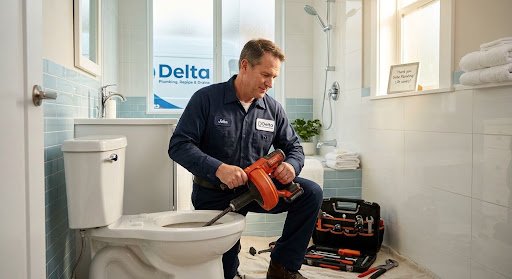
If plunging doesn’t work, a toilet auger—sometimes called a closet auger—can reach further into the drain to break up or retrieve the blockage. These tools are inexpensive and widely available at hardware stores.
Add Hot Water and Dish Soap
Pouring a small amount of dish soap followed by hot (not boiling) water into the bowl can help lubricate the clog and encourage it to move through the pipe.
Avoid Harsh Chemical Cleaners
While chemical drain cleaners promise a quick fix, they can damage pipes over time, especially older ones. They’re also not very effective against solid blockages like a lodged toy or buildup of wipes.
When a Clogged Toilet Signals a Bigger Problem
If your toilet clogs frequently, drains slowly even after unclogging, or multiple fixtures in your home are backing up at once, these are signs of a deeper issue. It could point to a blocked main sewer line, outdated or deteriorating pipes, or tree root intrusion—none of which are DIY-friendly fixes.
Ignoring these warning signs can lead to bigger headaches down the road, including water damage, mold growth, and costly emergency repairs. Addressing the root cause early is almost always more affordable than waiting for a complete pipe failure.
Why Trust Delta Plumbing, Repipe and Drains With Your Toilet Troubles
Clogged Toilet problems can quickly disrupt your daily routine, especially when stubborn blockages refuse to clear despite your best efforts. Delta Plumbing, Repipe and Drains brings years of hands-on experience to every job, identifying the underlying cause of the blockage rather than simply treating the symptoms, so you can enjoy reliable results, restored convenience, and greater peace of mind.
The team uses professional-grade tools, including drain cameras and augers built for tougher jobs than a standard household kit can handle. This means faster diagnosis, more accurate repairs, and fewer repeat visits. Whether the issue is a simple blockage or a sign of aging pipes that need repiping, Delta Plumbing, Repipe and Drains has the expertise to get your bathroom back in working order quickly and affordably.
Beyond the technical skill, what sets Delta Plumbing, Repipe and Drains apart is a genuine commitment to customer care. The team takes time to explain what’s happening with your plumbing, walks you through your options, and never pushes unnecessary repairs. That transparency builds trust, one household at a time.
Preventing Future Clogs
Once your toilet is flowing freely again, a few habits can help you avoid repeat issues:
- Only flush toilet paper and human waste—nothing else.
- Keep a small trash bin in the bathroom for wipes, cotton products, and other non-flushable items.
- Schedule periodic drain inspections, especially in older homes, to catch buildup or root intrusion early.
- Consider a water softener if hard water is a known issue in your area.
Don’t Let a Clogged Toilet Disrupt Your Day
A clogged toilet doesn’t have to mean a stressful, drawn-out ordeal. With the right troubleshooting steps, many minor clogs can be resolved quickly at home. But when the problem persists or points to something more serious, having an experienced plumbing team in your corner makes all the difference.
Delta Plumbing, Repipe and Drains is ready to help with fast, reliable service for clogged toilets, drain issues, and repiping needs. Reach out today to schedule an appointment and get your plumbing running smoothly again.
FAQ
How do I know if my clogged toilet is a simple fix or a bigger issue?
If plunging or using an auger clears the blockage and the toilet flushes normally afterward, it’s likely a simple clog. Frequent clogging, slow drainage across multiple fixtures, or gurgling sounds from other drains suggest a larger problem that needs professional attention.
Is it safe to use chemical drain cleaners on a clogged toilet?
Chemical drain cleaners aren’t recommended for toilets. They can damage porcelain and older pipes, and they’re often ineffective against solid blockages. A plunger, auger, or professional service is a safer and more effective choice.
How much does it cost to fix a clogged toilet?
Costs vary depending on the severity of the clog and whether underlying pipe issues are involved. Simple clogs are typically inexpensive to resolve, while problems tied to sewer lines or aging pipes may require a more involved repair.
Can a clogged toilet lead to water damage?
Yes. An overflowing or repeatedly clogged toilet can cause water damage to flooring, subflooring, and even ceilings below if left unaddressed. Prompt attention helps avoid these costly consequences.