A heating and cooling system depends on more than the main equipment to provide comfortable indoor conditions. The network of ducts that carries conditioned air throughout a property is equally important because it distributes heated or cooled air from the central equipment to individual rooms. Over time, dust, dirt, pet hair, construction debris, and other particles can accumulate inside portions of the duct system, particularly when filters are not maintained properly or when the system has experienced prolonged exposure to contaminants. Professional air duct cleaning can help address accumulated debris when inspection shows that cleaning is appropriate and beneficial. Clean and properly maintained ductwork can support better airflow and help prevent excessive debris from circulating through the air distribution system. However, cleaning should be based on the actual condition of the ducts rather than treated as an automatic solution for every indoor air quality concern. Understanding when cleaning may be useful, what the process involves, how it relates to HVAC efficiency, and how regular maintenance supports duct cleanliness can help property owners make informed decisions about their heating and cooling systems.
Understanding the Purpose of Air Ducts
Air ducts serve as pathways that transport conditioned air between HVAC equipment and occupied spaces. Supply ducts carry heated or cooled air toward rooms, while return ducts bring indoor air back toward the equipment for conditioning. Because these pathways form part of a larger circulation system, their condition can influence airflow and overall system performance. Dust and other particles can collect on internal surfaces, especially in areas where airflow patterns allow material to settle. Professional air duct cleaning focuses on removing accumulated debris from accessible portions of the duct system and related components when cleaning is justified. The objective is not simply to make the inside of a duct look clean but to support the proper operation of the entire air distribution system. Ductwork can vary significantly in design, material, age, and accessibility, so the appropriate cleaning method depends on the specific system. A professional inspection can help determine whether visible buildup is significant enough to warrant cleaning or whether other HVAC maintenance concerns should be addressed first.
Recognizing Signs That Ducts May Need Attention
Several conditions may suggest that ductwork requires inspection. Visible dust or debris around supply registers, persistent dust accumulation shortly after cleaning, evidence of pests, noticeable debris inside accessible duct sections, or signs of moisture can indicate that further evaluation may be useful. However, not every dusty room or indoor air quality complaint automatically means the ducts require cleaning. Other factors, including filters, ventilation, humidity, building materials, and everyday household activities, can influence indoor dust levels. Professional air duct cleaning should therefore begin with an assessment of the actual condition of the air distribution system rather than relying on assumptions. If significant contamination is found, appropriate cleaning can remove accumulated material from accessible areas. If the ducts appear reasonably clean, other solutions may be more appropriate. A careful evaluation helps prevent unnecessary service while ensuring that genuine ductwork problems receive proper attention. Property owners should also investigate unusual odors, moisture, or pest-related contamination because these conditions may require additional corrective measures beyond ordinary cleaning.
How Dust Accumulates Inside Ductwork
Dust enters indoor spaces through normal daily activities, outdoor air infiltration, clothing fibers, pet activity, and other sources. Although HVAC filters capture a portion of airborne particles, some material can still pass through the filtration system or settle in ductwork under certain conditions. Poorly fitted filters, damaged ducts, excessive construction dust, or inadequate maintenance can increase the amount of debris that reaches the air distribution system. Professional air duct cleaning can remove accumulated material when buildup has become substantial and is affecting the condition of the ductwork. The amount of dust present can vary considerably between properties, meaning there is no universal schedule that applies to every system. Regular filter maintenance is generally one of the most important steps for controlling the amount of airborne material entering the HVAC equipment and ducts. By combining appropriate filtration with periodic inspection, property owners can reduce unnecessary accumulation and identify conditions that may require professional cleaning.
Relationship Between Ducts and Indoor Air Quality
Indoor air quality is influenced by numerous factors, including ventilation, filtration, humidity, cleaning practices, building materials, and activities occurring inside the property. Ductwork is one part of this larger environment. When ducts contain substantial amounts of loose debris, some particles may potentially be redistributed through the air circulation system under certain conditions. Professional air duct cleaning may help remove accumulated contaminants from affected sections, particularly when there is clear evidence of significant buildup. However, cleaning ducts alone cannot resolve every indoor air quality issue. Effective indoor air management may also require improved filtration, moisture control, source reduction, regular housekeeping, and adequate ventilation. Property owners should therefore consider the entire indoor environment when addressing persistent air quality concerns. A professional evaluation can help identify whether duct contamination is actually contributing to the problem and whether cleaning should be combined with other corrective measures.
Supporting Better Airflow
Proper airflow is essential for efficient HVAC operation because heating and cooling equipment relies on adequate air movement to transfer conditioned air effectively. Duct restrictions, collapsed sections, disconnected connections, excessive debris, or poorly designed pathways can interfere with airflow. In some cases, accumulated debris inside accessible duct sections may contribute to restriction, although many airflow problems originate elsewhere in the HVAC system. Professional air duct cleaning can address significant internal debris when it is determined to be a contributing factor. Technicians may also inspect accessible duct connections, registers, filters, and other components to determine whether additional issues are affecting airflow. Improving airflow can help the HVAC equipment distribute conditioned air more evenly and may reduce unnecessary operating time. Property owners should not assume that weak airflow automatically means the ducts are dirty. A systematic inspection is important because blower problems, clogged filters, blocked registers, damaged ductwork, and equipment faults can produce similar symptoms.
Connection Between Duct Maintenance and Energy Efficiency
Energy efficiency depends on the condition and operation of the entire HVAC system, including the air distribution network. Restricted airflow can make heating and cooling equipment work harder, potentially increasing operating time and energy consumption. Poorly sealed ducts can also allow conditioned air to escape before reaching the intended rooms. Professional air duct cleaning may improve airflow when substantial debris is present, but cleaning alone is not a universal energy-saving solution. Duct sealing, insulation, proper equipment maintenance, clean filters, correct thermostat settings, and appropriate system sizing can also influence energy performance. A complete HVAC evaluation can help identify which factors are contributing most significantly to energy waste. Property owners should be cautious of claims that routine duct cleaning automatically produces dramatic energy savings. The actual benefit depends on the condition of the ductwork and the overall system. Addressing confirmed restrictions or contamination can be worthwhile, particularly when combined with broader maintenance measures designed to improve HVAC efficiency.
The Importance of Proper Filtration
Air filters play a major role in preventing airborne particles from circulating through an HVAC system. A suitable filter can capture dust and other particles before they reach the equipment and ductwork, although filter effectiveness depends on its design, condition, installation, and compatibility with the system. A filter that is heavily loaded with debris can restrict airflow, while an incorrectly installed filter may allow unfiltered air to bypass it. Professional air duct cleaning can remove existing accumulated debris, but maintaining the filtration system is essential for preventing unnecessary buildup from returning. Property owners should follow the equipment manufacturer’s recommendations when selecting and replacing filters. Filter maintenance intervals can vary depending on household conditions, system usage, filter type, pets, construction activity, and other factors. Maintaining proper filtration supports both HVAC performance and indoor cleanliness. It also reduces the amount of particulate material that can potentially settle inside ductwork over time.
Understanding the Cleaning Process
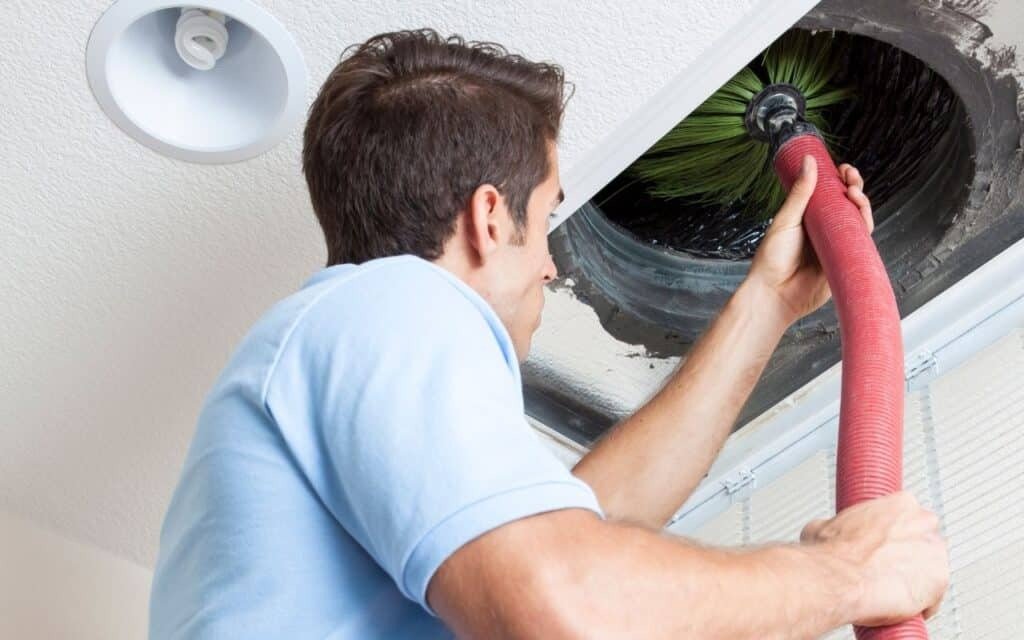
A professional duct cleaning process generally begins with an inspection to determine the condition of the air distribution system and identify areas requiring attention. Technicians may examine accessible supply and return ducts, registers, grilles, filters, and other related components. When air duct cleaning is appropriate, specialized equipment can be used to loosen and collect accumulated debris while minimizing the chance of spreading particles throughout occupied areas. The specific tools and techniques depend on duct construction, accessibility, contamination levels, and the HVAC system’s design. Professional cleaning should be performed carefully to avoid damaging flexible ducts, insulation, seals, or other sensitive components. Technicians should also protect surrounding areas and ensure that debris removed from the system is properly contained. A thorough process focuses on the areas that actually require cleaning rather than performing unnecessary work on components that are already in good condition. After service, the system should be returned to normal operating condition and any identified maintenance concerns should be communicated to the property owner.
Addressing Moisture and Contamination
Moisture inside or around ductwork can create conditions that require more attention than ordinary dust accumulation. Condensation, plumbing leaks, excessive humidity, or drainage problems can introduce moisture into areas that should normally remain dry. If duct insulation becomes wet or contaminated, simply removing surface debris may not solve the underlying problem. Professional air duct cleaning can be useful for removing certain types of accumulated contamination, but moisture sources must also be identified and corrected. Otherwise, the problem may return after cleaning. Property owners should investigate unexplained dampness, persistent musty odors, visible water damage, or recurring moisture around HVAC components. A professional assessment can determine whether the issue involves ductwork, condensate drainage, insulation, humidity control, or another building condition. Addressing the source of moisture is essential for long-term results. Cleaning should be viewed as one part of a broader corrective strategy when contamination is connected to water-related problems.
Protecting HVAC Components
Ductwork is connected to important HVAC equipment, and debris that enters the system can eventually affect other components depending on filtration and operating conditions. Excessive dust can accumulate on blower assemblies, coils, registers, and other accessible surfaces, potentially affecting airflow or heat transfer. Maintaining filters and keeping HVAC equipment clean can reduce the amount of material circulating through the system. Professional air duct cleaning may be appropriate when significant debris has accumulated and is contributing to overall system contamination. However, cleaning ducts should not replace routine HVAC maintenance. Coils, blower components, drainage systems, electrical parts, and other equipment still require appropriate inspection and service. A comprehensive maintenance strategy protects the entire system rather than focusing on only one component. When duct cleaning is performed as part of a broader HVAC maintenance plan, technicians may be better positioned to identify related problems and recommend practical improvements that support long-term performance.
When Professional Cleaning May Be Especially Useful
Certain circumstances can increase the likelihood that duct cleaning will provide meaningful benefits. Recent construction or renovation can introduce large amounts of dust and debris into an HVAC system if equipment and duct openings were not adequately protected. Significant pest contamination, visible debris, water-related contamination, or heavy buildup may also justify professional evaluation. Property owners who have purchased or inherited a property with an unknown HVAC maintenance history may consider having the system inspected to establish its current condition. Professional air duct cleaning can be appropriate when inspection confirms substantial contamination that should be removed. However, cleaning should not be treated as a routine requirement simply because a system has reached a particular age. The actual condition of the ducts is more important than an arbitrary calendar schedule. A professional assessment allows property owners to determine whether cleaning is necessary, beneficial, or unnecessary for their specific system.
Preventing Future Duct Contamination
Once ductwork has been properly cleaned, prevention becomes an important part of maintaining the results. Regular filter replacement is one of the most effective measures because it reduces the amount of airborne material entering the system. Property owners should also address leaks, moisture problems, damaged duct connections, and construction debris promptly. Keeping return grilles and supply registers clean can further reduce the amount of loose material circulating through the air distribution system. Professional air duct cleaning should not be viewed as a substitute for these ongoing maintenance practices. If the underlying source of contamination remains unresolved, debris can accumulate again over time. Maintaining appropriate indoor humidity, controlling dust sources, and ensuring that HVAC equipment receives routine maintenance can also support cleaner ductwork. Preventive care is generally more effective than relying solely on periodic deep cleaning. A combination of good filtration, proper HVAC maintenance, moisture control, and appropriate housekeeping can help maintain a cleaner and more efficient air distribution system.
Choosing a Qualified Service Provider
The quality of duct cleaning depends significantly on the methods, equipment, and care used during the service. Property owners should look for professionals who provide clear explanations of the work, inspect the system before recommending cleaning, and avoid exaggerated promises about guaranteed health or energy benefits. A reputable provider should be willing to explain which portions of the ductwork require attention and what cleaning methods will be used. Professional air duct cleaning should be performed with equipment appropriate for the duct material and system design. Technicians should also take steps to protect indoor areas from displaced dust and debris during the process. Before authorizing service, property owners can ask about the scope of work, expected results, maintenance recommendations, and any conditions discovered during inspection. Transparent communication helps ensure that the service addresses genuine needs rather than unnecessary treatments. Selecting experienced professionals can also reduce the risk of damage to ductwork, insulation, seals, or connected HVAC components.
Final Thoughts
Ductwork is an important part of a heating and cooling system, and its condition can influence airflow, indoor cleanliness, and overall HVAC performance. Dust and debris can accumulate over time, but the need for professional cleaning should be determined by the actual condition of the system rather than by assumptions or arbitrary schedules. Proper air duct cleaning can be beneficial when substantial contamination, debris, moisture-related problems, or other confirmed conditions affect accessible portions of the duct system. At the same time, regular filter maintenance, HVAC inspections, moisture control, duct sealing, and good housekeeping remain essential for preventing future problems. Property owners should pay attention to visible contamination, unusual odors, unexplained moisture, reduced airflow, and other changes that may indicate a need for professional evaluation. Choosing qualified technicians and focusing on the complete HVAC system can produce better long-term results than treating duct cleaning as an isolated service. With appropriate inspection, maintenance, and corrective action, a well-maintained air distribution system can support reliable airflow, efficient heating and cooling, cleaner indoor spaces, and dependable HVAC performance for years to come.