There’s nothing quite like the moment the lights flicker, the power dies, and you realize your backup generator isn’t kicking in the way it should. Whether it’s a hurricane bearing down on the Gulf Coast or a routine winter storm knocking out the grid, a generator that won’t start is more than an inconvenience — it’s a genuine safety concern for your family, your food supply, and your home’s critical systems.
Generators are mechanical workhorses, and like any machine with moving parts, fuel lines, and electrical components, they need attention from time to time. The good news? Most generator problems are fixable, and many are preventable with the right maintenance routine. The key is knowing when to call in a professional rather than trying to troubleshoot a complex electrical system on your own.
In this post, we’ll walk through the most common reasons generators fail, what warning signs to watch for, and how a trusted local team can help you get your backup power restored quickly and safely.
Why Does My Generator Keep Failing to Start?
A generator that refuses to turn over is one of the most frequent complaints homeowners bring to electricians. There are a handful of usual suspects behind this problem:
- Dead or weak battery: Generators rely on a battery to start the engine, just like a car. If it’s been sitting unused, the battery can lose its charge.
- Stale fuel: Fuel that sits in the tank for months can degrade, clogging fuel lines and injectors.
- Dirty air filters: A clogged filter restricts airflow, making it difficult for the engine to run efficiently.
- Faulty spark plugs: Worn spark plugs can prevent the engine from igniting properly.
- Low oil levels: Many generators have a low-oil shutoff feature that prevents startup if oil levels dip too low.
Each of these issues has a straightforward fix, but diagnosing the exact cause often requires a trained eye. Attempting a DIY repair without the right tools or knowledge can sometimes make the problem worse, or create a safety hazard involving fuel and electrical components.
How Often Should a Generator Be Serviced?
Routine maintenance is the single best way to avoid generator breakdowns when you need backup power the most. Most manufacturers recommend a full service at least once a year, with additional checks before major storm seasons.
A typical maintenance visit should include:
- Testing the battery and charging system
- Changing the oil and oil filter
- Replacing or cleaning air and fuel filters
- Inspecting spark plugs
- Running a load test to confirm the unit performs under real demand
- Checking the automatic transfer switch for proper function
Homeowners who skip annual servicing often discover problems at the worst possible time, usually in the middle of a power outage when the generator is needed most. A proactive maintenance schedule catches small issues before they become expensive repairs.
What Are the Warning Signs That My Generator Needs Professional Attention?
Not every generator issue announces itself with a total failure to start. Some problems develop gradually, giving you time to catch them if you know what to look for.
Pay attention to:
- Unusual noises: Knocking, grinding, or excessive rattling during operation.
- Smoke or strange odors: Especially a burning smell, which could indicate an electrical or overheating issue.
- Frequent shutdowns: If the unit starts but shuts off shortly after, this often points to a sensor or fuel delivery problem.
- Inconsistent power output: Flickering lights or appliances that struggle to run properly can signal voltage irregularities.
- Visible fuel or oil leaks: Any leaking fluid should be inspected immediately, as it can pose a fire risk.
If you notice any of these signs, it’s best to schedule a repair appointment before the problem escalates. Waiting too long can turn a minor fix into a major, costly overhaul.
Can I Repair My Generator Myself, or Should I Call a Professional?
It’s tempting to search for a quick fix online and tackle generator repairs yourself, especially for something that seems simple like a dead battery. But generators combine fuel systems, combustion engines, and high-voltage electrical output, which makes them a poor candidate for guesswork.
A licensed electrician brings several advantages to the table:
- Specialized diagnostic equipment to pinpoint the exact source of a malfunction
- Safety training to handle fuel and electrical components without risk of injury
- Manufacturer knowledge across different generator brands and models
- Access to genuine replacement parts, which helps extend the lifespan of your unit
For anything beyond basic cleaning or battery replacement, professional service protects both your investment and your household’s safety.
Trust Boudreaux’s Electrical Services for Reliable Generator Repairs
Restoring dependable backup power to your home shouldn’t mean waiting days for an appointment or wondering if the job was done right. Boudreaux’s Electrical Services has built a reputation across the community for responsive, thorough generator repairs that get your system back online quickly, without cutting corners.
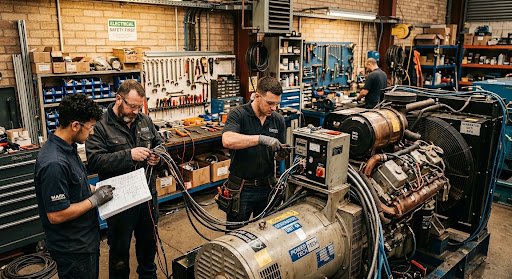
Our technicians are trained to work across a wide range of generator makes and models, from whole-home standby units to portable backup systems. We start every repair call with a complete diagnostic to identify the root cause of the issue, not just a quick patch that leaves you vulnerable to the same problem down the road. From battery and fuel system troubleshooting to transfer switch repairs and full engine servicing, our team handles the work with the same care we’d want for our own homes.
We know that generator trouble rarely happens at a convenient time. That’s why our scheduling is built around getting you seen fast, especially during peak storm seasons when backup power matters most. We also offer maintenance plans designed to catch small issues early, so you’re far less likely to face an emergency repair in the first place.
If your generator has been acting up, or it’s simply been a while since its last tune-up, now is the time to act. Reach out to our team to schedule a service appointment, and let us help you get back to the peace of mind that comes with reliable, ready-to-go backup power.
Frequently Asked Questions
How much does a generator repair typically cost?
Costs vary depending on the issue, ranging from a simple battery replacement to more involved engine or transfer switch repairs. A technician can provide an accurate estimate after diagnosing the specific problem.
How long does a generator repair usually take?
Many common repairs, like battery or filter replacements, can be completed in a single visit. More complex issues involving the engine or electrical system may require additional time or parts ordering.
What’s the lifespan of a typical home backup generator?
With regular maintenance, most residential generators last between 10 and 20 years, though this depends heavily on usage frequency and how well the unit is cared for.
Should I service my generator even if it seems to be working fine?
Yes. Annual maintenance catches wear and tear before it causes a failure, which is especially important for a system you’re counting on during emergencies.