There are some medical careers remembered for groundbreaking procedures, others for academic achievements, and still others for the number of people they quietly help. Martin Hirigoyen Kelly’s life brought all three together. Born Martin Hirigoyen in London in 1965, he became one of Britain’s most respected craniofacial plastic surgeons, developing a reputation for technical excellence in facial reconstruction and aesthetic surgery. Yet the public image of him as a celebrated cosmetic surgeon told only part of the story. Behind that reputation was a doctor deeply committed to reconstructive medicine, NHS patients, medical research and children living with severe facial deformities in countries where specialist treatment was often unavailable.
Kelly’s professional journey was remarkable partly because of its breadth. His education took him from Paris to Winchester College and then to St Bartholomew’s Hospital Medical School in London. Advanced training in microsurgery and craniofacial reconstruction took him to New York, where he undertook a two-year fellowship at Mount Sinai Hospital and developed research that eventually earned him a doctorate in medicine. He later became a consultant craniofacial plastic surgeon at Chelsea and Westminster Hospital and also worked at the Royal Marsden Hospital, combining complex reconstructive surgery with an increasingly successful aesthetic practice.
What makes Martin Hirigoyen Kelly’s story especially compelling, however, is what he did with his expertise. His experiences on overseas medical missions helped inspire the creation of Facing the World, a charity he established with fellow surgeon Norman Waterhouse to provide life-changing treatment to children with severe facial differences. Kelly died suddenly in London on May 20, 2008, aged 43, at a point when his surgical career was still developing and his humanitarian ambitions were expanding. More than a professional obituary, his story is therefore a reflection on medicine, compassion, family, ambition and the enduring power of work created for the benefit of others.
Martin Hirigoyen Kelly: Quick Facts
| Category | Details |
|---|---|
| Full name | Martin Bernard Hirigoyen Kelly |
| Birth name | Martin Bernard Hirigoyen |
| Born | May 7, 1965 |
| Birthplace | London, England |
| Died | May 20, 2008 |
| Age at death | 43 |
| Profession | Craniofacial plastic surgeon |
| Specialisms | Craniofacial reconstruction, reconstructive surgery, aesthetic surgery, microsurgery |
| Father | Bernard Hirigoyen |
| Mother | Diane Kelly |
| Siblings | Four sisters |
| Education | Winchester College; St Bartholomew’s Hospital Medical School |
| Medical qualification | Graduated in 1989 |
| FRCS | 1993 |
| Advanced training | Mount Sinai Hospital, New York |
| Major London appointments | Chelsea and Westminster Hospital; Royal Marsden Hospital |
| Humanitarian organisation | Facing the World |
| Wife | Actress Natascha McElhone |
| Children | Theodore, Otis and Rex |
| Net worth | No reliable publicly documented figure |
| No verified personal account identified | |
| Twitter/X | No verified personal account identified |
| No verified personal account identified |
Early Life, Family Background and the Origins of His Ambition
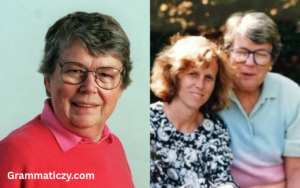
Martin Bernard Hirigoyen was born in London on May 7, 1965, into a family with a distinctly international background. His father, Bernard Hirigoyen, was a French industrialist from a Basque background, while his mother, Diane Kelly, came from an Irish family. Martin spent part of his childhood in France, giving him exposure to different cultures and languages before his parents separated. His mother subsequently brought Martin and his four sisters to London, where he continued his education and eventually began the journey that would lead him into medicine.
His family circumstances appear to have given him a cosmopolitan outlook that later became visible throughout his professional life. Martin would eventually train and work in Britain, undertake advanced specialist training in the United States and participate in humanitarian missions overseas. His career was consequently never limited to one institution or one medical culture. The combination of European upbringing, British medical education and international surgical experience helped create the broad perspective that became one of the defining features of his professional identity.
Before becoming a surgeon, Martin also experienced an entirely different world. His striking appearance led to modelling work while he was a medical student, and that work helped finance his studies. Contemporary accounts have repeatedly noted the contrast between his early modelling career and his later life in medicine. Rather than remaining associated with fashion and appearance, however, Martin used his talents and education to enter a profession where appearance was considered alongside anatomy, function and the restoration of people’s quality of life.
Education and the Decision to Become a Surgeon
Martin attended school in Paris before studying at Winchester College in England. He subsequently entered St Bartholomew’s Hospital Medical School in London, one of the country’s historic medical institutions. He graduated in 1989, but his interest in plastic surgery had developed much earlier. According to colleagues who later wrote about him, Martin was already expressing his intention to pursue plastic surgery while he was still a medical student.
After medical school, Martin undertook basic surgical training in Oxford and London before progressing toward specialist plastic surgery. He became a Fellow of the Royal College of Surgeons of England in 1993, marking an important stage in his development as a surgeon. His ambitions, however, extended beyond conventional plastic surgery. He increasingly focused on craniofacial reconstruction, a highly specialised area involving complex procedures affecting the face and skull and requiring a particularly demanding combination of surgical precision and anatomical understanding.
His commitment to advanced training eventually took him across the Atlantic. At Mount Sinai Hospital in New York, he completed a two-year travelling fellowship concentrating on microsurgery and craniofacial reconstruction. The experience also supported his academic research, leading to a doctoral thesis and a Doctor of Medicine degree from London University in 1997. This period helped establish the scientific and technical foundations for the distinguished surgical career that followed.
Building a Reputation in Craniofacial Plastic Surgery
Martin’s career accelerated during his specialist training in London, where he worked with Norman Waterhouse in the Craniofacial Unit at Chelsea and Westminster Hospital. The two surgeons developed a strong professional relationship and personal friendship. Their collaboration eventually became one of the most important partnerships in Martin’s career because it combined advanced surgical practice with an ambition to address the enormous inequalities in access to reconstructive medicine around the world.
In 2001, Martin became a consultant craniofacial plastic surgeon at Chelsea and Westminster Hospital. He also worked at the Royal Marsden Hospital, where reconstructive surgery could play an important role for patients who had undergone major treatment for cancer. His expertise extended beyond a single procedure or patient group. He worked across reconstructive and aesthetic surgery and became known for the ability to combine functional reconstruction with careful attention to facial appearance.
The media sometimes concentrated on his reputation for aesthetic surgery, with Martin even being described as the “king of rhinoplasty.” That label, while reflecting his skill and high-profile clientele, risked obscuring the broader importance of his work. His colleagues emphasised his NHS responsibilities, reconstructive procedures, research interests and humanitarian work. His professional philosophy appears to have treated aesthetic and reconstructive surgery as disciplines that could benefit from the same commitment to precision, continuous learning and careful attention to the individual patient.
The Humanitarian Journey That Changed His Career
One of the most important turning points in Martin Kelly’s professional life came through overseas medical work. While working in Taliban-controlled Afghanistan, he encountered extremely difficult surgical conditions, including an operating theatre with a shell hole in the wall. During that mission he met a four-year-old Afghan girl named Hadisa who had a devastating congenital facial deformity. The experience showed Martin and Norman Waterhouse the enormous gap between the sophisticated reconstructive surgery available in Britain and the limited options facing children in poorer countries.
The experience did not end when Martin returned to Britain. Instead, it became part of the thinking that led him and Waterhouse to establish Facing the World. Their goal was to provide specialist reconstructive treatment to children who otherwise had little realistic prospect of receiving it. The organisation initially brought children from developing countries to Britain for treatment, creating a bridge between specialist surgeons and patients whose local healthcare systems could not provide the necessary expertise.
The humanitarian mission became an important counterpoint to Martin’s private surgical practice. He had access to a successful aesthetic surgery career, but he also believed that specialist knowledge should be used for people who could never afford or obtain it themselves. By the time of his death, Facing the World had already helped more than 30 children from different parts of the world. Its continuing development after his death would eventually focus heavily on training local doctors and strengthening healthcare capacity, making the original vision more sustainable.
Facing the World and His Lasting Humanitarian Legacy
Facing the World became one of Martin Kelly’s most enduring achievements. The charity was founded in 2002 by Martin and Norman Waterhouse and initially centred on bringing children with severe facial deformities to the United Kingdom for complex treatment. Over time, its work evolved toward international medical training, particularly in Vietnam, where the organisation has supported doctors, medical missions and specialist craniofacial services.
This evolution is significant because it reflects an important principle in humanitarian medicine. Treating an individual patient can transform one life, but teaching local medical professionals can potentially transform hundreds or thousands of lives over many years. Facing the World’s later emphasis on training Vietnamese doctors, providing equipment and supporting local surgical capability therefore represents an extension of the philosophy that Martin helped establish rather than a departure from it.
Martin’s involvement with Facing the World also demonstrates why his legacy cannot be reduced to cosmetic surgery. His technical abilities gave him professional recognition, but his humanitarian work gave those abilities a wider purpose. He was not simply interested in what surgery could achieve in a sophisticated London hospital; he was interested in what could happen when the same knowledge reached children who had been excluded from the benefits of modern reconstructive medicine. That vision remains one of the strongest reasons his name continues to be associated with craniofacial humanitarian work.
His Research, Teaching and Role in Surgical Innovation
Martin was not content simply to perform operations. His interest in knowledge and research became another important part of his career. He supervised research projects and supported undergraduate and PhD students, helping younger doctors develop their own understanding of surgery and medical science. Colleagues remembered his analytical approach and his willingness to give students time even after demanding days in the operating theatre.
His work also placed him close to some of the most advanced developments in reconstructive surgery. Martin was involved in planning surrounding the UK’s first facial transplantation programme, an area that represented one of the most challenging frontiers in reconstructive medicine. Facial transplantation requires extensive collaboration across surgery, immunology, transplantation medicine and rehabilitation, and his involvement reflected the level of professional respect he had achieved.
The combination of research, teaching and surgery made Martin’s career broader than that of a conventional private practitioner. He was simultaneously developing his own surgical abilities, helping train future specialists and contributing to the wider development of craniofacial medicine. That intellectual curiosity was reportedly one of his defining personal qualities. He continued to ask questions, explore possibilities and refine techniques rather than treating professional success as a reason to stop learning.
Marriage to Natascha McElhone and Family Life
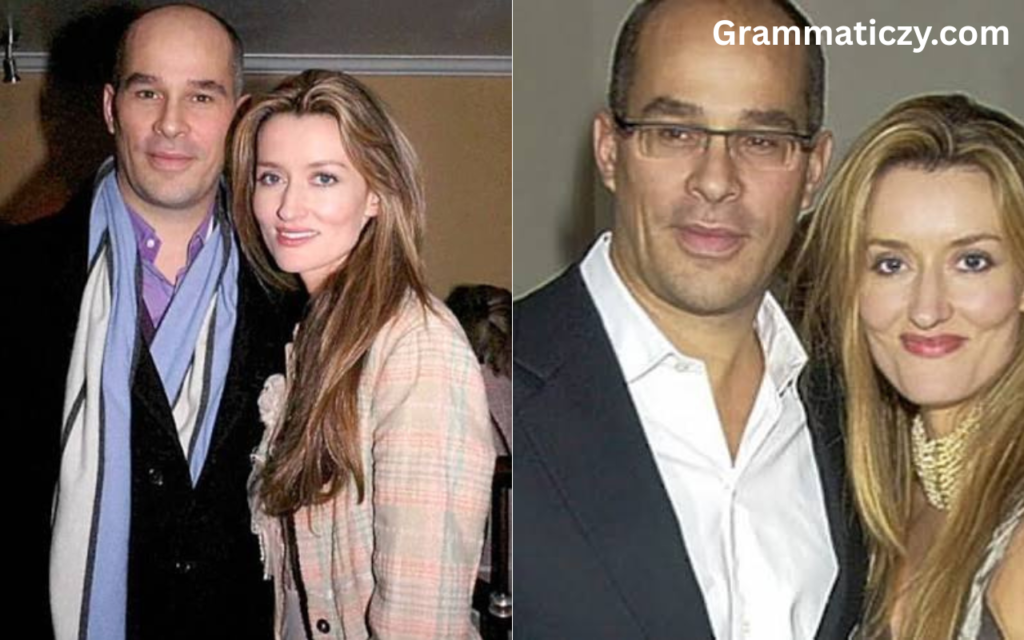
Martin Kelly’s personal life attracted considerable public attention because of his marriage to British actress Natascha McElhone. The couple married in 1998 after knowing each other for years, and contemporary accounts described their relationship as exceptionally close. They had two sons, Theodore and Otis, while McElhone was pregnant with their third child when Martin died.
Family was an important part of Martin’s life away from the operating theatre. He enjoyed tennis, horse riding and skiing, and accounts from colleagues suggest that these activities were particularly meaningful because they allowed him to spend time with his children. His interests were not limited to medicine or professional achievement. He was described as someone who embraced many different sides of life and encouraged his children to participate in the activities he loved.
The sudden loss of Martin created an extraordinary tragedy for the family. Natascha was working in Los Angeles when he died and was pregnant with their third son, Rex. Their baby was born later in 2008, meaning Rex grew up without the opportunity to know his father personally. In later interviews, McElhone spoke openly about grief, family and the continuing emotional presence of Martin in their lives, including through writing and memories of their relationship.
Martin Kelly’s Personality, Hobbies and Life Outside Medicine
Despite the seriousness of his profession, Martin was remembered as an energetic and creative person. His interests included painting, writing music and playing instruments. He played drums and bass guitar and was even part of a band made up of plastic surgeons called “Tuck That.” The group performed publicly, demonstrating that his personality extended far beyond the conventional image of a highly disciplined medical professional.
Colleagues also remembered his sense of humour. According to accounts published after his death, he could remain cheerful and witty even after extremely long operations. His dry humour, calm manner and reassuring presence helped patients and colleagues feel comfortable around him. In a profession where fear and anxiety can be intense, that ability to combine technical seriousness with warmth was a valuable part of his character.
Martin’s personality also appears to have been shaped by intense curiosity. Those who knew him described him as a perfectionist who wanted to understand things thoroughly and constantly improve his work. That trait could be demanding, but it was also connected to his professional excellence. Whether he was reconstructing a face, teaching a student, painting, playing music or spending time with his sons, he approached life with an unusual level of enthusiasm and attention.
Martin Hirigoyen Kelly’s Net Worth and Sources of Income
There is no dependable public record that establishes Martin Hirigoyen Kelly’s exact net worth at the time of his death. Various websites may publish specific figures under searches such as “Martin Hirigoyen Kelly net worth,” but these estimates generally lack the financial documentation required to treat them as reliable. A responsible biography should therefore avoid assigning him a precise fortune simply because an online source happens to provide one.
What can be established is that Martin had a successful medical career. His income would have come primarily through his work as a consultant plastic and craniofacial surgeon, together with his aesthetic surgery practice. He was associated with London Plastic Surgery Associates and had established himself as a sought-after surgeon, including among high-profile clients. Companies House records also confirm that he served as a director of My Aesthetics Limited and Facing the World before his death.
It is equally important not to confuse professional income with humanitarian activity. Facing the World represented a charitable commitment rather than simply another commercial enterprise. Martin’s willingness to devote time and expertise to children with severe facial deformities illustrates that his professional success was accompanied by a strong commitment to giving back. His financial legacy is difficult to quantify, but his professional and humanitarian legacy is much easier to see through the institutions and patients connected to his work.
Social Media and Public Presence
Martin Kelly belonged to a generation of public figures whose careers developed before Instagram, Facebook and modern influencer culture became dominant. He died in 2008, meaning that there is no meaningful contemporary social-media record comparable to that of today’s celebrity doctors. Searches for personal Instagram, X/Twitter or LinkedIn profiles should therefore be approached carefully because unofficial accounts or unrelated individuals can easily be mistaken for the surgeon.
His public profile instead survives through newspaper archives, medical obituaries, professional records, photographs and the charity he co-founded. His story was documented by publications including The Independent and The Guardian, while official UK company records preserve details about his directorships. These sources provide a much more reliable picture of his professional identity than an unverified social-media profile would.
In that sense, Martin’s legacy is unusually independent of online popularity. He did not need millions of followers to become influential. His reputation was built through surgical skill, patient outcomes, research, professional relationships and humanitarian work. Today, the absence of verified personal social accounts does not diminish his influence; if anything, it highlights how profoundly a professional legacy can exist beyond the internet.
His Sudden Death at the Age of 43
Martin Kelly died suddenly on May 20, 2008, in London. He was only 43 and was still working as a consultant surgeon at Chelsea and Westminster Hospital and the Royal Marsden Hospital. Contemporary reports said he collapsed at his west London home and was taken to Chelsea and Westminster Hospital, where attempts to revive him were unsuccessful. Later accounts described his death as resulting from a heart condition.
The timing made the tragedy even more devastating. Martin had been married to Natascha McElhone for almost ten years, and she was in Los Angeles for work while pregnant with their third child. His death therefore came at a moment when the family appeared to be preparing for another chapter of their lives. Instead, Natascha was suddenly forced to face motherhood and bereavement at the same time.
Professionally, his death was also considered a major loss. Colleagues believed he was at the height of his abilities and had the potential to become an even more influential figure in craniofacial surgery. His work on reconstructive procedures, research, teaching and humanitarian medicine was still developing. The sudden end of his career meant that many of the projects he might have pursued had to continue without him, carried forward by colleagues and organisations he had helped establish.
What Martin Kelly Left Behind
One of the clearest ways to understand Martin’s influence is through the people he treated and the professionals he inspired. His reconstructive work helped patients facing congenital deformities, injuries and the consequences of cancer treatment. His aesthetic surgery established another dimension to his reputation, but colleagues consistently emphasised that his NHS and humanitarian work deserved equal or greater attention.
The story of Facing the World is perhaps the clearest evidence that his influence survived his death. The organisation that Martin helped create has continued developing its international work, moving from a model centred primarily on bringing children to Britain toward a model that also strengthens specialist medical capacity overseas. This kind of evolution allows the original humanitarian idea to reach considerably further than any individual surgeon could have managed alone.
His family has also preserved a personal dimension to his legacy. Natascha McElhone has spoken and written about Martin years after his death, describing the continuing emotional importance of their relationship and the challenge of raising their sons without him. Her reflections demonstrate that Martin’s legacy is not confined to operating theatres or charitable organisations. It also exists within a family that continues to remember the person behind the professional reputation.
The Continuing Importance of His Humanitarian Vision
The philosophy behind Martin’s humanitarian work remains particularly relevant in modern healthcare. Complex reconstructive surgery can dramatically change a person’s physical function, appearance, confidence and social experience. Yet access to such treatment remains uneven across the world. Children born with severe facial differences can face not only medical challenges but also stigma, exclusion and limited educational and social opportunities.
Martin’s response was not to view these inequalities as someone else’s problem. His experiences overseas convinced him that specialist surgeons had an obligation to contribute their skills. Facing the World became a practical expression of that belief, creating connections between medical professionals in developed healthcare systems and patients and doctors in countries where specialist craniofacial expertise was scarce.
The organisation’s continuing work demonstrates why his vision was larger than a single surgical mission. By supporting medical education, specialist training and international collaboration, the model can help build local expertise that remains after visiting surgeons leave. That is perhaps the most powerful interpretation of Martin’s legacy: he did not simply want to perform operations; he wanted knowledge, opportunity and medical capability to spread.
Martin Hirigoyen Kelly’s Legacy in Perspective
Martin Hirigoyen Kelly’s life was short, but it was remarkably concentrated with achievement. He moved from a multicultural childhood and medical education in London to advanced surgical training in New York and a consultant career at major London hospitals. He became recognised for craniofacial reconstruction, developed a successful aesthetic surgery practice, contributed to research and became involved in planning for facial transplantation. Yet the most memorable aspect of his career may ultimately be his decision to use his expertise for patients who were least able to access it.
His story also demonstrates that professional excellence does not have to come at the expense of humanity. Martin was remembered as technically gifted, intellectually curious and demanding of himself, but also as funny, warm and deeply devoted to his family. His artistic interests, love of sport and enthusiasm for life reveal a person who resisted being defined by a single profession. Medicine was central to his identity, but it was only one part of a much larger personality.
Perhaps the strongest lesson from Martin Kelly’s journey is that influence is not determined solely by fame, wealth or longevity. He died before reaching the age of 44, yet his ideas continued through colleagues, patients, students, his family and Facing the World. His life demonstrates how expertise can become a form of service and how compassion can transform professional achievement into a lasting legacy.
Conclusion
Martin Hirigoyen Kelly was much more than the celebrated plastic surgeon sometimes portrayed in newspaper headlines. He was a pioneering craniofacial specialist, researcher, teacher, husband, father, musician, artist and humanitarian. His career reached from prestigious London hospitals to difficult overseas medical missions, and his professional interests ranged from complex facial reconstruction to aesthetic surgery and the emerging possibilities of facial transplantation.
His sudden death in 2008 brought an extraordinarily promising career to an early end, but it did not erase the work he had already accomplished. The patients he treated, the students he mentored, the colleagues he influenced and the humanitarian organisation he helped establish all became part of the continuing story. Facing the World, in particular, represents a living expression of his belief that medical expertise should reach people regardless of where they were born or what resources they possessed.
Ultimately, Martin Hirigoyen Kelly’s legacy is not best measured by an estimated net worth, celebrity connections or the number of newspaper articles written about him. It is measured by lives changed through medicine and by the compassion built into the work he left behind. His journey is a reminder that talent becomes truly meaningful when it is combined with purpose. As his story continues to be remembered, Martin Kelly stands as an example of how perseverance, curiosity, generosity and a commitment to helping others can turn a relatively short life into a legacy that continues long after the person himself is gone.