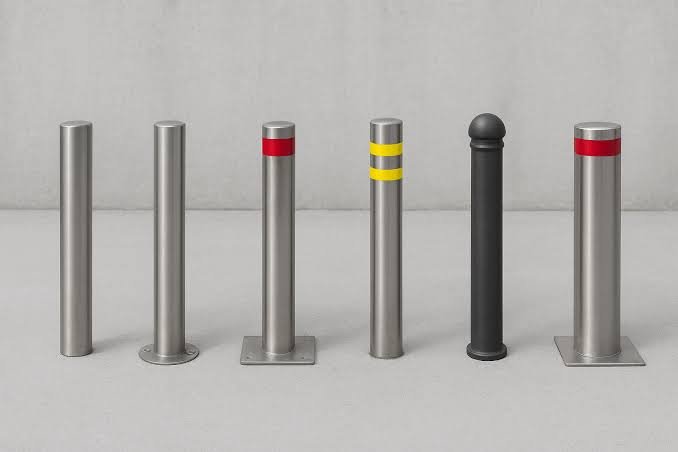
Protecting people, property, and valuable assets requires practical safety measures that address the risks associated with vehicle movement and unauthorized access. Whether managing a commercial building, operating an industrial facility, or maintaining a residential property, choosing suitable protective equipment can help create a safer environment. Bollards are widely used to establish physical boundaries, guide traffic, and help protect vulnerable areas. With different designs available for different applications, 1-800-Bollards offers options for property owners looking to improve safety and security.
Understanding How Bollards Improve Safety
Bollards are vertical posts installed in strategic locations to manage vehicle access and create separation between vehicles and pedestrians. Depending on their construction, they may provide visual guidance, restrict entry, or offer resistance against vehicle impacts.
These products are commonly used around storefronts, office buildings, parking facilities, warehouses, hospitals, schools, and residential entrances. Their purpose is to address specific safety concerns while supporting the normal operation of a property.
High-quality bollards can provide several benefits:
- Pedestrian protection: Help establish boundaries between walking areas and vehicle routes.
- Property security: Create barriers around vulnerable entrances, building corners, and exposed equipment.
- Traffic management: Guide vehicles toward designated routes and parking spaces.
- Access control: Help restrict unauthorized vehicles from entering specific areas.
- Asset protection: Help shield selected infrastructure and equipment from accidental vehicle contact.
- Improved organization: Clearly define restricted areas, walkways, and vehicle-accessible spaces.
The actual protection provided depends on the bollards type, installation method, and intended application. Selecting the right product is essential for achieving the desired results.
Exploring Different Bollard Options
Every property has unique requirements, so choosing the right type of bollard is an important step in developing an effective protection plan.
1. Fixed Bollards
Fixed bollards are permanently installed in the ground and provide a consistent physical boundary. They are suitable for locations where vehicle access needs to remain restricted.
Common applications include:
- Commercial building entrances
- Storefronts and sidewalks
- Parking facilities
- Industrial equipment areas
- Pedestrian walkways
Depending on their engineering and installation, fixed bollards can serve as basic traffic-control barriers or provide tested vehicle-impact protection.
2. Removable Bollards
Removable bollards can be taken out when authorized vehicle access is required and reinstalled afterward. They provide flexibility for properties that occasionally need to open restricted areas.
These bollards may be useful for:
- Service entrances
- Private driveways
- Shared-use spaces
- Delivery zones
- Maintenance access points
When choosing removable models, property owners should consider the locking mechanism, ease of removal, and required level of security.
3. Retractable Bollards
Retractable bollards can be lowered to allow vehicle movement and raised when access needs to be restricted. Depending on the model, they may operate manually or automatically.
Potential applications include:
- Controlled commercial entrances
- Private parking areas
- Business premises with changing access requirements
- Restricted vehicle-access zones
- Selected institutional properties
These systems can help manage entry efficiently, although buyers should consider their installation costs, operating requirements, and maintenance needs.
4. Decorative Bollards
Decorative bollard combine practical boundary marking with an attractive appearance. They are often used where property owners want to maintain a consistent architectural style.
Popular applications include:
- Hotels and resorts
- Restaurants and shopping centers
- Residential landscapes
- Office complexes
- Parks and landscaped pathways
Decorative bollards can improve the organization and appearance of a property. However, they should not be assumed to provide vehicle-impact resistance unless the manufacturer’s specifications confirm that capability.
5. Security Bollards
Security bollards are designed for locations where stronger physical protection may be necessary. Depending on their tested performance and installation, they can help protect vulnerable buildings, entrances, and sensitive areas against vehicle intrusion.
Before selecting these products, property owners should review impact ratings, applicable certifications, foundation requirements, and installation specifications.
Choosing the Right Protection Products for Your Property
Selecting suitable bollards begins with identifying the risks associated with the property. A small retail store may need pedestrian barriers, while an industrial facility may require products designed to protect machinery and withstand demanding conditions.
Consider these important factors before purchasing:
- Protection requirements: Determine whether you need traffic guidance, access control, pedestrian separation, or vehicle-impact protection.
- Location: Consider whether the bollards will be installed indoors, outdoors, near entrances, or around parking facilities.
- Material quality: Evaluate suitable materials, including steel and stainless steel, according to the intended application.
- Weather resistance: Outdoor products should be appropriate for local environmental conditions.
- Visibility: Choose designs that drivers and pedestrians can recognize easily.
- Installation needs: Assess foundation requirements, ground conditions, available space, and underground utilities.
- Maintenance: Review the manufacturer’s inspection and upkeep recommendations.
- Budget: Consider the purchase price alongside installation, maintenance, and long-term operating costs.
Evaluating these factors helps property owners compare products and make decisions that align with their safety priorities.
How 1-800-Bollards Helps Address Different Security Needs
Different properties face different challenges, which means a suitable protection solution should reflect the intended application. Businesses may need to protect entrances and parking areas, while homeowners may want to establish boundaries around private driveways.
1-800-Bollards offers bollard options for different protection needs, providing property owners with a starting point for exploring suitable products.
When evaluating available options, customers should consider the following steps:
- Identify the people, structures, and assets that require protection.
- Determine the type of bollard that best suits the location.
- Compare product dimensions, materials, and specifications.
- Confirm whether the product provides the required level of impact resistance.
- Review installation requirements and potential maintenance needs.
- Consider how the bollards will affect pedestrian movement and authorized vehicle access.
This process can help customers narrow their choices and select products appropriate for their property’s requirements.
Improving Safety Around Commercial Buildings
Commercial properties often experience frequent vehicle movement, customer traffic, deliveries, and employee activity. Managing these interactions is essential for maintaining an organized and safe environment.
Bollards can help separate pedestrians from vehicle routes, establish boundaries around entrances, and protect exposed infrastructure.
For example, a retail business may install bollards near its storefront to create separation between customers and nearby parking spaces. An office building may use them around pedestrian entrances or vulnerable exterior features.
Commercial property managers should evaluate vehicle movements, pedestrian routes, and access requirements before deciding where bollards should be installed.
Proper placement can help improve site organization without unnecessarily interfering with everyday business activities.
Protecting Residential and Industrial Properties
Bollards can also support safety measures in residential and industrial environments, although the requirements may differ significantly.
Residential Applications
Homeowners may consider bollards for:
- Driveway and garage protection
- Private entrance access control
- Boundaries around landscaped areas
- Separation between pedestrians and vehicles
- Protection of selected exterior features
Decorative products may suit residential landscapes, while more robust models may be appropriate where stronger physical protection is required.
Industrial Applications
Industrial facilities may use bollards to help protect:
- Machinery and production equipment
- Warehouse storage areas
- Loading docks
- Utility installations
- Employee pedestrian routes
- Vulnerable building structures
Industrial bollards should be selected according to the vehicles operating on-site, expected impact risks, and environmental conditions.
In both settings, proper installation and appropriate product selection are essential for achieving the intended function.
Common Mistakes to Avoid When Choosing Bollards
Choosing an unsuitable product or installing it incorrectly can reduce the effectiveness of a protection plan. Property owners should avoid several common mistakes.
Ignoring the intended purpose: A bollard designed for visual guidance may not provide sufficient protection against vehicle impacts.
Selecting products based only on appearance: Attractive finishes are useful, but construction and performance specifications are more important when security is the priority.
Overlooking site conditions: Ground conditions, underground utilities, weather exposure, and available space can influence installation decisions.
Choosing inappropriate spacing: Poor placement may reduce the effectiveness of barriers or interfere with pedestrian access.
Neglecting accessibility: Bollards should not unnecessarily obstruct accessible routes, emergency exits, or authorized service access.
Forgetting maintenance: Regular inspections help identify corrosion, damage, and other problems that may affect performance.
A careful assessment before purchasing can help property owners avoid these issues and choose more appropriate solutions.
Maintaining Bollards for Long-Term Performance
Regular maintenance can help preserve the condition of bollards and identify potential problems before they become more serious.
Property owners should periodically inspect their installations for visible damage, corrosion, loose fittings, and deteriorating finishes. Removable bollards may require checks of their locking systems, while retractable models may need additional attention to their operating mechanisms.
If a bollard experiences a significant vehicle impact, it should be assessed before being relied upon again. Security-focused products may require specialized inspection according to the manufacturer’s recommendations.
Following the recommended maintenance schedule can help support reliable performance and reduce avoidable repair costs.
Conclusion
Enhancing safety and security requires practical solutions that address the risks associated with vehicle movement, pedestrian activity, and unauthorized access. Bollards can help establish boundaries, protect vulnerable assets, and improve traffic organization across commercial, residential, and industrial properties.
1-800-Bollards offers options for property owners exploring different protection products. By evaluating site-specific requirements, comparing suitable designs, and ensuring proper installation and maintenance, property owners can make informed decisions that support safer environments and better protection for people and valuable assets.