A home’s comfort hinges on one thing most people only notice when it fails: the HVAC system quietly working behind the scenes. When it runs well, you barely think about it. When it breaks down in the middle of a heat wave or a cold snap, it becomes the only thing you can think about.
That’s why understanding what keeps a heating and cooling system reliable matters more than most homeowners realize. From routine maintenance to knowing when a repair becomes a replacement, a little knowledge goes a long way toward avoiding costly surprises. This post walks through what truly affects HVAC performance, the warning signs worth watching for, and how proactive care can save both money and stress over time.
Why HVAC Reliability Depends on More Than Just the Equipment
Many homeowners assume that buying a high-end furnace or air conditioner guarantees years of trouble-free comfort. In reality, equipment quality is only part of the equation. Installation accuracy, airflow design, and ongoing maintenance all play a role in how well a system performs and how long it lasts.
A unit that’s improperly sized for a home, for instance, will struggle no matter how advanced its technology is. An oversized air conditioner cools a room quickly but shuts off before it can properly remove humidity, leaving the air feeling clammy. An undersized unit, on the other hand, runs constantly and wears out faster than it should. Getting this balance right from the start sets the foundation for years of consistent performance.
What Are the Warning Signs of a Failing HVAC System?
Most HVAC breakdowns don’t happen without warning. The system usually gives small signals long before it fails completely. Recognizing these early can mean the difference between a simple repair and an expensive emergency replacement.
Unusual Noises or Odors
Banging, rattling, or squealing sounds often point to loose components, worn belts, or motor issues. Musty smells can indicate mold growth within the ductwork, while a burning odor may signal an electrical problem that needs immediate attention.
Inconsistent Temperatures
If certain rooms feel noticeably warmer or cooler than others, airflow may be restricted, or the ductwork may need rebalancing. This unevenness often gets worse over time if left unaddressed.
Rising Energy Bills
A gradual increase in utility costs, without a change in usage habits, frequently signals declining system efficiency. Dirty filters, aging components, and refrigerant leaks all force the system to work harder to maintain the same comfort level.
Frequent Cycling
A system that turns on and off more often than usual is working inefficiently. This not only shortens the equipment’s lifespan but also drives up energy consumption.
How Often Should HVAC Systems Be Serviced?
Routine maintenance is one of the most effective ways to extend a system’s life and avoid unexpected breakdowns. Most manufacturers and technicians recommend a professional inspection at least twice a year — once before the cooling season and once before the heating season.
During these visits, a technician typically checks refrigerant levels, inspects electrical connections, lubricates moving parts, and cleans components that collect dust and debris over time. Homeowners can support this effort between visits by replacing air filters every one to three months, depending on usage and air quality. A clogged filter restricts airflow and forces the system to consume more energy, which shortens its operational lifespan.
Repair or Replace: How to Decide
At some point, every HVAC system reaches an age where repairs become more frequent and less cost-effective. Deciding whether to repair or replace depends on a few key factors.
Choose repair if the system is less than ten years old, the repair cost is reasonable relative to the unit’s value, and breakdowns have been infrequent. Choose replacement if the system is nearing or past its expected lifespan (typically 15-20 years for furnaces and 10-15 years for air conditioners), repairs are becoming frequent, or energy bills have climbed noticeably despite regular maintenance.
Newer systems also tend to offer significant efficiency gains. Upgrading an aging unit to a modern, high-efficiency model can reduce energy consumption considerably, which often offsets the upfront investment over time.
The Value of Professional HVAC Support
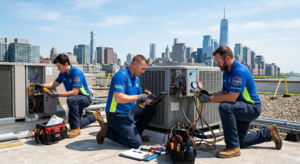
While some maintenance tasks are manageable for homeowners, such as changing filters or clearing debris around outdoor units, most HVAC work requires specialized training and tools. Electrical components, refrigerant handling, and system calibration all carry risks when handled without proper expertise. A qualified technician not only resolves the immediate issue but also identifies underlying problems before they escalate.
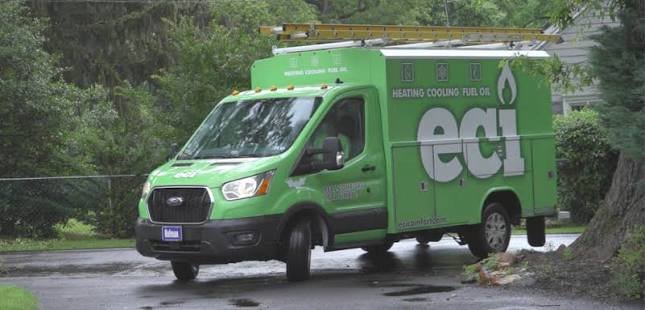
ECI Comfort delivers dependable heating and cooling solutions built around the idea that comfort shouldn’t be complicated or unpredictable. With a team that understands the nuances of residential HVAC systems, homeowners gain access to thorough inspections, honest recommendations, and repairs done right the first time. Whether it’s a routine tune-up or a full system replacement, having a knowledgeable partner on hand makes all the difference when temperatures swing to extremes.
Choosing a provider that prioritizes transparency and long-term system health, rather than short-term fixes, pays off through fewer breakdowns, lower energy bills, and a home that stays comfortable no matter the season.
Keeping Comfort Consistent All Year
HVAC systems work hardest when homeowners least expect it, which makes proactive care so valuable. Scheduling regular maintenance, watching for early warning signs, and knowing when it’s time to repair or replace equipment all contribute to a home that stays comfortable without unnecessary expense.
Taking a little time now to understand these factors can prevent major headaches later. A well-maintained system doesn’t just run better. It runs longer, costs less to operate, and keeps a home livable through every season’s demands.