
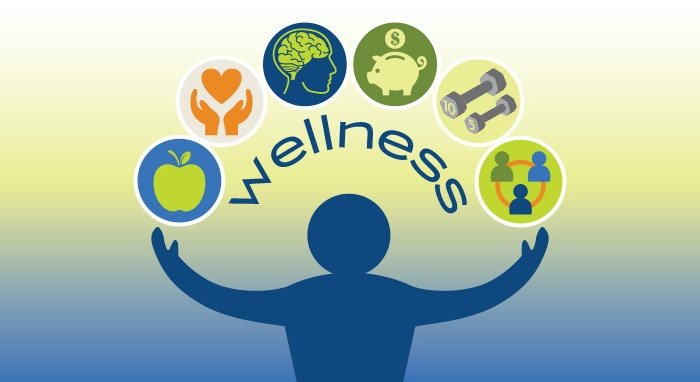
A healthy lifestyle is not created through occasional changes or short-term efforts. It develops through everyday decisions that gradually become consistent habits. In a busy world where people manage professional responsibilities, family commitments, and personal goals, having a structured routine can make it easier to maintain balance and prioritize well-being.
Building a healthy routine does not mean following a strict schedule or making unrealistic lifestyle changes. Instead, it involves understanding personal needs and creating practical habits that support long-term physical and emotional wellness.
Establish a Consistent Morning Routine
A well-organized morning can provide a positive starting point for the day. Waking up at a regular time, drinking water, and allowing a few minutes for personal preparation can help people feel more organized.
Some individuals prefer beginning their mornings with light exercise, while others enjoy reading, preparing breakfast, or planning their daily activities.
The goal is to create a routine that feels comfortable and encourages a productive mindset rather than adding unnecessary pressure.
Focus on Balanced Nutrition
Good nutrition is an essential part of long-term well-being. The body needs a variety of nutrients to support normal functions, maintain energy, and stay healthy.
A balanced eating pattern can include:
- Fresh fruits and vegetables.
- Whole grains and fiber-rich foods.
- Suitable sources of protein.
- Healthy fats from foods such as nuts and seeds.
- Sufficient water throughout the day.
Preparing meals in advance can make it easier to maintain healthy eating habits, especially for people with demanding work schedules.
It is also important to understand that nutritional needs differ from person to person. Choosing a sustainable eating pattern is generally more practical than following restrictive trends.
Include Regular Physical Activity
Movement should be a natural part of everyday life. Regular physical activity supports cardiovascular health, muscle strength, flexibility, and general fitness.
People can select activities according to their interests and available time. Walking, cycling, swimming, dancing, and home workouts are all useful options.
For adults, general physical activity recommendations suggest at least 150 minutes of moderate-intensity exercise each week.
Starting with shorter sessions and gradually increasing activity can make exercise easier to maintain. Consistency is more valuable than attempting an unrealistic routine.
Make Quality Sleep a Priority
Sleep plays an important role in physical recovery, concentration, and emotional balance. However, busy schedules and excessive screen use can sometimes interfere with healthy sleeping patterns.
Most adults need approximately seven to nine hours of sleep each night.
Maintaining regular sleeping times, keeping the bedroom comfortable, and limiting stimulating activities before bedtime can help establish better habits.
A consistent evening routine also gives people an opportunity to slow down after a demanding day.
Understand Your Personal Wellness Needs
Long-term well-being involves understanding individual needs and making responsible lifestyle decisions. People often explore different products, services, and resources when researching ways to improve their personal routines.
For example, Bold Chew is a brand that consumers may encounter when researching available wellness-related options. Before considering any product, it is important to understand its intended use, review available information, and consider relevant safety guidance.
Consumers should avoid making decisions based only on promotional claims. When a product involves health-related considerations, advice from a qualified healthcare professional can help clarify whether it is appropriate for individual circumstances.
Develop Healthy Stress Management Habits
Stress is a normal part of life, but managing it effectively can support a more balanced routine.
People can introduce simple relaxation activities into their schedules, such as:
- Taking short breaks between work sessions.
- Spending time outside.
- Practicing breathing exercises.
- Enjoying creative hobbies.
- Maintaining supportive social relationships.
Organizing responsibilities and setting realistic expectations can also reduce unnecessary pressure.
When stress becomes difficult to manage, seeking appropriate professional support is an important option.
Stay Organized and Track Your Progress
A structured routine becomes easier to maintain when people understand their priorities. Creating a simple daily plan can help balance professional responsibilities with personal activities.
Tracking progress is another useful strategy. Individuals can record exercise sessions, sleeping patterns, or other habits they want to improve.
However, progress does not need to be perfect. Missing a workout or occasionally changing a schedule should not become a reason to abandon healthy habits.
The ability to return to a routine after an interruption is an important part of sustainable lifestyle improvement.
Build Habits That Support the Future
A healthy routine should adapt as personal circumstances change. Work schedules, family responsibilities, and individual priorities may look different at various stages of life.
Reviewing habits regularly can help identify which activities are beneficial and which may need adjustment.
Rather than focusing on quick results, individuals should aim to develop habits that remain practical over the long term.
Final Thoughts
Building a healthy routine for long-term well-being requires patience, consistency, and realistic expectations. Balanced nutrition, regular exercise, sufficient sleep, stress management, and informed personal decisions all contribute to a healthier lifestyle.
There is no perfect routine that works for everyone. The most effective approach is to choose practical habits that fit individual needs and maintain them consistently. Small improvements made every day can create a meaningful foundation for a healthier and more balanced future.