Most homeowners don’t think about their heating system until it stops working. Then, usually on the coldest night of the year, the furnace goes quiet, and suddenly every neglected warning sign comes rushing back to mind. The good news? Nearly all of these breakdowns are preventable with a bit of foresight and the right professional support.
At Peabody Huggins, we’ve spent years helping homeowners keep their heating systems running smoothly through every season. We’ve seen firsthand how small, overlooked issues can snowball into expensive repairs or full system replacements. We’ve also seen how a little proactive care can add years to a furnace’s life and keep energy bills in check. This post covers what actually goes wrong with heating systems, why routine upkeep matters so much, and how working with a trusted team can save you time, money, and stress.
What Causes Heating Systems to Fail Unexpectedly?
Heating systems rarely fail without warning. In most cases, small inefficiencies build up over months, sometimes years, before they cause a visible problem. Dust and debris accumulate in filters and ductwork, restricting airflow and forcing the system to work harder than it should. Pilot lights flicker due to dirty sensors. Thermostats miscalibrate. Belts wear thin. None of these issues are dramatic on their own, but together, they place enormous strain on a system that was never designed to compensate for prolonged neglect.
Age also plays a significant role. Furnaces typically last between 15 and 20 years, but that lifespan shrinks considerably when regular upkeep is skipped. A furnace that’s serviced annually can often outperform a newer unit that’s been ignored. It’s a reminder that the age printed on the manufacturer’s label matters less than the care a system receives over its lifetime.
The Real Cost of Skipping Routine Checkups
It’s tempting to assume that if a furnace is running, it’s running fine. But “running” and “running efficiently” are two very different things. A poorly maintained heating system can lose a significant percentage of its efficiency, which translates directly into higher utility bills every single month. Multiply that over an entire winter, and the savings from a simple inspection quickly outweigh the cost of the visit itself.
There’s also the matter of safety. Heating systems that burn fuel, whether natural gas, propane, or oil, can develop cracks or leaks that go unnoticed without a trained eye. Carbon monoxide doesn’t announce itself with smell or color, which is exactly why professional inspections matter so much. Catching a crack in a heat exchanger during a routine visit is far better than discovering it the hard way.
And then there’s the inconvenience factor. Nobody wants to be without heat during a cold snap, waiting days for a technician while juggling space heaters and extra blankets. Preventive care dramatically reduces the odds of an emergency breakdown, which means fewer disruptions to your family’s routine and far less scrambling when temperatures drop.
What Does a Professional Heating Inspection Actually Involve?
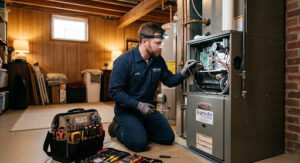
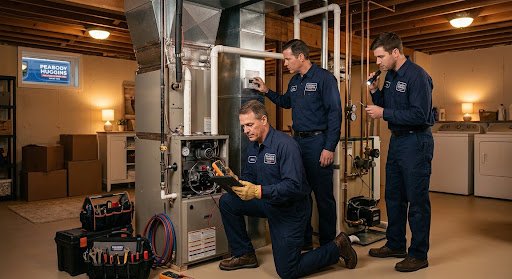
A thorough inspection goes well beyond a quick glance at the thermostat. Technicians typically check the ignition system, examine the heat exchanger for cracks, test safety controls, inspect and clean the burners, measure airflow, and verify that the thermostat is communicating properly with the unit. Filters are replaced or cleaned, electrical connections are tightened, and the entire system is tested through a full heating cycle to confirm everything is functioning as it should.
This level of detail matters because heating systems are made up of interconnected parts. A small inefficiency in one component, say, a dirty flame sensor, can throw off the performance of the whole unit, causing it to cycle on and off more frequently than necessary. That extra cycling adds wear and tear, shortens the system’s lifespan, and drives up energy consumption. A trained technician knows exactly what to look for and can catch these issues long before they become costly.
How Often Should You Schedule Heating System Checkups?
Most manufacturers and HVAC professionals recommend scheduling an inspection once a year, ideally in the early fall before the heating season begins in earnest. This timing allows technicians to identify and resolve issues before the system is put under real demand, rather than during the first cold stretch when appointment availability tends to be tighter and repairs more urgent.
Homes with older systems, or those with pets that shed heavily, may benefit from more frequent filter checks throughout the season. Larger households that run their heating systems for extended hours each day should also consider a mid-season check to catch any wear that might develop from heavier use.
Choosing a Team You Can Trust With Your Home
Not all service providers approach heating care the same way. Some rush through inspections, checking boxes without really diagnosing the underlying health of the system. Others use the visit as an opportunity to upsell unnecessary repairs or replacements. The difference between a mediocre experience and a great one often comes down to transparency, expertise, and genuine care for the customer’s comfort and budget.
Scheduling consistent Heating Maintenance is one of the simplest ways to protect your home’s comfort, lower your energy costs, and avoid the stress of unexpected breakdowns, and it’s exactly where Peabody Huggins has built its reputation. Our technicians take the time to explain what they find, walk homeowners through their options, and never recommend work that isn’t genuinely needed. We believe that trust is earned through honest communication, not upselling, and that approach has kept families coming back to us season after season.
Our team arrives prepared with the tools and training needed to handle systems of every age and brand. Whether your furnace was installed last year or has been quietly humming along for over a decade, we tailor our inspection and service approach to the specific needs of your equipment. We also take pride in flexible scheduling, so finding a convenient time doesn’t become another item on your to-do list.
Small Steps Now Prevent Big Problems Later
Heating systems are easy to take for granted until they stop working. But with a bit of attention each year, most major issues can be caught and resolved long before they become emergencies. Regular checkups don’t just extend the life of your furnace, they protect your household’s safety, lower your monthly energy costs, and give you one less thing to worry about when the temperature drops.
If it’s been a while since your heating system had a professional look-over, there’s no better time than now to get ahead of the season. Reach out to the Peabody Huggins team to schedule your inspection and experience the difference that genuine, attentive service can make for your home.
Frequently Asked Questions
How much does a typical heating system inspection cost?
Costs vary depending on the system’s age, type, and the scope of the inspection, but routine checkups are generally far more affordable than emergency repairs or premature system replacement.
Can I perform heating maintenance myself?
Homeowners can handle basic tasks like replacing filters and keeping vents clear of debris, but internal components such as heat exchangers, ignition systems, and electrical connections should always be left to trained professionals.
What are the warning signs that my furnace needs attention?
Unusual noises, inconsistent heating, a sudden spike in energy bills, or a burning smell when the system runs are all signs that it’s time to call a professional.
Is it too late to schedule an inspection once winter has started?
Not at all. While fall is the ideal time, a mid-winter inspection can still catch issues early and help avoid a breakdown during the coldest months.