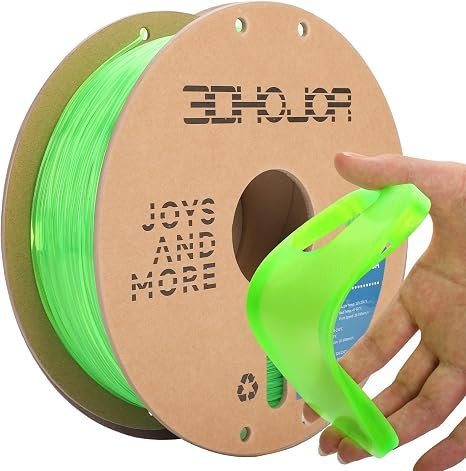
Flexible 3D printing materials have made it easier to create products that bend, compress, and withstand everyday wear. From protective cases and custom grips to cushioning components and functional prototypes, flexible filaments offer possibilities that rigid plastics cannot always provide. Among the available materials, thermoplastic polyurethane (TPU) is a popular choice for users seeking a balance of flexibility and durability.
Choosing the right Flexible 3D Filament depends on your printer, project requirements, and the properties you expect from the finished part. In this guide, we will explore TPU material, its main benefits, common applications, and practical tips for choosing and printing the right filament.
What Is TPU Material?
TPU stands for thermoplastic polyurethane, a flexible thermoplastic known for its elasticity, abrasion resistance, and durability. Unlike rigid materials such as PLA, TPU can bend and compress under pressure, making it suitable for parts that require flexibility.
TPU Filament is available in different hardness ratings, which influence how soft or firm a printed object feels. Softer TPU grades generally offer greater flexibility, while firmer grades provide more resistance to deformation. TPU 95A, for example, is a popular option for applications requiring a combination of flexibility and structural stability.
The final properties of a printed part also depend on its design. Wall thickness, infill density, print orientation, and geometry can all affect how easily an object bends or compresses.
Key Benefits of Flexible 3D Filament
Flexible filament offers several advantages for hobbyists, designers, and professionals.
1. Flexibility and Elasticity
The main advantage of TPU is its ability to deform under pressure and recover toward its original shape. This makes it useful for components that need to bend or flex during everyday use.
2. Abrasion Resistance
TPU offers good resistance to abrasion in many applications. It can be useful for grips, protective accessories, and parts that experience repeated contact with other surfaces.
3. Impact Absorption
Flexible TPU parts can absorb some impact energy, depending on their thickness and design. This property makes the material suitable for bumpers, protective edges, and cushioning components.
4. Versatile Design Options
Flexible 3D Filament supports a wide range of applications, from decorative accessories to functional components. It allows designers to create curved shapes, flexible straps, and custom parts that may not perform well when printed with rigid plastics.
5. Durability for Everyday Applications
When selected and printed correctly, TPU can withstand repeated handling and movement. Its combination of elasticity and abrasion resistance makes it useful for products designed for regular use.
Common Applications of TPU Filament
TPU is suitable for many projects where flexibility and durability are important.
- Protective cases: Print flexible covers for electronic devices, tools, and accessories.
- Phone accessories: Create custom cases, bumpers, and protective edges.
- Tool grips: Design handles with a comfortable, flexible surface.
- Gaskets and seals: Produce custom parts for suitable sealing and cushioning applications.
- Wearable accessories: Make flexible straps, bands, and selected wearable components.
- Cushioning parts: Design bumpers and components intended to reduce vibration or soften impacts.
- Functional prototypes: Test flexible product designs before using other manufacturing methods.
Before using TPU in specialized applications involving food contact, high temperatures, or safety-critical parts, check the manufacturer’s technical specifications.
How to Choose the Best TPU Filament
Finding the right TPU Filament involves more than comparing prices. Consider these important factors before making a purchase.
Check the Hardness Rating
Choose a hardness rating that suits the intended application. Softer materials may be better for parts that require substantial flexibility, while TPU 95A is a practical option for many designs that need a firmer structure with some elasticity.
Confirm Printer Compatibility
Flexible filament can be more challenging to feed than rigid plastic. Direct-drive extruders often provide better control because the filament travels a shorter distance before reaching the hotend. Some Bowden-style printers can also print TPU, although they may require additional tuning.
Review Material Quality
Look for consistent filament diameter, clear technical specifications, reliable packaging, and detailed printing instructions. These factors can help improve extrusion consistency and reduce printing problems.
Check Printing Requirements
Different TPU products may require different nozzle temperatures, bed temperatures, and printing speeds. Always follow the manufacturer’s recommended settings and adjust them gradually after testing.
Consider Storage and Moisture
TPU can absorb moisture from the air, potentially causing stringing, surface imperfections, and popping sounds during printing. Store opened filament in a dry, sealed container and follow the manufacturer’s drying instructions when necessary.
Tips for Better TPU Printing Results
Even high-quality TPU Filament requires appropriate printer settings for consistent results.
Start with a slower printing speed to help prevent the filament from buckling or compressing inside the extruder. Use the recommended temperature range and make small adjustments if extrusion or layer adhesion is inconsistent.
Keep retraction settings conservative, as excessive retraction may cause feeding problems with flexible materials. Print a small test object before starting a large project so you can evaluate surface quality, flexibility, and layer bonding.
Proper storage is equally important. Keeping the filament dry can help reduce moisture-related defects and improve print consistency.
Conclusion
Flexible TPU material provides a practical solution for 3D printing parts that require elasticity, durability, and resistance to everyday wear. From protective accessories and custom grips to cushioning components and functional prototypes, it supports a broad range of creative and practical applications.
When choosing the best Flexible 3D Filament, consider hardness, printer compatibility, material quality, and printing requirements. With suitable settings and proper storage, TPU Filament can help you create reliable flexible parts and explore new possibilities in 3D printing.