There’s a particular kind of dread that comes with hearing scratching in your attic at 2 a.m. Or spotting a raccoon calmly strolling across your patio in broad daylight. Palm Beach’s lush landscape and warm climate make it a haven for wildlife — which is wonderful for the ecosystem, but not always ideal when that wildlife decides your home is a better habitat than the wild.
If you’ve noticed chewed wiring, overturned garbage cans, or strange noises coming from your walls, you’re not imagining things. You’re likely sharing your property with an uninvited guest. And while it might be tempting to handle the situation yourself, wildlife encounters call for expertise, patience, and the right equipment — not a broom and good intentions.
This post walks through the most common wildlife issues Palm Beach homeowners face, why DIY removal often backfires, and how professional help can restore peace to your property without harming the animals involved.
Why Palm Beach Is a Wildlife Hotspot
Palm Beach’s subtropical climate, dense foliage, and proximity to waterways create ideal conditions for a wide range of species. Raccoons, opossums, squirrels, iguanas, and even the occasional bobcat find their way into residential neighborhoods, drawn by food sources, shelter, and warmth.
Attics and crawl spaces mimic the tight, insulated dens these animals seek in the wild. Garages and sheds offer shelter from storms. And backyard gardens or unsecured trash bins provide an easy meal. As more land is developed for housing, wildlife doesn’t disappear — it adapts, often moving closer to human dwellings than most homeowners realize.
Common Signs You Have an Unwanted Visitor
Wildlife intrusions rarely announce themselves outright. Instead, they leave behind a trail of clues:
- Scratching or scurrying sounds, especially at dawn or dusk when nocturnal animals are most active
- Foul odors coming from vents, walls, or attic spaces, often a sign of nesting or waste buildup
- Visible entry points, such as gaps near the roofline, damaged soffits, or torn screens
- Chewed wires or insulation, which can pose serious fire hazards
- Droppings or tracks near entry points, gardens, or trash areas
Catching these signs early can save homeowners from far costlier repairs down the line, including structural damage and contamination from droppings or urine.
Why DIY Wildlife Removal Often Makes Things Worse
It’s understandable to want to solve the problem yourself. A quick online search will turn up plenty of traps, repellents, and home remedies. But wildlife removal is rarely as simple as setting a cage and waiting.
Many species are protected under Florida wildlife regulations, meaning improper handling can result in fines or legal complications. Beyond the legal risk, cornered or frightened animals can become aggressive, posing a real danger to homeowners and pets. Raccoons, for instance, can carry rabies, while opossums and rodents often carry parasites or bacteria that spread through contact or contaminated droppings.
There’s also the issue of incomplete removal. If a mother animal is relocated but her young are left behind in a wall or attic, the smell and sound left behind can create an even bigger headache — not to mention distress for the trapped animals. Effective wildlife management requires understanding animal behavior, knowing where entry points are likely hiding, and following humane, legal removal practices from start to finish.
What Professional Wildlife Removal Actually Involves
A proper wildlife removal process goes beyond simply catching an animal and driving away. It typically includes several key stages:
Inspection: A thorough walkthrough of the property to identify entry points, nesting sites, and the species involved.
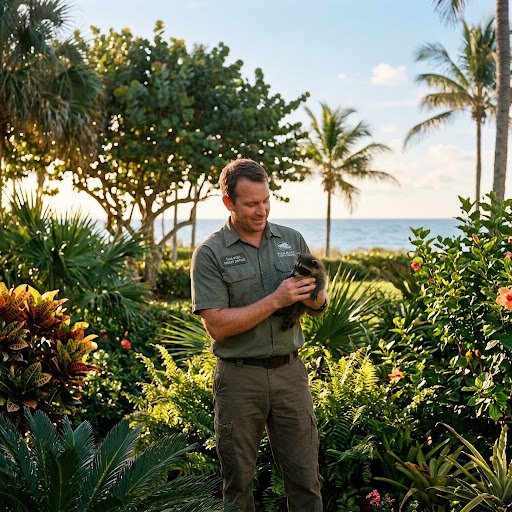
Humane trapping and removal: Using safe, non-lethal methods to capture and relocate animals without causing unnecessary harm or stress.
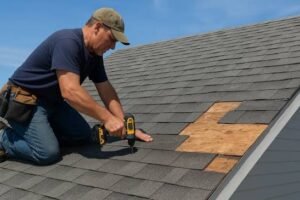
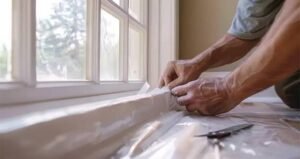
Exclusion and repair: Sealing entry points to prevent future intrusions, which might include repairing vents, soffits, or roofline gaps.
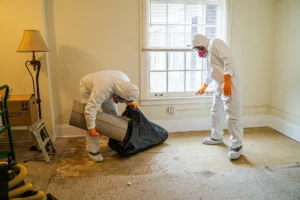
Sanitation: Cleaning and decontaminating affected areas to remove odors, droppings, and potential health hazards.
Prevention guidance: Offering homeowners practical tips, like securing trash bins or trimming overhanging branches, to reduce the likelihood of repeat visitors.
This kind of comprehensive approach doesn’t just remove the immediate problem. It protects your home from becoming an easy target again in the future.
Choosing the Right Wildlife Removal Partner in Palm Beach
Not every wildlife company takes the same careful approach. Some offer quick fixes that leave gaps unsealed or animals inhumanely trapped, leading to repeat problems and unnecessary animal suffering. Homeowners deserve better than a rushed job that trades long-term peace of mind for a fast payout.
Trusted, locally-focused expertise that puts both your home and local wildlife first is exactly what you’ll find with Palm Beach Wildlife Services. With a deep understanding of the region’s unique wildlife patterns and years of hands-on experience navigating Florida’s specific regulations, the team approaches every case with a balance of urgency and care. Whether it’s a family of raccoons nesting in an attic or an iguana burrowing under a pool deck, the goal is always the same: resolve the issue quickly, humanely, and permanently.
Homeowners working with a knowledgeable local team benefit from faster response times, accurate identification of species-specific behavior, and repair work built to withstand Florida’s climate and pest pressures. It’s the difference between a temporary patch and a long-term solution.
Protecting Your Home Without Harming Nature
Living in Palm Beach means living alongside a rich variety of wildlife, and that’s part of what makes the area so special. The goal isn’t to eliminate that biodiversity — it’s to maintain healthy boundaries between wild spaces and your home. When an animal ends up somewhere it shouldn’t be, a swift, humane response benefits everyone involved: your family stays safe, your property stays protected, and the animal gets a chance to return to a more suitable habitat.
If you’re dealing with unexpected noises, damage, or signs of an animal intrusion, don’t wait for the situation to escalate. Reach out to a trusted local wildlife removal team, ask about their inspection process, and take the first step toward reclaiming your space — safely and responsibly.
Frequently Asked Questions
How quickly should I address a wildlife issue once I notice signs?
As soon as possible. Delays can allow animals to nest further, cause more structural damage, or give birth, making removal more complicated and costly.
Is wildlife removal safe for pets and children?
Yes, when handled by trained professionals using humane, controlled methods. DIY attempts pose more risk, as untrained handling can provoke defensive behavior from trapped animals.
Will sealing entry points really stop animals from coming back?
In most cases, yes. Combined with proper sanitation and prevention tips, sealing vulnerable areas significantly reduces the chances of repeat intrusions.
What time of year are wildlife intrusions most common in Palm Beach?
Activity often increases during nesting seasons in spring and early summer, as well as during hurricane season, when animals seek shelter from storms.