
Bulgarian Women: A Rich History of Courage, Education, Culture, and Achievement
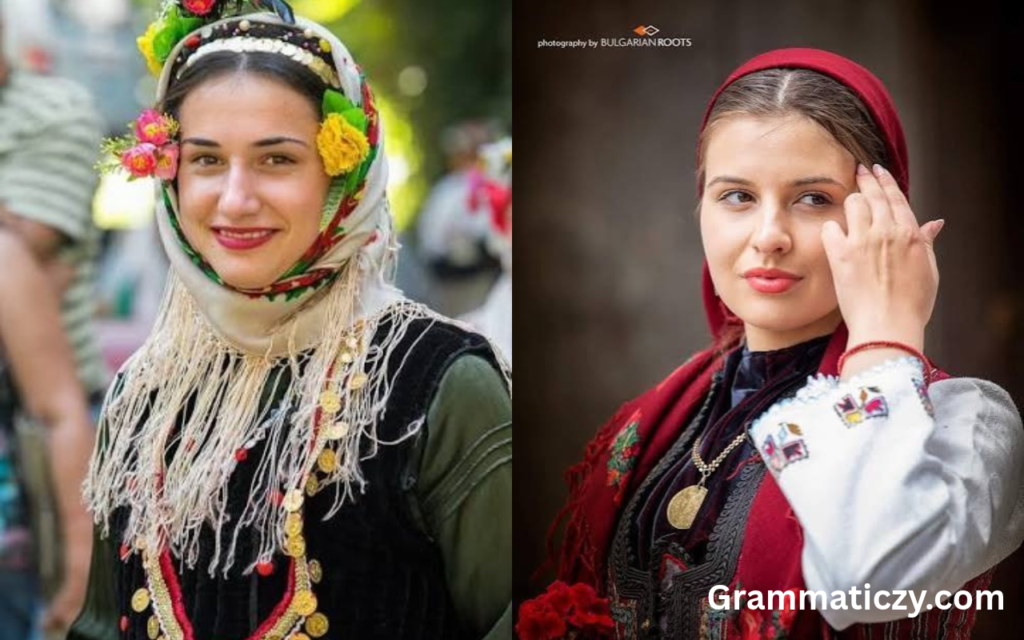
The story of Bulgarian women is much larger than a collection of famous names. It is a story of teachers who opened schools when female education was still limited, writers who created new literary voices, activists who demanded equal rights, artists who entered professions dominated by men, athletes who placed Bulgaria on the international sporting map, and modern professionals whose careers extend far beyond the country’s borders. Their experiences reflect the changing social, cultural, and political landscape of Bulgaria itself.
For much of the nineteenth century, Bulgarian women’s opportunities were closely tied to family and community life. Yet education gradually became one of the most important routes through which women expanded their roles in society. Research on Bulgarian women’s history notes that the first modern girls’ school was established in 1841, while by 1878 there were around 90 such schools. The development of education helped create the conditions for women to enter literature, teaching, journalism, professional life, and eventually organized movements for civil and political rights.
What makes the history particularly fascinating is the variety of personalities involved. Some women became national symbols, while others worked quietly as educators, publishers, physicians, scientists, artists, and organizers. Many of their names disappeared from public memory for decades before historians and cultural organizations began bringing their stories back into focus. Today, projects dedicated to the women who shaped Bulgaria document pioneers in diplomacy, literature, education, architecture, science, fashion, travel, theater, and women’s rights.
The Early History of Bulgarian Women and Education
The modern history of Bulgarian women cannot be separated from the development of education. During the Bulgarian National Revival, education became a powerful instrument for cultural preservation and modernization. Girls’ schools gradually appeared in Bulgarian communities, creating opportunities for women to acquire knowledge and, importantly, to become teachers themselves. Before Bulgaria’s liberation in 1878, teaching was effectively the principal profession open to women, and historical research estimates that approximately 400 female teachers were working by that year.
Education did more than teach women reading and writing. It introduced them to literature, history, languages, religion, science, and ideas about society. An educated woman could pass knowledge to children, influence family decisions, participate in community organizations, and contribute to the emerging Bulgarian intellectual culture. This helps explain why so many early Bulgarian women pioneers were simultaneously teachers, writers, translators, publishers, or social activists.
The transformation was gradual rather than immediate. Historical research describes the nineteenth- and early twentieth-century period as one in which Bulgarian women moved from highly restricted social circumstances toward education, literary activity, access to selected professions, and eventually greater participation in civic life. The so-called “woman question” initially emerged around education during the 1840s and later expanded into debates over employment, voting rights, citizenship, and equality.
Nedelya Petkova and the Importance of Girls’ Education
One of the important early figures in Bulgarian educational history was Nedelya Petkova, often remembered as Baba Nedelya. Born in Sopot in 1826, she became a pioneer in girls’ education during a period when educational opportunities for Bulgarian women were extremely limited. Historical accounts state that she began teaching girls in 1858 and helped develop a network of girls’ schools across Bulgarian-populated areas of the Ottoman Empire.
Her own educational journey illustrates the limitations faced by women of her generation. She attended the convent school in Sopot and wanted to continue her studies in Russia, but her family could not afford to send her. Instead of allowing that limitation to end her intellectual development, she continued educating herself. That experience became part of the broader pattern seen among Bulgarian women pioneers: limited formal opportunities often encouraged a determination to create opportunities for others.
Petkova’s importance therefore lies not simply in the number of students she taught but in the principle behind her work. Girls’ education created a multiplier effect. One educated girl could become a teacher, and one teacher could educate dozens or hundreds of other children. Over generations, that process helped establish a foundation for the emergence of Bulgarian women writers, professionals, activists, and intellectuals.
Rayna Knyaginya and a National Symbol
Few names in Bulgarian history carry the symbolism of Rayna Knyaginya. Born Rayna Popgeorgieva Futekova in Panagyurishte in 1856, she became famous for sewing the flag associated with the April Uprising of 1876. She was also a teacher and later worked as a maternity nurse, demonstrating that her historical identity extended beyond the revolutionary symbolism for which she is most widely remembered.
Rayna lived during one of the most turbulent periods of Bulgarian national history. The April Uprising became an important episode in the movement that ultimately led toward Bulgaria’s liberation from Ottoman rule. Her participation gave her a place in national memory, but her story also shows that women were active participants in historical events rather than simply witnesses standing at the margins.
The lasting fascination with Rayna Knyaginya comes partly from the combination of courage and symbolism surrounding her life. Her flag became a representation of resistance and national aspiration, while her subsequent work as a teacher and maternity nurse reflects another side of nineteenth-century Bulgarian women’s lives: service to the community. Her legacy continues to be presented as part of Bulgaria’s wider history of women who contributed to national development.
Ana Karima and the Organized Women’s Movement
The emergence of organized women’s activism marked another major stage in Bulgarian women’s history. Ana Karima, born Ana Todorova Velkova in 1871, became an important advocate for women’s education and equality. According to the Women That Shaped Bulgaria project, she founded the educational society “Saznanie” in 1897 and used it to campaign for women’s admission to Sofia University.
Her work did not stop with education. In 1901, Karima helped establish the Bulgarian Women’s Union and became its first chairwoman. She also organized women’s gatherings, advocated educational reforms, opened Sofia’s first girls’ school of commerce in 1916, and promoted greater opportunities for women in professional and intellectual life.
Karima was also a writer, translator, editor, and journalist. She worked with publications including Women’s Voice, Equality, and Bulgarian Woman, using the press to communicate ideas about women’s independence, education, marriage, and social participation. Her life demonstrates how Bulgarian women’s activism combined several fields rather than existing separately from literature, journalism, education, and cultural life.
Dimitrana Ivanova and the Fight for Women’s Rights
Dimitrana Ivanova became another central figure in Bulgaria’s women’s movement. Born in 1881, she was an educator, journalist, feminist, and long-serving leader of the Bulgarian Women’s Union. Academic research on her life describes her as one of the most prominent Bulgarian feminists and emphasizes the importance of her work for understanding the development of gender relations and women’s activism in modern Bulgarian history.
Ivanova’s activism developed around practical questions affecting women’s lives. Education, professional opportunities, legal status, and political participation were interconnected issues. Her work reflected the growing realization that educational equality alone would not be enough if women remained excluded from other areas of public life.
Her legacy is particularly significant because it demonstrates that Bulgaria’s women’s movement was connected to wider international developments. Bulgarian activists participated in broader debates about women’s citizenship, professional opportunities, and voting rights. Their efforts formed part of a European and international movement while retaining a distinctly Bulgarian social and historical context.
Bulgarian Women in Literature
Literature became one of the most important fields through which Bulgarian women established an independent public voice. The Bulgarian Academy of Sciences’ Institute for Literature has documented a large body of women’s writing and has specifically studied both famous and comparatively overlooked women poets and writers. The Institute’s research includes figures such as Elisaveta Bagryana, Blaga Dimitrova, Yana Yazova, Fani Popova-Mutafova, Anna Kamenova, and others.
The significance of women writers went beyond simply increasing the number of female authors. Their work brought different perspectives to questions of family, love, independence, identity, social expectations, cultural belonging, and women’s experiences. Their literary careers also challenged the assumption that serious intellectual and artistic work belonged primarily to men.
The development of women’s literary organizations strengthened this process. Research into the Club of Bulgarian Women Writers shows that women intellectuals became increasingly visible during the interwar period. The club, active from 1930, represented an important institutional space for women writers and contributed to the modernization of Bulgarian literary culture.
Elisaveta Bagryana and a New Female Literary Voice
Among Bulgaria’s most celebrated women poets is Elisaveta Bagryana, born in Sofia in 1893. Her name became closely associated with modern Bulgarian poetry, and her literary career helped establish the importance of female creative voices in twentieth-century Bulgarian culture. The Bulgarian Academy of Sciences’ Institute for Literature has devoted specific scholarly work to her life and literary legacy.
Bagryana’s significance is connected not only to her popularity but also to the literary space she occupied. Her writing emerged during a period when Bulgarian society was changing rapidly. Women were increasingly visible in education, professional life, journalism, and culture, while questions about personal independence and social expectations were becoming more openly discussed.
Her legacy also illustrates why the history of Bulgarian women should not be reduced to political activism. Cultural achievement can change society in quieter ways. Literature gives people language for experiences that may previously have remained private, and women writers helped bring female perspectives into Bulgaria’s literary canon.
Elisaveta Konsulova-Vazova and Women in Art
The visual arts provide another remarkable example of women’s expanding professional opportunities. Elisaveta Konsulova-Vazova, born in 1881, is recognized by the Women That Shaped Bulgaria project as the first Bulgarian woman to graduate with a degree in fine arts. Her achievement represented an important breakthrough in a professional environment where women faced considerable barriers.
Her accomplishment was significant because artistic education involved more than talent. Formal training, access to institutions, professional networks, exhibitions, and public recognition were essential for a successful artistic career. By entering this environment as a woman, Konsulova-Vazova helped demonstrate that female artists could participate seriously in Bulgaria’s professional cultural life.
Her story belongs to a broader pattern in Bulgarian women’s history. Women were gradually moving from informal cultural participation toward recognized professional careers. Similar developments occurred in architecture, science, journalism, theater, publishing, and other fields, creating a foundation for later generations of Bulgarian women professionals.
Bulgarian Women in Science, Architecture, and Professional Life
The achievements of Bulgarian women were never limited to literature and activism. Historical records highlight women who became pioneers in science, architecture, diplomacy, fashion, travel, and other professional areas. The Women That Shaped Bulgaria project, for example, identifies Elisaveta Karamikhaylova as the first woman in Bulgaria to become a habilitated scholar and Viktoria Angelova-Vinarova as the first Bulgarian woman architect to win a competition for a public building.
These achievements are important because professional recognition required women to overcome institutional as well as social barriers. Entering a university, obtaining professional qualifications, finding employment, and establishing credibility were all significant steps. Each successful woman therefore helped make a previously unusual career more imaginable for those who followed.
The same pattern appears in diplomacy and international work. Nadezhda Stanchova is identified as Bulgaria’s first woman diplomat, providing another example of how women gradually entered areas traditionally dominated by men. These pioneers helped broaden the definition of what a Bulgarian woman’s professional life could look like.
Bulgarian Women in Modern Sport
Sport created another powerful platform for Bulgarian women. Athletics, tennis, gymnastics, and other sports gave Bulgarian women opportunities to achieve international recognition through measurable performance. Sporting success also provided a particularly visible form of representation because athletes could compete under Bulgaria’s national identity on international stages.
One of the country’s most famous sporting figures is Stefka Kostadinova, whose high-jump achievements became part of global athletics history. Her career demonstrates the combination of technical skill, physical preparation, discipline, consistency, and psychological resilience required to compete at the highest level.
Another important name is Tsvetana Pironkova, who brought Bulgarian women’s tennis significant international attention. Her Wimbledon performances demonstrated that Bulgarian athletes could make deep runs in major international tournaments and compete successfully against some of the world’s best players.
Modern Bulgarian Women and International Careers
The contemporary generation of Bulgarian women operates in a dramatically different environment from that faced by nineteenth-century pioneers. Education is widely accessible, women participate in virtually every profession, and international mobility has created opportunities that earlier generations could scarcely have imagined.
This does not mean that historical barriers have become irrelevant. Instead, the challenges have changed. Modern professional women may encounter questions involving career advancement, work-life balance, representation in leadership, economic independence, and social expectations. Bulgarian women’s organizations continue to address gender equality and related issues in contemporary society.
Stanimira Hadzhimitova’s experience illustrates the evolution of modern activism. After working as an engineer and later in private business, she became involved in gender-equality advocacy in the 1990s and helped establish organizations that contributed to Bulgaria’s modern women’s movement. Her experience shows how activism continued to develop after the political transition of the early 1990s.
Bulgarian Women, Media, and Cultural Memory
Media has played a major role in changing how Bulgarian women are represented. Newspapers and magazines were already important tools for nineteenth- and early twentieth-century women’s activism. Research on Bulgarian women’s periodicals shows that publications aimed at female readers contributed to cultural modernization and discussions surrounding women’s emancipation.
Women such as Ana Karima understood the importance of controlling the conversation. Through newspapers, magazines, essays, translations, and public speeches, women could communicate directly with other women and develop communities around shared concerns. Print culture therefore became an important extension of women’s education and activism.
Today, social media has transformed that process. Modern Bulgarian women can communicate through Instagram, Facebook, YouTube, TikTok, LinkedIn, and other platforms without depending entirely on traditional media organizations. Athletes, artists, entrepreneurs, journalists, academics, and public figures can build audiences directly and share professional work with international followers.
The Personal Side of Bulgarian Women’s Stories
There is no single personality type that defines Bulgarian women. The historical record reveals women from different social backgrounds, professions, personalities, and generations. Some were outspoken activists, while others expressed themselves primarily through literature, science, art, education, or professional achievement.
Family circumstances often played an important role in these biographies. Some women received support from educated families, while others had to overcome financial limitations or restrictive social expectations. Nedelya Petkova’s inability to study abroad, for example, did not prevent her from becoming an important educator. Her experience illustrates how individual determination could compensate, at least partly, for limited institutional opportunities.
The personal dimension also helps explain why these biographies remain compelling. Historical achievements can sometimes appear distant when presented only as dates and titles. Looking at the obstacles, choices, relationships, education, work, and ambitions behind those achievements makes the women themselves more understandable and their accomplishments more meaningful.
Net Worth, Income, and Financial Success
Because Bulgarian women refers to a broad population rather than one individual, there is no legitimate collective net-worth figure. Historical women such as Rayna Knyaginya or Elisaveta Bagryana lived under completely different economic systems from today’s celebrities, athletes, entrepreneurs, and executives.
For contemporary Bulgarian women, income can come from many different sources. Professional athletes may earn from salaries, competition prizes, sponsorships, endorsements, and appearances. Writers can receive royalties, publishing income, translations, and speaking fees. Actors and entertainers may earn through film, television, streaming productions, advertising, and commercial partnerships.
Celebrity websites sometimes publish estimated net-worth figures, but these numbers should not automatically be treated as verified financial information. Unless a person’s assets, contracts, compensation, or business interests have been documented through reliable sources, a precise net-worth number is usually speculative. A responsible biography should distinguish documented earnings from estimates.
The Continuing Legacy of Bulgarian Women
The most important part of this story may be the connection between generations. The teacher who opened a girls’ classroom, the activist who demanded access to university, the writer who published poetry, the scientist who entered an academic institution, and the athlete who competed internationally were all participating in a much larger process of expanding women’s possibilities.
Organizations and historians continue to recover these stories. The Women That Shaped Bulgaria project currently documents numerous women whose achievements span diplomacy, literature, activism, education, theater, science, architecture, fashion, exploration, and art. Such projects are valuable because historical memory can easily overlook people whose contributions were not adequately recorded at the time.
Academic research is also broadening the picture. The Institute for Literature at the Bulgarian Academy of Sciences continues to examine women’s writing and literary history, including both well-known and lesser-known authors. This ongoing scholarship demonstrates that the story of Bulgarian women is not finished; historians continue to discover, reassess, and interpret their contributions.
Conclusion
The history of Bulgarian women is a remarkable story of gradual transformation. From the educators who established girls’ schools during the nineteenth century to activists who fought for women’s rights, writers who transformed Bulgarian literature, artists who entered professional institutions, scientists who challenged academic barriers, and modern professionals who built international careers, Bulgarian women have repeatedly expanded the boundaries of what society considered possible.
Their journeys were not identical. Some fought openly for political rights, while others changed society through education, art, literature, sport, science, or professional excellence. Some became national symbols, while others remained relatively unknown outside specialist historical research. Yet their combined contribution forms an important part of Bulgaria’s cultural and social heritage.
Perhaps the strongest lesson is that social progress is rarely created by one person alone. It develops through generations, with each generation benefiting from opportunities created by those who came before. The history of Bulgarian women shows how education can lead to independence, how cultural expression can challenge social expectations, and how perseverance can turn an individual achievement into a lasting legacy.
Today, Bulgarian women continue to shape the country’s future in classrooms, laboratories, businesses, studios, sports arenas, universities, public institutions, and international organizations. Their stories remind us that progress can begin with something as simple as a woman deciding that a closed door should not remain closed forever.