
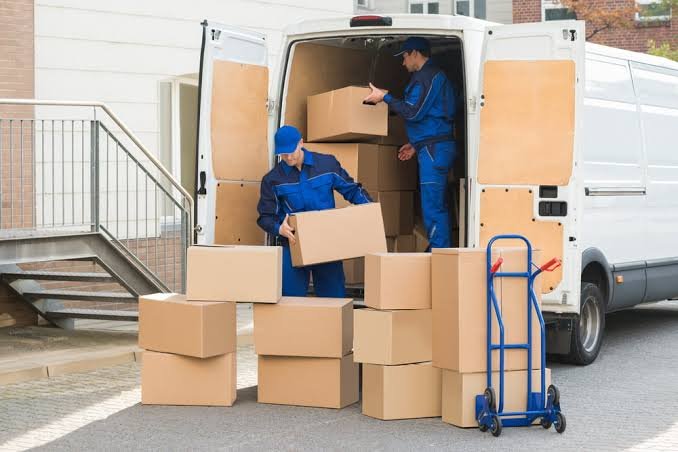
Moving to a new home, apartment, office, or commercial property is an important transition that requires more than simply transporting boxes from one place to another. A successful relocation involves planning, packing, lifting, loading, transportation, unloading, furniture placement, and careful handling of valuable possessions. Without proper preparation, these responsibilities can quickly become stressful and time-consuming. Professional movers provide practical assistance throughout the relocation process, helping customers manage the physical and logistical demands of moving while protecting their belongings.A well-organized move starts with a clear understanding of what needs to be transported and how each stage will be completed. From determining the number of boxes required to arranging furniture for safe transportation, every detail can influence the efficiency of moving day. Experienced professionals bring the equipment, techniques, and manpower needed to handle these responsibilities efficiently. Their support can be especially valuable when a property contains heavy furniture, fragile possessions, appliances, or numerous boxes that would be difficult for individuals to handle alone.
Understanding the Moving Process
The moving process usually begins with planning and preparation. Before packing starts, it is useful to create an inventory of household or business belongings. This helps determine the approximate workload and identifies items that require special attention. Furniture, electronics, kitchen equipment, clothing, documents, decorations, and other possessions can be organized according to rooms or categories.Once the inventory is prepared, packing can begin. Items should be placed in strong boxes with suitable protective materials, and each container should be labeled according to its destination. Proper labeling helps movers place boxes in the correct rooms after arrival, reducing confusion during unloading and unpacking.The next stage involves loading the moving vehicle. Furniture and boxes should be arranged strategically to maximize available space while preventing unnecessary movement during transportation. Heavy items generally need to be positioned securely, while fragile belongings require additional protection. After reaching the destination, the process is reversed through unloading, furniture placement, and final organization.
Why Professional Moving Assistance Is Valuable
Relocation often involves physically demanding tasks that can be difficult for people without proper experience or equipment. Large sofas, beds, cabinets, appliances, tables, and other heavy objects may require several people to move safely. Attempting to handle these items without suitable techniques can increase the risk of injuries or property damage.Professional movers are trained to handle different types of belongings and understand how to navigate stairs, narrow hallways, doorways, elevators, and other challenging access points. They can use moving equipment to reduce physical strain and make heavy lifting more controlled.
Another advantage is efficiency. A coordinated team can complete packing, loading, transportation, and unloading more quickly than an individual or small group working without experience. This can be particularly helpful when customers have strict schedules or need to complete a relocation within a limited timeframe.
Creating a Practical Moving Plan
A detailed moving plan can prevent many common problems. The first step is to determine the desired moving date and work backward to establish preparation deadlines. Packing should begin early enough to avoid rushing, especially when the property contains a large number of belongings.A room-by-room strategy can make the process easier. Items from each room should be packed together and labeled clearly. Essential belongings should be separated so they remain accessible during the transition. Important documents, personal valuables, chargers, medications, basic clothing, and toiletries are examples of items that should not become buried inside general moving boxes.The plan should also account for furniture that may require disassembly. Beds, shelving units, desks, dining tables, and other large pieces can sometimes be easier to transport when separated into manageable components. Hardware should be stored in labeled bags so that reassembly is straightforward.
Packing Belongings for Safe Transportation
Packing correctly is one of the most important parts of a relocation. Boxes should be strong enough to support their contents, while fragile possessions should receive appropriate cushioning. Glassware, dishes, mirrors, artwork, electronics, and decorative objects can be particularly vulnerable to impact.Heavy items should not be placed in oversized boxes where they become difficult to carry. Instead, heavier belongings can be distributed across smaller containers. Lighter items can fill remaining space without making boxes excessively heavy.Labels should identify both the contents and the room where each box belongs. Clear labeling saves time during unloading and helps reduce unnecessary handling. Fragile boxes should also be identified so they receive appropriate care when they are loaded and unloaded.
Protecting Furniture and Interior Surfaces
Furniture can easily become scratched or damaged during a move if it is not properly protected. Protective blankets, padding, stretch wrap, and other materials can help shield surfaces from impacts and friction. Drawers and removable components should be secured to prevent them from opening during handling.Interior surfaces also deserve attention. Floors, walls, door frames, and stairways can be exposed to accidental contact while large furniture is being moved. Professional moving teams can use appropriate protective measures and carefully plan routes for oversized items.Before moving day, it is useful to identify tight spaces and potential obstacles. Measuring larger furniture and doorways can help determine whether an item needs to be disassembled or moved through another route.
Handling Heavy Appliances
Large appliances require specialized attention because they are both heavy and sensitive to improper handling. Refrigerators, washing machines, dryers, ovens, and other equipment may need preparation before transportation.Connections should be handled appropriately, while removable shelves and other components may need to be secured separately. Appliances should be protected from impacts and positioned carefully during loading. Using suitable equipment can make the process safer and reduce physical strain.Professional assistance is particularly useful when an appliance needs to be moved through narrow areas or down stairs. Experienced teams can determine how to position and carry these items while reducing the risk of damage to the equipment or surrounding property.
Moving Fragile and Valuable Possessions
Not every item should be treated in the same way. Valuable artwork, collectibles, electronics, musical instruments, glass objects, and important documents may require specialized packing and handling.Customers should identify these possessions before moving day and communicate their requirements clearly. Fragile items can be wrapped individually, cushioned inside appropriate containers, and positioned away from heavy objects.Irreplaceable documents, jewelry, personal records, and other highly valuable belongings may be better transported separately rather than included with general household goods. Maintaining a personal inventory of important possessions can also provide additional organization during the relocation.
Residential Moving Considerations
Residential relocations vary according to the size and layout of the property. A small apartment may contain fewer possessions but present challenges involving stairs, elevators, parking, or narrow hallways. A larger home may contain significantly more furniture, appliances, boxes, and outdoor belongings.Preparing access routes before the move can make the process more efficient. Walkways should remain clear, and doors should provide enough space for larger objects. If elevators are involved, their availability and capacity should be considered during planning.A professional moving team can evaluate these conditions and organize the move accordingly. This preparation can reduce unnecessary delays and make loading and unloading more efficient.
Office and Commercial Relocations
Business relocations require careful scheduling because interruptions can affect productivity. Offices may contain desks, chairs, computers, filing cabinets, conference furniture, documents, equipment, and other valuable assets.A commercial moving plan should prioritize essential equipment and identify which departments or work areas need to remain operational. Computers and electronics should receive appropriate protection, while confidential documents should be packed and organized carefully.
Furniture may need to be disassembled before transportation and reassembled after arrival. Professional moving assistance can help businesses coordinate these tasks so employees can focus on their normal responsibilities whenever possible.
Choosing Reliable Moving Professionals
Selecting the right service provider is an important decision. Customers should evaluate experience, available services, communication, equipment, scheduling flexibility, and the company’s approach to protecting belongings.A reputable provider should explain the moving process clearly and answer questions about preparation, transportation, packing, unloading, and additional services. Customers should understand what is included before moving day to avoid misunderstandings.It is also useful to determine whether the company can accommodate special requirements. Some relocations may involve fragile items, heavy appliances, oversized furniture, packing services, temporary storage, or difficult access conditions. Choosing a provider with suitable capabilities can make the entire experience more convenient.
Understanding Moving Estimates
The total cost of a move can depend on several factors. The amount of furniture and boxes, transportation requirements, distance, number of movers, packing assistance, access conditions, and specialized handling can all affect pricing.Providing accurate information when requesting an estimate is important. Customers should mention large furniture, appliances, stairs, elevators, narrow access points, or other conditions that may influence the work involved.A clear estimate helps customers understand the expected expenses and compare services more effectively. Before accepting a moving service, customers should review what is included and ask about any additional services they may require.
Preparing for Moving Day
Moving day becomes easier when most preparation has already been completed. Boxes should be sealed and labeled, furniture should be ready for handling, and pathways should be clear. Essential items should remain separate from general belongings so they can be accessed immediately.Customers should also keep important paperwork and personal valuables in a secure location. Having a small personal bag with everyday necessities can make the first day at the new property much more comfortable.Clear communication with the moving team is equally important. Customers should explain which belongings require special care and identify where furniture and boxes should be placed after arrival.
Reducing Moving Stress
Moving can be emotionally and physically demanding, particularly when customers attempt to handle every task themselves. Creating a realistic schedule and delegating physically demanding responsibilities can significantly reduce stress.
Professional support allows customers to focus on other aspects of relocation, including changing utilities, updating records, arranging property access, cleaning, and settling into the new environment. Instead of spending the entire day lifting and carrying heavy items, customers can oversee the process and address other priorities.A structured approach also makes it easier to identify problems early. When packing, transportation, and unloading follow a clear plan, there is less opportunity for confusion or misplaced belongings.
The Role of Equipment in Efficient Moving
Professional relocation often requires more than manpower. Equipment such as moving dollies, furniture pads, lifting straps, ramps, protective coverings, and specialized tools can make heavy or awkward items easier to handle.Using suitable equipment reduces unnecessary strain and provides better control when moving bulky objects. It can also help protect floors, walls, furniture, and appliances during the process.The right equipment is particularly important for large items that cannot be safely carried by one person. Professional teams can select equipment based on the size, weight, shape, and access conditions of each item.
Storage During a Relocation
Some moves require temporary storage because the new property is not ready or because the relocation is happening in stages. Storage requirements should be considered before moving day if there is a possibility that belongings cannot immediately be placed at the destination.Items placed into storage should be packed securely and labeled clearly. Furniture should receive suitable protection, while sensitive belongings should be stored in appropriate packaging.Organized storage makes it easier to locate specific possessions later. Customers should also determine whether they will need regular access to stored items and plan accordingly.
Common Mistakes to Avoid
One of the most common moving mistakes is waiting too long to begin packing. Last-minute preparation often results in poorly labeled boxes, inadequate protection, and unnecessary stress. Starting early allows belongings to be sorted and packed carefully.Another common mistake is failing to measure large furniture and access points. A piece of furniture may fit comfortably inside a room but fail to pass through a narrow doorway or staircase. Checking dimensions beforehand can prevent unexpected problems.Overloading boxes is another concern. Excessively heavy boxes can be difficult to carry and may break during handling. Distributing weight appropriately helps protect both the belongings and the people handling them.Poor communication can also create difficulties. Customers should clearly explain special requirements and ensure that the moving team understands the destination of major furniture and boxes.
How Professional Movers Support a Better Experience
Working with experienced movers can simplify the physical and logistical demands of relocation. Professional teams can assist with packing, furniture handling, loading, transportation, unloading, and placement according to the services selected by the customer.The objective is not simply to move belongings from one property to another. A quality moving experience focuses on protecting possessions, maintaining organization, using time efficiently, and communicating clearly throughout the process.Professional assistance can be particularly valuable for customers with large households, heavy furniture, fragile possessions, busy schedules, or commercial relocation requirements. Having trained personnel handle physically demanding tasks can allow customers to focus on the broader transition.
Settling Into the New Property
Once belongings arrive, organized unloading can make the next stage easier. Boxes should be placed in their designated rooms, while larger furniture can be positioned according to the customer’s instructions. This approach reduces the amount of rearranging required later.Essential rooms should generally receive priority. Setting up sleeping areas, basic kitchen supplies, bathrooms, and everyday necessities allows occupants to become comfortable even before every box has been unpacked.Unpacking can then proceed gradually. By following the same organization used during packing, customers can locate belongings more easily and avoid creating unnecessary clutter.
Long-Term Benefits of an Organized Move
A carefully managed relocation can provide benefits that extend beyond moving day. Sorting belongings before packing can help eliminate unnecessary possessions, while clear labels create a useful inventory of household or business items.Proper protection during transportation can reduce the possibility of damage, saving customers from unexpected replacement or repair costs. Efficient loading and unloading can also reduce physical strain and shorten the time required to complete the move.Most importantly, professional moving support can make a major transition feel more manageable. Instead of facing every physical task alone, customers can rely on experienced professionals while concentrating on settling into their new property.
Conclusion
Relocation is a major project that requires preparation, organization, physical effort, and careful attention to detail. From packing fragile belongings and protecting furniture to transporting heavy appliances and arranging boxes at the destination, every stage contributes to a successful move.Choosing dependable movers can make the process more efficient by providing professional experience, suitable equipment, organized transportation, and practical assistance. Whether the move involves a home, apartment, office, or commercial property, professional support can reduce physical strain and help keep the relocation organized.With early planning, careful packing, clear communication, and experienced assistance, moving can become a smoother and more manageable experience. A well-executed relocation protects belongings, saves time, reduces unnecessary stress, and helps customers begin the next chapter with greater confidence.