
Jonathan Wilkes Biography: Age, Career, Wife, Family, Net Worth and the Story Behind His Success
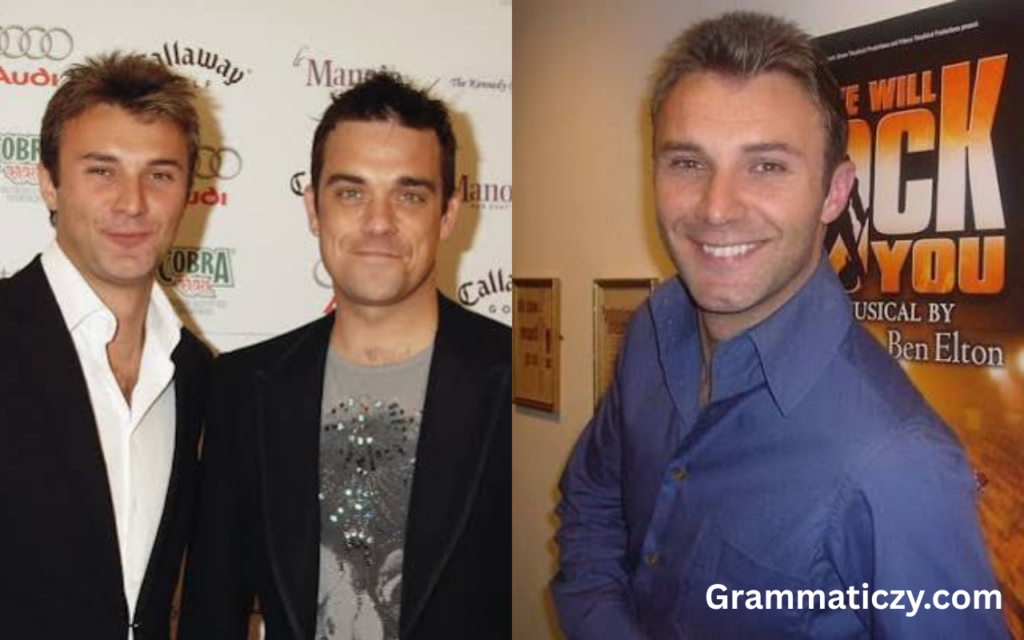
Jonathan Wilkes has built the kind of career that refuses to fit neatly into one profession. Long before audiences knew him as a television presenter, singer, actor or familiar face at major charity events, he was a young boy from Stoke-on-Trent who dreamed of becoming a professional footballer. His eventual journey took him in a completely different direction, from youth football to live entertainment, musical theatre, television presenting, chart music, charity work and performing-arts education. What makes his story particularly interesting is not simply the number of careers he has experienced, but the way each chapter helped prepare him for the next.
Born in Baddeley Green, Stoke-on-Trent, in 1978, Wilkes developed a reputation for energy, confidence and versatility. His early football ambitions eventually gave way to singing and performing after he discovered an unexpected strength in his voice as a teenager. From there, he earned recognition as a young entertainer, became a Blackpool headliner, moved into television, released a UK chart single and appeared in major stage productions. He also became closely associated with Robbie Williams, a childhood friend whose own extraordinary music career would run alongside Wilkes’ journey.
Yet perhaps the most important part of Jonathan Wilkes’ story is what happened after he had already achieved fame. Instead of simply continuing to chase television appearances and stage roles, he moved increasingly toward building something that could outlast an individual performance. His involvement in Soccer Aid and his work with the Wilkes Academy allowed him to combine entertainment with charity and education. In 2026, Soccer Aid celebrated its 20th anniversary and raised more than £16.4 million in its latest event, illustrating how far the charitable project has developed since its beginnings.
Jonathan Wilkes Early Life and Family Background
Jonathan Wilkes was born on August 1, 1978, in Baddeley Green, Stoke-on-Trent, Staffordshire, England. His roots in the Potteries have remained an important part of his identity throughout his career. Even after moving into national television and becoming a familiar face in British entertainment, he continued returning to Stoke-on-Trent for live theatre and pantomime performances. Staffordshire University has described him as one of the area’s famous sons and highlighted the pride he has shown in his hometown.
Sport played a major role in Wilkes’ childhood. Football was initially more than a hobby; it was the career he imagined for himself. He was involved with youth football and eventually played for Everton’s youth setup until the age of 15. His early sporting experience gave him exposure to competition, teamwork and performance under pressure, qualities that later proved surprisingly useful when he entered the entertainment industry. His career therefore did not begin with a carefully planned decision to become famous; instead, it developed through a series of changes in direction.
The turning point came during his teenage years when Wilkes discovered that he possessed a stronger singing voice than he had previously realised. He has explained that having his tonsils removed at around 15 helped him discover his vocal ability, after which singing gradually became more important to him. His first stage experience came through amateur theatre in Burslem, and the excitement of performing eventually became strong enough to compete with his original football ambitions. That early willingness to try something unfamiliar became one of the defining characteristics of his later career.
Jonathan Wilkes Education and First Steps Into Entertainment
Unlike many performers who follow a conventional performing-arts education before entering the industry, Wilkes has described his own training as largely practical. His early experience involved getting on stage, learning through performance and dealing directly with the pressure of entertaining an audience. In later comments, he acknowledged that formal performing-arts colleges can offer valuable training, but he believed that being thrown into live performance gave him a different kind of education.
A major breakthrough arrived in 1996 when Wilkes won the Cameron Mackintosh Young Entertainer of the Year Award. The competition gave the young performer an opportunity to establish himself professionally, and he subsequently became a headliner at Blackpool Pleasure Beach. According to an interview with Wilkes, he was only 17 when he began performing his own show in Blackpool, working alongside dancers and performing numerous songs each night. It was an extraordinary responsibility for someone so young, but it gave him an intensive introduction to professional entertainment.
Those years in Blackpool helped transform Wilkes from an enthusiastic young singer into a professional entertainer who understood the demands of live audiences. He was not simply appearing for a few minutes at a time; he had to carry a full show and maintain energy repeatedly. That experience later became an advantage when he moved into television and musical theatre, where confidence, timing and audience connection are essential. His early career demonstrates that some of the most valuable professional lessons come from repeatedly doing the work rather than simply studying the theory behind it.
Jonathan Wilkes Television Career
After establishing himself as a live entertainer, Wilkes moved toward television and relocated to London. He was offered presenting work with BBC Choice, including Hype, giving him an opportunity to transfer his natural stage presence into a broadcast environment. Television required a different set of skills from live theatre, including working with cameras, producers, scripts and fast-changing production environments, but his experience in front of audiences gave him a strong foundation.
His television career expanded into mainstream entertainment programming. He became associated with You’ve Been Framed! and appeared across programmes including The Match, All Star Cup and Soccer Aid. He also made appearances connected with Ant & Dec’s Saturday Night Takeaway. These projects helped establish him as a versatile British television personality who could work across comedy, entertainment, sport and live-event programming.
The appeal of Wilkes as a television personality came partly from his ability to combine several sides of his background. He understood football because he had played it, understood music because he was a singer, understood live performance because of his stage career and understood audiences because he had spent years entertaining them. Instead of being limited to one specialist area, he could move comfortably between different entertainment formats. That versatility became one of the strongest foundations of his longevity.
Jonathan Wilkes Music Career and “Just Another Day”
Music became another important chapter in Jonathan Wilkes’ career after his television breakthrough. He signed a record deal with Innocent Records and released his debut single, “Just Another Day,” in 2001. The song became a genuine UK chart success, reaching No. 24 on the Official Singles Chart. That achievement gave Wilkes credibility as a recording artist rather than simply a television personality who had decided to release a song.
The success of the single also allowed Wilkes to perform in some prestigious settings. One of the most memorable moments came when he appeared at the Royal Albert Hall alongside his longtime friend Robbie Williams. Their shared performance became an important part of Wilkes’ musical story and reflected the unusual path his childhood friendship had taken. Two boys who had grown up together in Stoke-on-Trent were now performing on one of Britain’s most famous stages.
Although his recording career did not develop into the kind of long-term pop career achieved by Williams, the experience was still valuable. It demonstrated that Wilkes could move successfully between different branches of entertainment without losing his identity. The chart success, television work and stage career all became pieces of a broader professional profile. Rather than relying on one hit song, he continued developing his career through live performance, presenting and theatre.
Jonathan Wilkes Musical Theatre Career
Musical theatre eventually became one of the most important and enduring areas of Wilkes’ professional life. His credits include productions such as The Rocky Horror Show, Grease, Guys and Dolls, We Will Rock You and Chicago. These roles allowed him to combine the skills he had developed as a singer, actor and live entertainer, while also giving him opportunities to perform in front of theatre audiences across the country.
His stage work also demonstrated his willingness to take on very different characters. From the outrageous Frank-N-Furter in The Rocky Horror Show to roles in major commercial musicals, he has repeatedly moved between comedy, music and dramatic performance. Theatre demands consistency because performers must deliver the same energy and quality repeatedly, often over long runs. Wilkes’ continued presence in musical theatre suggests that his early live-performance training in Blackpool remained an important part of his professional toolkit.
Pantomime has also become a particularly strong connection between Wilkes and his hometown. He regularly returns to Stoke-on-Trent for seasonal productions, including shows at the Regent Theatre. Staffordshire University notes that he has appeared in productions such as Cinderella, Aladdin and Snow White, and his continuing relationship with local theatre has helped maintain a direct connection with the community where his story began.
Jonathan Wilkes and Robbie Williams Friendship
Jonathan Wilkes’ friendship with Robbie Williams is one of the most recognisable relationships associated with his public life, but it began long before either man became famous. The two were connected through their Stoke-on-Trent upbringing and remained friends as their respective careers developed. Williams became an international superstar, while Wilkes established himself across television, theatre and entertainment, creating two very different but closely connected career paths.
Their friendship has also included professional collaborations. Wilkes performed alongside Williams at the Royal Albert Hall and became involved in several football and charity projects connected to his friend. Their shared background in Stoke-on-Trent gave them a connection that extended beyond the entertainment industry. Wilkes has often spoken positively about their friendship, and the relationship has remained a recurring part of public interest in his life.
At the same time, it would be unfair to define Wilkes entirely through his friendship with one of Britain’s biggest pop stars. His own résumé includes television presenting, chart music, major theatre productions, charity work and education. In fact, the longevity of his career demonstrates that he developed a professional identity of his own. His friendship with Williams is an important chapter, but it is only one chapter in a much larger story.
Jonathan Wilkes and Soccer Aid for UNICEF
Soccer Aid is arguably the project that most clearly combines Wilkes’ football background with his entertainment career. The charity football event was created in 2006 and brought celebrities and professional footballers together to raise money for UNICEF. The concept combined the enormous public appeal of football with entertainment and fundraising, creating a format that could attract both sports fans and television audiences.
Over two decades, Soccer Aid has grown dramatically. The official organisation describes it as the world’s biggest celebrity charity football match, and by 2026 the event had raised more than £137 million for UNICEF since its creation. The 2026 match at London Stadium marked the 20th anniversary and attracted more than 60,000 fans, while the latest event alone raised £16,462,353.
For Wilkes, Soccer Aid represents a particularly meaningful combination of his childhood interests and professional experience. Football was the career he once wanted, while entertainment became the profession he ultimately pursued. Soccer Aid effectively brought those two worlds together for a charitable purpose. The money raised supports UNICEF programmes involving areas such as healthcare, nutrition, education, protection and support for children affected by crises around the world.
- Football: connects directly with Wilkes’ childhood sporting ambitions.
- Entertainment: brings celebrities, musicians, actors and television personalities into the event.
- Charity: transforms public attention into financial support for children worldwide.
Jonathan Wilkes and the Wilkes Academy
One of the biggest developments in Wilkes’ later career was the creation of the Wilkes Academy of Performing Arts with his wife, Nikki. The academy became a way for him to move beyond performing and begin helping the next generation of actors, singers and dancers prepare for professional careers. Today, the academy describes itself as one of the country’s leading performing-arts colleges, with a mission centred on professional training and education.
The school brings together experienced teachers from the performing-arts industry, including West End performers, directors, choreographers and academics. This approach reflects something Wilkes himself learned during his own career: professional success requires more than raw talent. Students need technical ability, discipline, confidence, performance experience and an understanding of how the entertainment industry actually operates.
The academy may ultimately become one of Wilkes’ most lasting contributions. A television appearance has a limited lifespan, and even a successful theatre performance eventually closes, but education can create a continuing chain of influence. Every student who leaves the academy and develops a professional career carries some part of that training into the wider entertainment industry. In that sense, Wilkes has gradually moved from being simply a performer to becoming someone who helps develop performers.
Jonathan Wilkes Wife, Children and Family Life
Jonathan Wilkes married Nikki Wheeler in 2004, and their relationship has remained an important part of his personal and professional life. The couple’s partnership extends beyond family responsibilities because Nikki is also closely involved with the Wilkes Academy. The academy’s current information identifies her as Director and Principal, while Jonathan is listed as Owner and Director.
The couple have two sons, Mickey and Ralph. Mickey was born in 2006, while Ralph was born in 2017, according to biographical reporting. Their family life has existed alongside Wilkes’ demanding schedule of television work, theatre performances, charity commitments and academy responsibilities. Maintaining that balance can be challenging for anyone in entertainment, particularly when live performances require travel and long working hours.
Family has therefore remained a quieter but important part of Wilkes’ story. While much of his public identity is built around energy, humour and performance, his life away from the stage has involved the responsibilities of marriage and parenthood. His ability to continue working across several areas while developing a family business with Nikki reflects another side of his personality: the entertainer who gradually became an entrepreneur and mentor.
Jonathan Wilkes Net Worth and Sources of Income
Jonathan Wilkes’ exact personal wealth is not publicly verified, so any online net-worth figure should be treated as an estimate rather than an established fact. Some recent websites have placed his net worth around $10 million, but there is no publicly available audited statement confirming that amount. A more responsible assessment is that his income has been built over decades through several professional activities rather than one single source.
His potential income streams have included television presenting, theatre performances, musical productions, music recordings, live entertainment, production work and his involvement with the Wilkes Academy. His long career means that these sources have accumulated over many years, while his business involvement gives him a professional interest beyond traditional performer fees. This diversification is important when considering how entertainers build financial stability over the long term.
The Wilkes Academy is particularly relevant because it gives Wilkes an ongoing role within the education sector rather than making him dependent entirely on appearances. The academy continues to operate as a professional performing-arts college, offering specialist training and working with experienced industry professionals.
Jonathan Wilkes Social Media and Public Image
Wilkes has maintained a public presence through social media, particularly X/Twitter, where the handle @Jonny_Wilkes has been associated with his entertainment and Soccer Aid activities. His online identity reflects the different sides of his career, including football, television, theatre, charity and the Wilkes Academy. Rather than presenting himself exclusively as a celebrity, his public image has increasingly included his roles as an educator and charity figure.
Social media also gives Wilkes a way to maintain the connection with audiences that has always been central to his career. His background was built around direct interaction with crowds, whether on a Blackpool stage, in a theatre, on television or through charity football. Digital platforms simply provide another environment in which that relationship can continue.
His public persona has remained strongly connected to his hometown, football and entertainment. That consistency is valuable because it makes his career feel authentic rather than manufactured around a single trend. Even as the entertainment industry has changed dramatically, Wilkes has continued drawing on the same core interests that shaped his early life.
Jonathan Wilkes Career in 2026 and Recent Developments
Jonathan Wilkes remains connected to performing-arts education through the Wilkes Academy, which continues to operate as a major professional training institution. Its current website describes a faculty involving leading West End performers, directors, choreographers and senior academics, showing how the organisation has developed beyond a small personal project into a substantial educational operation.
Soccer Aid also reached a major milestone in 2026. The 20th-anniversary match took place at London Stadium on May 31, with England defeating the Soccer Aid World XI 3–2. The event raised a record £16,462,353 on the night, taking the overall amount raised since Soccer Aid began beyond £137 million.
These developments demonstrate that Wilkes’ career is no longer defined solely by what he personally performs on stage or television. His most significant current contributions are increasingly connected to projects and institutions that involve many other people. Whether through young performers training at the academy or children benefiting from UNICEF fundraising, the reach of his work has become considerably broader than his early career could have suggested.
Jonathan Wilkes Legacy and Lasting Influence
The most remarkable feature of Jonathan Wilkes’ career is its ability to evolve. He started with a football dream, discovered singing, became a professional stage entertainer, moved into television, recorded music, performed in major musicals, helped create a global charity event and eventually built a performing-arts academy. Each change could have represented an ending, but Wilkes repeatedly turned one experience into the foundation for another.
His story also offers a useful lesson about the meaning of success. Becoming famous is often treated as the ultimate goal in entertainment, but Wilkes’ later career suggests that influence can become more valuable than visibility. Training young performers and contributing to a charity that has raised more than £137 million for UNICEF arguably gives his work a significance that extends well beyond television ratings or chart positions.
Jonathan Wilkes’ journey from Stoke-on-Trent football hopeful to entertainer, presenter, singer, actor, producer, charity organiser and performing-arts educator is ultimately a story about adaptability. He did not achieve his childhood football dream in the conventional sense, but he found another way to keep football in his life through Soccer Aid. He did not become a long-term pop superstar, but he built a successful career across theatre and television. And rather than simply looking back on his achievements, he has invested in helping others build careers of their own. As Jonathan Wilkes continues to develop his work in entertainment, education and charity, his story remains a powerful reminder that changing direction does not mean giving up on success—it can mean discovering a much bigger version of it.