
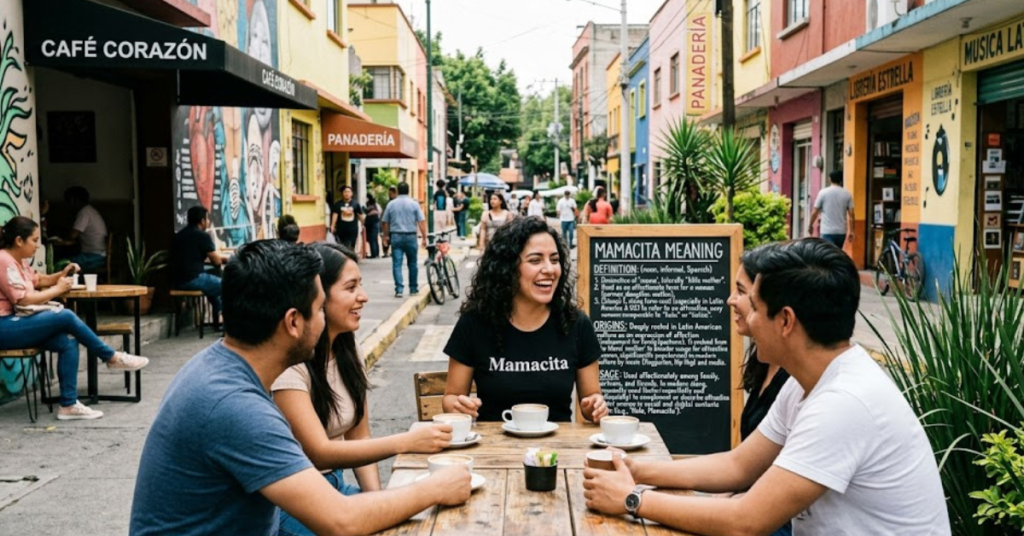
Have you ever heard someone say “mamacita” in a movie, song, or casual conversation and wondered what it actually means? While the word is widely recognized, its meaning can vary depending on the context, culture, and tone in which it’s used.
Understanding the mamacita meaning goes beyond a simple translation. It involves language, cultural nuances, social perceptions, and modern usage across Spanish-speaking communities. In this guide, you’ll learn the definition of mamacita, where it comes from, how native speakers use it, and when it may or may not be appropriate to say.
What Does Mamacita Mean?
The word mamacita is a Spanish term that literally translates to “little mama” or “little mother.”
However, in everyday conversation, it is rarely used in its literal sense. Instead, it is commonly used as a term of affection, admiration, or attraction toward a woman.
Depending on the context, mamacita can mean:
- Beautiful woman
- Attractive lady
- Sweetheart
- Darling
- Babe
- Sexy woman
The intended meaning often depends on who is speaking, their relationship with the person, and the cultural setting.
Literal Translation
The word is formed from:
- Mamá = Mom or mother
- -cita = A diminutive suffix expressing affection or smallness
Together, mamacita literally means “little mama” or “dear mama.”
In Spanish, diminutives are commonly used to add warmth, affection, or familiarity to a word.
The Origin of the Word Mamacita
The term originated in Spanish-speaking cultures, particularly throughout Latin America and parts of the Caribbean.
Spanish frequently uses affectionate suffixes such as:
- -ito
- -ita
- -cito
- -cita
Examples include:
| Word | Meaning |
| Casa | House |
| Casita | Little house |
| Mamá | Mom |
| Mamacita | Dear mom / little mama |
Over time, mamacita evolved beyond its literal meaning and became a colloquial expression used to compliment women.
How Mamacita Is Used Today
Modern usage varies significantly depending on the country and social situation.
As a Term of Affection
Among family members or romantic partners, mamacita can be an affectionate nickname.
Examples:
- “Hola, mamacita. ¿Cómo estás?” (Hi, sweetheart. How are you?)
- “Buenas noches, mamacita.” (Good night, darling.)
In these cases, the term is generally warm and loving.
As a Compliment
Many people use mamacita to express admiration for a woman’s appearance.
Examples:
- “Ella es una mamacita.” (She is very attractive.)
- “Mira esa mamacita.” (Look at that beautiful woman.)
This usage is common in popular culture, music, and informal conversation.
In Popular Culture
The word frequently appears in:
- Latin music
- Reggaeton songs
- Hip-hop lyrics
- Movies
- Television shows
- Social media content
Because of its widespread use in entertainment, many non-Spanish speakers recognize the term even if they don’t fully understand its meaning.
Is Mamacita a Compliment or an Insult?
This is where cultural context becomes important.
When It’s Considered Positive
Mamacita is often viewed positively when:
- Used between romantic partners
- Spoken affectionately among friends
- Given as a respectful compliment
- Used playfully in familiar relationships
In these situations, it typically conveys admiration or affection.
When It Can Be Offensive
The term may be perceived negatively when:
- Directed at strangers
- Used as a catcall
- Spoken in a disrespectful tone
- Intended to objectify someone
What one person considers flattering, another may find uncomfortable or inappropriate.
As with many expressions involving appearance, context matters greatly.
Mamacita Meaning in Different Spanish-Speaking Countries
Although the general meaning remains similar, regional interpretations can differ.
Mexico
In Mexico, mamacita often refers to an attractive woman and may be used playfully among friends or couples.
Colombia
The term is commonly used as a compliment and can carry a strong sense of admiration.
Puerto Rico
Mamacita frequently appears in everyday speech, music, and popular culture as a flirtatious expression.
Dominican Republic
The word may be used affectionately or romantically, depending on the speaker and context.
United States Latino Communities
Within bilingual communities, mamacita often blends Spanish and English usage and is commonly heard in music, entertainment, and casual conversation.
Mamacita vs. Mamita: What’s the Difference?
Many people confuse these two terms because they sound similar.
| Term | Meaning | Typical Use |
| Mamacita | Attractive woman, sweetheart, darling | Romantic or complimentary |
| Mamita | Mommy, sweetheart, dear | More affectionate and nurturing |
Mamita
Often carries a softer, more affectionate tone.
Example:
- “Gracias, mamita.” (Thank you, sweetheart.)
Mamacita
Usually emphasizes attractiveness or admiration.
Example:
- “Eres una mamacita.” (You’re gorgeous.)
Why Is Mamacita So Popular in Music?
One reason the word gained international recognition is its frequent appearance in songs.
Artists often use it because:
- It sounds catchy
- It conveys admiration
- It fits romantic themes
- It is widely understood across cultures
Genres where the term frequently appears include:
- Reggaeton
- Latin pop
- Salsa
- Hip-hop
- Urban Latin music
The popularity of Latin music worldwide has helped introduce the word to millions of listeners.
When Should You Use the Word Mamacita?
If you’re learning Spanish or interacting with Spanish-speaking communities, it’s important to understand appropriate usage.
Good Situations
- Speaking with a romantic partner
- Using it playfully with someone who appreciates it
- Referring to a song lyric or cultural reference
- In familiar, respectful conversations
Situations to Avoid
- Calling strangers mamacita
- Professional environments
- Formal conversations
- Situations where the person may feel objectified
A good rule of thumb is to consider how well you know the person and whether the term would be welcomed.
Common Misconceptions About Mamacita
It Doesn’t Literally Mean “Sexy Woman”
Although often used this way, the literal translation is closer to “little mama.”
Not Every Spanish Speaker Uses It
Language varies widely across Spanish-speaking countries. Some people use the term frequently, while others rarely say it.
Context Changes Everything
The same word can sound affectionate, playful, romantic, or disrespectful depending on the situation.
Key Takeaways
- Mamacita literally means “little mama” or “dear mama.”
- It is commonly used as a term of affection or admiration.
- The expression often refers to an attractive woman.
- Cultural and regional differences influence how it is perceived.
- It can be positive or offensive depending on context and tone.
- The term is especially popular in music, entertainment, and casual conversation.
Frequently Asked Questions
What is the exact mamacita meaning in English?
The literal translation is “little mama” or “dear mama.” In everyday use, it often means sweetheart, babe, or an attractive woman.
Is mamacita a compliment?
Yes, it is often intended as a compliment. However, whether it is received positively depends on the relationship and context.
Is it okay to call someone mamacita?
It can be appropriate among romantic partners or close acquaintances. Using it with strangers may come across as disrespectful or overly familiar.
What is the difference between mamacita and mamita?
Mamita is generally more affectionate and nurturing, while mamacita often emphasizes attractiveness or admiration.
Is mamacita used in all Spanish-speaking countries?
The term is understood across many Spanish-speaking regions, but its popularity and usage vary from country to country.
Why do songs use the word mamacita so often?
Musicians use it because it sounds appealing, expresses admiration, and is easily recognized by Spanish-speaking and international audiences alike.
Conclusion
The mamacita meaning extends far beyond its literal translation of “little mama.” In modern Spanish, it often serves as a term of affection, admiration, or attraction, though its interpretation depends heavily on context and culture.
Whether you encounter the word in a conversation, a movie, or a popular song, understanding its cultural background helps you appreciate its true meaning. By using the term thoughtfully and respectfully, you can better navigate Spanish-language expressions and communicate with greater cultural awareness.