Few things ruin a backyard barbecue faster than a swarm of mosquitoes or a trail of ants marching across the patio table. Most homeowners reach for the nearest can of bug spray the moment they spot a pest, and for good reason. It’s fast, affordable, and widely available. But does it actually solve the problem, or does it just mask it for a few hours?
This is one of the most common questions we hear at Bingham Pest Control. Homeowners want to know whether store-bought solutions are enough, or whether they need something more comprehensive to truly protect their homes. The short answer: bug spray has its place, but it’s rarely a long-term fix.
In this post, we’ll break down how bug spray works, where it falls short, and what a more complete approach to pest control looks like. By the end, you’ll understand why so many homeowners eventually turn to professional pest management for lasting peace of mind.
How Does Bug Spray Actually Work?
Most bug sprays rely on chemical compounds like pyrethroids or DEET to repel or kill insects on contact. When you spray a doorway, windowsill, or baseboard, you’re creating a temporary barrier that insects either avoid or die from when they cross it.
This works well for immediate, visible threats. See a wasp buzzing near your porch? A quick spray can knock it down in seconds. Notice ants trailing into your kitchen? A can of insecticide might clear them out for the afternoon.
The issue is that this protection doesn’t last. Most sprays break down within days, especially when exposed to sunlight, rain, or regular cleaning. And because sprays only treat what you can see, they do nothing for the nests, colonies, or breeding grounds hiding behind your walls, under your foundation, or in your yard.
Why Pests Keep Coming Back
If you’ve ever sprayed a problem away only to see it return a week later, you’re not alone. This is one of the most frustrating parts of DIY pest control, and it comes down to three main reasons:
You’re treating symptoms, not sources. Spraying visible pests doesn’t address the colony, nest, or entry point responsible for the infestation. Ants will keep finding their way in as long as their nest remains undisturbed nearby.
Pests build resistance. Over time, repeated exposure to the same active ingredients can make certain insect populations less responsive to over-the-counter treatments, especially with pests like cockroaches and bed bugs.
Spraying misses hidden entry points. Pests often enter homes through gaps around pipes, vents, or foundation cracks that are easy to overlook. Without a professional inspection, these openings often go unnoticed until the problem worsens.
This cycle of temporary relief followed by renewed infestations is exactly why many homeowners eventually look for a more thorough, long-term solution.
What Makes Professional Pest Control Different?
Unlike a single application of spray, professional pest control takes a strategic, multi-step approach designed to address the full scope of an infestation rather than just the pests you can see.
A Thorough Inspection Comes First
Before any treatment begins, a trained technician inspects your home to identify entry points, nesting areas, and the specific type of pest you’re dealing with. This matters because different pests require different treatment methods. What works for carpenter ants won’t necessarily work for termites or spiders.
Targeted, Long-Lasting Treatments
Rather than relying on one broad chemical spray, professionals use a combination of methods tailored to the pest and location. This might include baiting systems, barrier treatments around the home’s perimeter, and targeted applications in high-risk areas like attics, crawl spaces, and foundations.
Ongoing Prevention, Not Just Reaction
Perhaps the biggest difference is the focus on prevention. Professional pest control isn’t just about eliminating today’s problem. It’s about sealing entry points, monitoring for early signs of new activity, and scheduling regular visits to keep pests from returning season after season.
Common Pests That Need More Than a Quick Spray
Some pests are particularly resistant to DIY treatments and tend to require a more comprehensive approach:
- Termites: Often invisible until significant structural damage has already occurred.
- Bed bugs: Known for hiding deep in furniture and resisting surface-level treatments.
- Carpenter ants: Capable of establishing satellite nests that are easy to miss.
- Rodents: Require exclusion methods, not just chemical treatments.
- Wasps and hornets: Can be dangerous to approach without proper protective equipment.
If you’re dealing with any of these, a quick trip to the hardware store likely won’t be enough to fully resolve the issue.
How to Know When It’s Time to Call a Professional
Not every pest sighting requires a service call. An occasional ant on the kitchen counter or a spider in the garage is usually nothing to worry about. However, there are a few signs that suggest it’s time to bring in an expert:
- You’ve tried store-bought treatments multiple times without lasting results.
- You’re noticing pests in multiple rooms or areas of your home.
- You see physical signs of damage, like wood shavings, droppings, or chewed wiring.
- You’re dealing with pests known for structural or health risks, like termites or bed bugs.
If any of these sound familiar, it may be time to move beyond spot treatments and invest in a more reliable solution.
Protecting Your Home for the Long Run
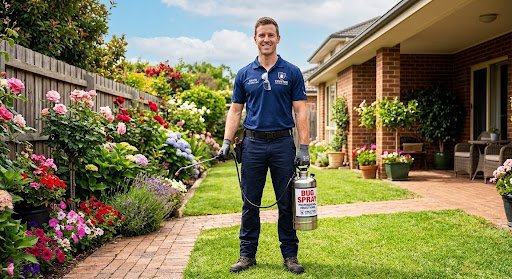
A reliable, long-term solution that keeps pests from returning season after season starts with choosing the right approach for your specific situation. While a can of Bug Spray can handle the occasional unwanted visitor, it was never designed to solve ongoing infestations or protect your home against future problems.
At Bingham Pest Control, our team takes the time to understand exactly what’s happening in and around your home before recommending a treatment plan. We don’t just address what’s visible today, we work to identify the root cause so you can enjoy a pest-free home well into the future.
If you’ve been relying on sprays and traps without seeing lasting results, it might be time for a different approach. A thorough inspection and customized treatment plan can save you time, money, and frustration in the long run, while giving you the confidence that your home is truly protected.
Final Thoughts
Bug spray can be a helpful tool for quick, in-the-moment pest problems, but it’s rarely a complete solution. If pests keep returning no matter how many cans you go through, it’s a sign that something bigger is going on beneath the surface.
Investing in professional pest control doesn’t just eliminate the pests you can see. It protects your home from the ones you can’t, giving you lasting peace of mind rather than a short-term fix.
Ready to stop the cycle of temporary relief? Reach out to Bingham Pest Control today to schedule an inspection and find out what a long-term pest solution can look like for your home.
FAQ
How often should I treat my home for pests?
Most homes benefit from quarterly pest control treatments, though this can vary depending on your location, climate, and the specific pests common in your area.
Is professional pest control safe for pets and children?
Yes. Licensed pest control professionals use products and methods designed to be safe for households when applied correctly, and they can walk you through any necessary precautions.
Can I combine store-bought bug spray with professional treatments?
In most cases, yes, though it’s best to consult with your pest control provider first to avoid interfering with ongoing treatments or baiting systems.