
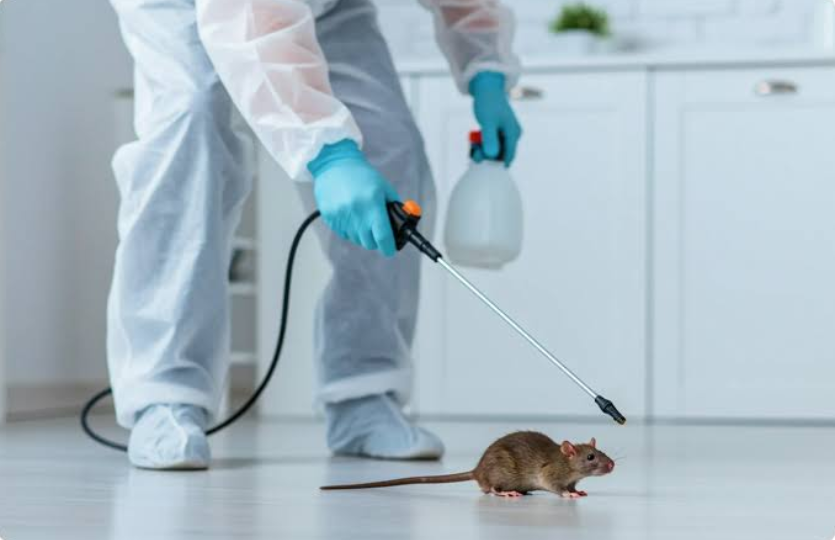
Nothing disrupts the comfort of a home faster than the scurry of tiny feet in the walls or the discovery of chewed wires in the attic. Rodents are persistent, resourceful, and shockingly good at finding their way indoors, especially as the seasons change and they search for warmth, food, and shelter. For homeowners, this isn’t just an inconvenience; it’s a genuine threat to health, property, and peace of mind.
At Twin Home Rodent Control, we understand how stressful it can be to discover signs of an infestation. Droppings in the pantry, gnaw marks on baseboards, or strange noises at night are more than just unsettling; they’re warning signs that shouldn’t be ignored. The good news is that with the right approach, rodent problems can be solved quickly and prevented from coming back.
This post walks through why rodent infestations happen, the risks they pose, and how a proactive, professional strategy can protect your home for the long haul.
Why Do Rodents Invade Homes in the First Place?
Mice and rats are opportunists. They’re drawn to homes that offer three things: food, water, and shelter. A home doesn’t need to be messy or poorly maintained to attract rodents; even the cleanest houses can become targets if there’s an accessible entry point.
Common attractants include:
- Exposed food sources, such as pet food left out overnight or unsealed pantry items
- Cluttered storage areas, like garages and basements, that provide hiding spots
- Gaps and cracks in foundations, vents, or around utility lines
- Overgrown landscaping that creates a bridge between the outdoors and your home’s exterior
Rodents are also incredibly adaptable. A mouse can squeeze through a gap as small as a dime, while rats can fit through openings slightly larger than a quarter. This means even minor structural gaps can become major entry points if left unaddressed.
The Hidden Risks of a Rodent Infestation
Many homeowners underestimate just how much damage rodents can cause until it’s too late. Beyond the obvious “”ick factor,”” rodents pose real risks to both health and property.
Health Concerns
Rodents are known carriers of bacteria, viruses, and parasites. Their droppings and urine can contaminate food preparation surfaces, and in some cases, trigger allergic reactions or asthma symptoms, particularly in children. Certain rodent-borne illnesses, like hantavirus, can even pose serious health risks when droppings are disturbed and inhaled.
Property Damage
Mice and rats don’t just hide in your home; they chew through it. Wiring, insulation, drywall, and even plumbing can all fall victim to their constant need to gnaw, which helps keep their teeth from growing too long. In the worst cases, chewed electrical wiring has been linked to house fires, making rodent activity a safety hazard as well as a nuisance.
Fast-Growing Populations
Rodents reproduce at an alarming rate. A single female mouse can produce multiple litters per year, with each litter containing several pups. What starts as one or two unwelcome guests can quickly multiply into a full-blown infestation if left unchecked.
Why DIY Solutions Often Fall Short
It’s tempting to reach for a store-bought trap or a bottle of repellent at the first sign of rodent activity. While these methods might offer temporary relief, they rarely solve the underlying problem.
DIY approaches often fail because they:
- Address symptoms rather than the root cause of the infestation
- Miss hidden nests or entry points that continue to let rodents in
- Lack the long-term monitoring needed to confirm the problem is fully resolved
- Can pose safety risks, especially when using chemical baits around children or pets
A professional approach examines the entire property, not just the areas where activity has been spotted, ensuring that every potential entry point and nesting site is identified and addressed.
What to Expect From a Professional Rodent Control Service
A thorough rodent control plan isn’t a one-size-fits-all treatment. It’s a tailored process designed to eliminate current activity while preventing future problems.
Inspection and Assessment
The process typically begins with a detailed inspection of the home’s interior and exterior. This includes checking crawl spaces, attics, foundations, and areas around utility lines for signs of rodent activity, droppings, nesting materials, or structural gaps.
Exclusion and Sealing
Once entry points are identified, sealing them off is one of the most important steps in preventing re-infestation. This may involve sealing gaps around pipes, vents, and foundation cracks with rodent-proof materials designed to withstand gnawing.
Trapping and Removal
Depending on the severity of the infestation, a combination of trapping methods may be used to remove existing rodents safely and effectively. Professional-grade equipment and placement strategies are far more effective than store-bought alternatives.
Ongoing Monitoring
Rodent control isn’t always a single visit and done. Many effective plans include follow-up visits to confirm that the infestation has been fully resolved and that no new activity has emerged.
Protecting Your Home for the Long Term
Comprehensive, long-lasting protection from unwanted rodent activity starts with professional rodent control that goes beyond quick fixes to address the root cause of infestations. At Twin Home Rodent Control, our approach focuses on identifying exactly how rodents are getting in, removing current populations safely, and sealing up vulnerabilities so the problem doesn’t return season after season.
Every home is different, which is why a customized plan matters. Older homes may have more structural gaps to address, while newer homes might be more vulnerable around utility entry points. Whatever the situation, a tailored strategy ensures the solution fits the specific needs of the property, not a generic checklist.
Homeowners who invest in professional rodent control often find it saves them money in the long run. Preventing damage to wiring, insulation, and structural components can avoid costly repairs down the road, while reducing health risks for the whole family.
Taking the Next Step Toward a Rodent-Free Home
Rodent infestations rarely resolve themselves. The longer they’re left unaddressed, the more opportunity they have to multiply, cause damage, and create health hazards. Recognizing the early warning signs, and acting on them quickly, is the best way to protect your home and family.
If you’ve noticed droppings, gnaw marks, or strange sounds coming from your walls, now is the time to take action. A professional inspection can identify the full scope of the problem and set your home on the path toward lasting protection. Reach out to Twin Home Rodent Control today to schedule an assessment and take the first step toward a safer, rodent-free home.