
Running a fleet, job site, or facility comes with enough challenges without having to worry about keeping equipment fueled. Yet for many businesses, fuel logistics remain an afterthought until a truck runs dry or a generator stalls mid-project. That’s where a smarter approach comes in — one that brings the fuel directly to you instead of sending your team chasing it down.
Across construction, transportation, agriculture, and emergency services, companies are rethinking how they source diesel and gasoline. Instead of relying on gas station runs or managing unpredictable supply chains, they’re turning to a service model built around convenience, consistency, and safety. Fuel Logic has built its business around exactly this shift, helping organizations of every size keep their operations fueled without the usual hassle.
This post breaks down what on-site fuel delivery actually involves, why it’s gaining traction, and how it can make a measurable difference for businesses that depend on heavy equipment, vehicles, or backup power.
What Does On-Site Fuel Delivery Actually Involve?
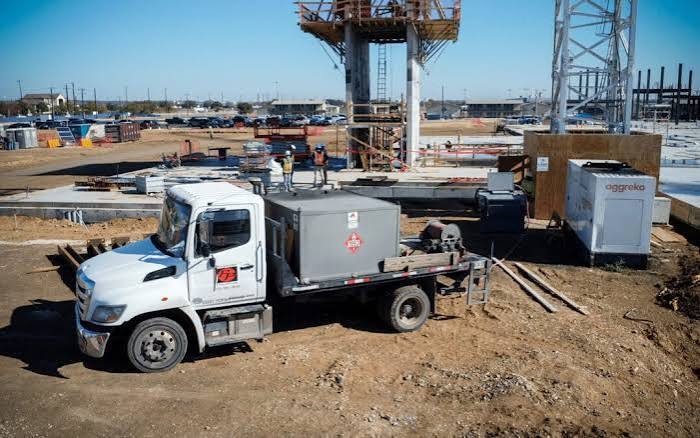
At its core, this service means fuel gets delivered directly to wherever your equipment or vehicles are located — a construction site, a warehouse yard, a farm, or a fleet depot. Instead of coordinating multiple trips to a fuel station, a dedicated delivery team brings diesel or gasoline straight to the source, often on a scheduled basis or through an on-demand request.
Fuel Logic coordinates deliveries using a network of trained drivers and tracked fuel trucks, ensuring that every gallon delivered is accounted for and documented. This isn’t just about dropping off fuel. It’s about building a reliable system that keeps your operation running smoothly, with reporting and accountability built into every delivery.
Why Are Businesses Moving Away from Traditional Fueling Methods?
Traditional fueling methods often introduce friction that most businesses don’t realize they’re absorbing until they calculate the true cost. Sending drivers off-site to fuel up means lost labor hours, increased vehicle mileage, and unpredictable downtime. For large equipment that can’t easily be moved, like generators or cranes, the challenge is even greater.
A few of the biggest pain points businesses report include:
- Lost productivity: Every minute spent driving to and from a fuel station is time not spent on the actual job.
- Equipment downtime: Heavy machinery sitting idle because it ran out of fuel can delay entire projects.
- Inconsistent fuel quality: Public fuel stations don’t always guarantee the same quality or supplier consistency that a dedicated provider can.
- Safety risks: Manually transporting fuel in containers introduces spill risks and OSHA compliance concerns.
By shifting to a delivery-based model, companies eliminate these recurring issues and free up their teams to focus on actual work rather than fuel logistics.
How Does This Improve Efficiency for Fleets and Job Sites?
Efficiency is where this service really earns its keep. When fuel comes to the equipment instead of the other way around, there’s no need to shut down operations or redirect staff. Deliveries can be scheduled overnight or during off-hours, so machinery is topped off and ready to go before the workday even begins.
This is especially valuable for industries where downtime translates directly into lost revenue. A construction company running multiple excavators and generators, for example, can keep every machine fueled without pulling a single operator away from their task. Fleet managers overseeing dozens of trucks can arrange deliveries at a central yard, cutting out individual fuel stops entirely.
Fuel Logic works with clients to design delivery schedules that match their specific operational rhythms, whether that means weekly top-offs, emergency same-day service, or fully automated tank monitoring that triggers a delivery before levels get too low.
What Role Does Safety and Compliance Play?
Fuel handling isn’t just a logistical concern. It’s a regulatory one. Businesses that store or transport fuel on their own are subject to a web of safety codes, environmental regulations, and insurance requirements. Mishandling fuel, even accidentally, can lead to costly fines or environmental cleanup expenses.
Professional fuel delivery providers carry the certifications, insurance, and trained personnel needed to handle fuel safely and in compliance with local and federal regulations. This takes a significant burden off business owners, who no longer need to manage fuel storage permits or worry about spill containment protocols on their own.
Fuel Logic’s drivers are trained specifically for safe fuel transport and delivery, which means clients can rely on consistent, compliant service without having to build that expertise in-house.
Who Benefits Most from This Kind of Service?
While nearly any business with fuel-dependent equipment can benefit, a few industries see particularly strong returns:
- Construction companies managing multiple job sites with heavy machinery
- Transportation and logistics fleets that need to minimize vehicle downtime
- Agricultural operations running tractors, irrigation pumps, and generators across large properties
- Event organizers powering temporary generators for festivals or large gatherings
- Emergency response teams that need guaranteed fuel access during critical situations
For these businesses, fuel isn’t a side concern. It’s a core part of daily operations, which makes consistent, dependable delivery a genuine operational advantage rather than a convenience.
How Does On-Site Delivery Support Long-Term Cost Savings?
On site fuel delivery removes the hidden costs that come with traditional fueling, from wasted labor hours to unnecessary vehicle mileage, giving businesses a clearer and more predictable picture of their fuel expenses over time. When fuel arrives on a dependable schedule, companies can better forecast budgets, reduce fuel theft risks associated with unattended storage tanks, and avoid the premium prices often charged at retail pumps for bulk purchases.
Over months and years, these savings add up. Businesses that switch to a delivery-based model often find that the service pays for itself through improved productivity alone, before even factoring in the reduced administrative burden of managing fuel logistics internally.
Keeping Operations Moving Without the Fuel Stress
Fuel shouldn’t be the reason a project stalls or a fleet sits idle. As more businesses recognize the operational and financial advantages of having fuel delivered directly to where it’s needed, this approach is shifting from a niche convenience to an industry standard.
Fuel Logic continues to help companies across construction, transportation, agriculture, and beyond simplify their fuel management with reliable, safety-compliant delivery tailored to their specific needs. If fuel logistics have been eating into your team’s time or budget, it may be worth exploring how a dedicated delivery partner could change that equation.