Few things affect daily life as quietly and constantly as the air circulating through your home. Temperature swings, stuffy rooms, and inconsistent airflow can turn a cozy space into an uncomfortable one, often without homeowners realizing the root cause. A well-maintained HVAC system does more than heat and cool a house. It shapes how every room feels, how energy bills add up, and how healthy the air truly is.
This post explores what makes a dependable HVAC partner so valuable, the everyday comfort issues a quality system solves, and why investing in professional care pays off for years to come.
Why Indoor Comfort Depends on More Than Just a Thermostat
Many homeowners assume that adjusting the thermostat is enough to control comfort. In reality, a home’s comfort level depends on airflow balance, humidity control, filtration, and the overall condition of the HVAC equipment. A system that’s aging, poorly maintained, or mismatched to a home’s size will struggle to keep temperatures steady, no matter how often the thermostat gets adjusted.
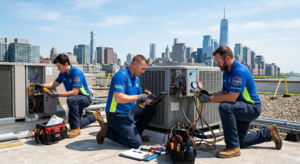
This is where professional insight matters. A trained technician can identify issues that aren’t obvious to the average homeowner, such as duct leaks, refrigerant imbalances, or airflow restrictions. Addressing these problems doesn’t just improve comfort. It also extends the lifespan of the equipment and reduces the likelihood of costly breakdowns.
The Hidden Cost of Delayed HVAC Maintenance
It’s tempting to ignore small HVAC issues until they become major ones. A slightly louder-than-usual furnace or an air conditioner that takes a bit longer to cool a room might seem minor, but these signs often point to developing problems.
Delayed maintenance tends to compound over time. A dirty filter forces the system to work harder, which increases energy consumption. A refrigerant leak left unresolved can damage the compressor, one of the most expensive components to replace. Regular inspections catch these issues early, preventing minor repairs from snowballing into full system replacements.
Routine maintenance also plays a direct role in indoor air quality. HVAC systems filter and circulate air throughout the home multiple times a day. When filters are clogged or ducts are dirty, dust, allergens, and particulates recirculate instead of being filtered out. For households with allergy sufferers or young children, this can make a noticeable difference in day-to-day comfort and health.
What to Look for in a Reliable HVAC Service Provider
Not all HVAC companies offer the same level of expertise or transparency. When evaluating a provider, homeowners should consider a few key factors:
- Licensing and certification: A qualified provider should hold the appropriate state licensing and industry certifications, ensuring technicians are trained on current equipment and safety standards.
- Transparent pricing: Clear, upfront estimates prevent surprise costs and help homeowners make informed decisions about repairs or replacements.
- Comprehensive services: The best providers handle everything from routine maintenance and repairs to full system installations, so homeowners don’t need to juggle multiple contractors.
- Responsive communication: HVAC issues can escalate quickly, especially during extreme weather. A provider that responds promptly and clearly explains the issue builds long-term trust.
These factors separate a dependable, long-term HVAC partner from a one-time service call.
How Seasonal Changes Affect HVAC Performance
HVAC systems work hardest during seasonal extremes, when temperatures swing from one end of the spectrum to the other. Summer heat pushes air conditioners to their limits, while winter cold puts similar strain on furnaces and heat pumps. These seasonal shifts make routine tune-ups especially valuable before the weather changes.
A pre-season inspection can catch wear and tear before it turns into an emergency repair. Checking refrigerant levels, inspecting electrical connections, and cleaning coils are simple steps that keep a system running efficiently when it’s needed most. Homeowners who schedule maintenance twice a year, once in spring and once in fall, typically experience fewer unexpected breakdowns and more consistent indoor comfort.
Making the Switch to a Trusted HVAC Partner
Breeze Air Quality delivers dependable heating, cooling, and air quality solutions built around each home’s unique needs. From routine maintenance to full system installations, the company’s licensed technicians focus on practical, long-lasting fixes rather than quick patches. Homeowners who switch to a provider with a proven track record often notice the difference immediately, with fewer surprise repairs, lower energy bills, and a home that simply feels more comfortable.
Choosing the right HVAC partner isn’t just about fixing what’s broken. It’s about preventing problems before they start and ensuring that every room in the house stays comfortable, no matter the season.
Breathing Easier Starts With the Right Partner
A well-functioning HVAC system is one of the most important investments a homeowner can make in daily comfort and long-term health. Regular maintenance, timely repairs, and a trustworthy service provider all work together to keep a home running smoothly year-round.
Homeowners who prioritize proactive care, rather than waiting for a breakdown, tend to save money, extend equipment lifespan, and enjoy consistently cleaner, more comfortable indoor air. The next step is simple: schedule an inspection, ask questions, and choose a provider who treats every home’s comfort as a priority.
Frequently Asked Questions
How often should an HVAC system be serviced?
Most HVAC systems benefit from two inspections a year, ideally in spring and fall, to prepare for seasonal temperature extremes and catch small issues early.
What are common signs that an HVAC system needs repair?
Unusual noises, inconsistent temperatures, rising energy bills, and weak airflow are all signs that a system may need professional attention.
Can poor HVAC maintenance affect indoor air quality?
Yes. Dirty filters and neglected ductwork can recirculate dust and allergens throughout a home, making regular maintenance important for both comfort and health.