
Members of Duran Duran: Their Lives, Careers, Music, and Lasting Legacy
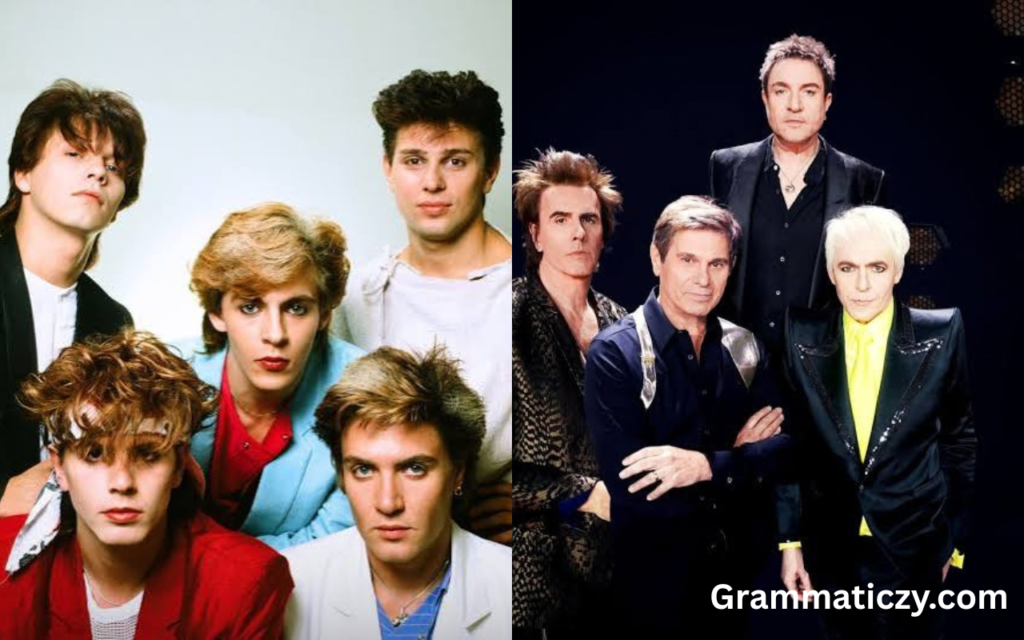
Few bands have traveled through as many eras of popular music while retaining such a recognizable identity as Duran Duran. What began in Birmingham in 1978 as an ambitious experiment involving synthesizers, bass, drums, guitars, fashion, and theatrical presentation eventually became one of the defining groups of the New Wave era. At the center of that remarkable journey are Simon Le Bon, Nick Rhodes, John Taylor, and Roger Taylor, four musicians whose different personalities and talents created a sound and visual identity that continues to evolve decades after the band’s formation.
Duran Duran’s story is much larger than its collection of famous 1980s hits. The band helped redefine what a pop group could look and sound like at a time when music videos were becoming increasingly important. Their sophisticated arrangements combined synthesizers with rock guitars, melodic bass, dance-oriented drumming and Simon Le Bon’s distinctive vocals. The Rock & Roll Hall of Fame describes the group as a combination of infectious pop melodies, complicated arrangements, pioneering synthesizers and glam-rock guitar, and inducted Duran Duran into the Hall of Fame in 2022.
More than four decades after their formation, the band is still active. In 2026, Duran Duran released the new single “Free To Love,” featuring longtime collaborator Nile Rodgers, while continuing a major international performance schedule. Their continued activity makes the biographies of the four core members particularly fascinating because each musician represents a different part of the band’s creative personality.
The Formation of Duran Duran and the Beginning of Something Extraordinary
The foundations of Duran Duran were laid in Birmingham in 1978 when Nick Rhodes and John Taylor began developing a new musical project. The city’s post-punk and emerging New Romantic environment provided an ideal setting for musicians who wanted to move beyond conventional guitar-rock formulas. Rhodes brought an interest in keyboards and electronic sounds, while Taylor initially explored guitar before becoming the bassist whose playing would become fundamental to the band’s identity.
The lineup developed as additional musicians joined the project. Roger Taylor became the drummer, while guitarist Andy Taylor eventually joined, creating the classic five-member configuration alongside Simon Le Bon. The Rock & Roll Hall of Fame’s historical account identifies Rhodes and John Taylor as the founding members and notes the later additions of Roger Taylor, Andy Taylor and Le Bon.
The band’s early development was shaped by an unusual combination of music and image. Duran Duran understood that a successful modern band did not necessarily have to choose between artistic credibility and glamorous presentation. They could have both. This philosophy would eventually become one of their greatest strengths, especially when the rise of MTV turned music videos into an essential part of an artist’s international identity.
Simon Le Bon: The Distinctive Voice of Duran Duran
Simon John Charles Le Bon was born on October 27, 1958, in Bushey, Hertfordshire, England. Unlike a vocalist who simply entered the music industry through a traditional rock route, Le Bon developed a background that included art and drama. His education and early performance experiences helped shape the theatrical quality that later became such an important component of Duran Duran’s live shows and videos.
Before joining the band, Le Bon had experience in theatre and performance, and he studied drama at the University of Birmingham. His artistic background gave him a different perspective from the musicians who had been building the instrumental side of Duran Duran. When he became the band’s vocalist in 1980, the combination proved transformative.
Le Bon’s contribution went beyond singing melodies. His vocal style became one of Duran Duran’s most recognizable characteristics, while his lyrics often introduced romantic, mysterious and cinematic imagery. The Rock & Roll Hall of Fame has highlighted the importance of Le Bon’s lyrical approach to the band’s identity, particularly in the development of songs that did not follow conventional pop storytelling.
Simon Le Bon’s Rise From Birmingham Musician to International Star
Joining Duran Duran gave Le Bon an opportunity to combine his interests in music, drama and visual performance. The band’s early singles established his voice as an important part of Britain’s emerging New Romantic movement, but the international success that followed quickly made him one of the most recognizable frontmen of the 1980s.
Songs including “Girls on Film,” “Rio,” “Hungry Like the Wolf,” “Save a Prayer,” “The Reflex,” and “Ordinary World” demonstrated different aspects of his vocal personality. He could sound energetic and playful on an upbeat dance track, but he could also deliver vulnerable and atmospheric performances on slower songs.
His stage presence became closely associated with Duran Duran’s visual identity. Le Bon’s combination of fashion, movement and theatrical performance made him especially suited to the emerging music-video era. Rather than simply standing in front of a microphone, he became part of the band’s cinematic presentation.
Nick Rhodes: The Electronic Architect
Nick Rhodes was born Nicholas James Bates on June 8, 1962, in Birmingham. His interest in keyboards and electronic music became central to Duran Duran’s sound, and his creative instincts helped push the band away from straightforward guitar-driven rock.
Rhodes was particularly interested in the possibilities offered by synthesizers and studio technology. At a time when electronic instruments were becoming increasingly accessible, he saw them not merely as replacements for traditional instruments but as tools for creating completely different sonic environments.
That approach became crucial to Duran Duran’s musical identity. Rhodes could create shimmering textures, atmospheric passages and dramatic electronic layers that gave songs such as “Rio” and “The Reflex” their distinctive character. His contribution helped establish the band’s connection to synth-pop while still allowing the group to retain rock elements.
Nick Rhodes and the Visual World of Duran Duran
Rhodes’ influence was not restricted to music. He developed a strong interest in photography, fashion, art and visual presentation, and these interests became part of Duran Duran’s overall creative philosophy.
The band’s music videos were frequently treated as major artistic projects rather than simple promotional clips. Exotic locations, elaborate clothing and cinematic storytelling helped create an image that audiences around the world could immediately associate with Duran Duran.
This visual ambition proved especially valuable during the rise of MTV. Duran Duran became one of the groups most strongly associated with the music-video revolution, helping demonstrate that visual presentation could dramatically expand the cultural reach of a song.
John Taylor: The Bassist Who Became a Musical Signature
John Taylor was born Nigel John Taylor on June 20, 1960, in Solihull, England. He grew up in the Birmingham area and developed an early fascination with popular culture, music and performance.
His musical interests expanded as he discovered artists who challenged conventional ideas about rock and pop. David Bowie, Roxy Music and the emerging punk movement were among the influences that helped shape his musical imagination.
Taylor’s relationship with Nick Rhodes was particularly important. The two became friends and collaborators and began developing the foundations of Duran Duran together. Their shared interest in contemporary music and visual style provided the creative starting point for what would eventually become an international phenomenon.
John Taylor’s Bass Playing and His Role in Duran Duran
John Taylor’s bass playing became one of Duran Duran’s most recognizable musical characteristics. Instead of functioning merely as a background instrument, his bass often carried memorable melodic phrases that interacted closely with Roger Taylor’s drumming.
This was particularly evident in songs such as “Rio,” where the bass contributes significantly to the track’s energetic and danceable character. His playing helped bridge the gap between rock, funk, disco and New Wave.
Taylor’s career also extended beyond Duran Duran. He became involved in projects including The Power Station and Neurotic Outsiders, demonstrating that his musical interests extended beyond the band’s main sound.
Roger Taylor: The Rhythmic Foundation
Roger Andrew Taylor was born on April 26, 1960, in Birmingham. He began playing drums during his teenage years and developed his abilities by playing along with records and performing with local groups.
His arrival in Duran Duran gave the developing band a stronger rhythmic foundation. The combination of Roger Taylor’s drums and John Taylor’s bass became particularly important to the band’s dance-oriented sound.
Unlike some drummers whose contributions are designed mainly to support the lead singer, Roger Taylor’s playing became an important part of Duran Duran’s sonic identity. His rhythmic approach helped the band maintain energy without sacrificing the polished production associated with their synthesizer-heavy arrangements.
Roger Taylor and the Power of the Duran Duran Rhythm Section
The relationship between Roger Taylor’s drums and John Taylor’s bass became one of the band’s greatest musical strengths. Together, they created grooves that could work equally well in rock venues, dance clubs and radio formats.
That versatility helped Duran Duran reach audiences that might normally have remained separate. The band could appeal to New Wave listeners, rock fans, pop audiences and people interested in dance music.
Roger Taylor briefly stepped away from Duran Duran after the band’s enormous first wave of success but eventually returned. His reunion with the group helped restore the classic musical chemistry that had made the original lineup so distinctive.
The Breakthrough of Rio and Hungry Like the Wolf
Duran Duran’s second album, Rio, became a major turning point. The record combined sophisticated production with memorable melodies, stylish imagery and strong rhythmic performances.
The album included “Rio,” “Hungry Like the Wolf,” “Save a Prayer” and “The Chauffeur,” songs that demonstrated how broad the band’s musical ambitions were. The Rock & Roll Hall of Fame specifically identifies Rio as the album on which the band truly came into its own.
“Hungry Like the Wolf” became especially important to the group’s American breakthrough. Its combination of energetic drums, synthesizers, guitar, bass and Le Bon’s vocal performance demonstrated that Duran Duran could create commercially successful music without abandoning its distinctive personality.
Duran Duran and the MTV Revolution
The band’s success coincided with the explosive growth of MTV. Duran Duran understood the possibilities of music television and produced ambitious videos that looked more like miniature films than conventional promotional performances.
The combination of music and imagery transformed the band’s international profile. Viewers were not simply hearing Duran Duran; they were seeing a carefully constructed world involving fashion, travel, romance, adventure and glamour.
This approach became especially influential during the early 1980s. Duran Duran became one of the leading examples of the so-called Second British Invasion, demonstrating how British artists could use American television and music-video culture to build enormous international audiences.
Major Hits, Albums and Musical Evolution
Duran Duran’s catalog eventually expanded far beyond its initial New Wave success. Albums including Duran Duran, Rio, Seven and the Ragged Tiger, Notorious, Big Thing, Duran Duran—often called The Wedding Album—and Future Past demonstrate the group’s willingness to explore different production styles.
The band’s career also included significant changes in personnel and creative direction. Andy Taylor eventually left the group, while Roger Taylor also departed for a period. Yet the core musical identity survived.
The 1990s brought another major period of success. Duran Duran, released in 1993 and commonly known as The Wedding Album, introduced the band to a new generation through songs such as “Ordinary World” and “Come Undone.”
Awards, Recognition and Rock & Roll Hall of Fame Induction
Duran Duran’s impact has been recognized through numerous industry honors. The band’s official history lists major achievements including Grammy Awards, BRIT Awards, Ivor Novello Awards and a Hollywood Walk of Fame star.
One of the most significant honors arrived in 2022 when Duran Duran was inducted into the Rock & Roll Hall of Fame. The induction recognized not only the band’s commercial success but also its influence on music, fashion, technology and visual culture.
The Hall of Fame recognition also reflected something important about Duran Duran’s career: the band was never simply a nostalgic 1980s pop act. Its influence continued to be visible in later generations of musicians, producers and visual artists.
Personal Lives and Interests of the Four Members
The members of Duran Duran have lived very different personal lives while maintaining a remarkably durable professional partnership. Simon Le Bon has maintained a long public relationship with model Yasmin Le Bon, while John Taylor has spoken extensively over the years about fame, relationships and his experiences within the music industry.
Nick Rhodes has maintained his longstanding interests in art, photography, fashion and collecting. These interests are consistent with the visual creativity that has been evident throughout Duran Duran’s career.
Roger Taylor has generally maintained a lower public profile than some of his bandmates. His personality has often been more private, while his musical contribution remains central to the band’s sound.
Duran Duran’s Net Worth and Sources of Income
Exact personal net-worth figures for Simon Le Bon, Nick Rhodes, John Taylor and Roger Taylor are not publicly audited. Numbers published by celebrity-wealth websites should therefore be viewed as estimates rather than verified financial statements.
The members’ income has historically come from multiple sources, including album sales, songwriting and publishing royalties, touring, merchandise, licensing, music-video projects, collaborations and side projects. The band’s extensive catalog provides a continuing source of commercial value.
Live performances are also an important part of the group’s modern career. In 2026, Duran Duran performed in the United States and announced shows in Italy and London, including a headline appearance at BST Hyde Park.
Duran Duran in 2026: New Music and New Performances
Duran Duran’s 2026 activity demonstrates that the band continues to think about its future rather than concentrating solely on its past. On April 23, 2026, the group released “Free To Love,” featuring Nile Rodgers, marking its first new music of the year.
The collaboration continues a relationship between Duran Duran and Rodgers that goes back decades. Rodgers was involved with the band’s music as far back as the remix of “The Reflex,” and the two creative forces have repeatedly crossed paths over the years.
The 2026 song was accompanied by a music video directed by Jonas Åkerlund and featuring Clara Amfo. The band also performed the song live with Rodgers on Jimmy Kimmel Live! and subsequently released remixes by Horse Meat Disco and DJ White Shadow.
Duran Duran’s 2026 Touring Career
Live performance remains an important part of the band’s current identity. Duran Duran began 2026 with U.S. dates and later performed at BeachLife Festival before a four-show run in Las Vegas at the Fontainebleau.
The group also returned to Italy for performances at major venues, while London remained a major part of its schedule. Duran Duran headlined BST Hyde Park on July 5, 2026, marking its second appearance as a headliner at the event.
The band’s official tour archive shows a setlist that continued to combine major classics such as “Hungry Like the Wolf,” “Ordinary World,” “Come Undone,” “Rio” and “Save a Prayer” with newer material including “Free To Love.”
Why Duran Duran Still Matters
The enduring appeal of Duran Duran comes from its ability to connect several creative disciplines. Music was always the foundation, but fashion, photography, technology, cinema and visual storytelling were equally important to the band’s identity.
Simon Le Bon provided the theatrical vocal personality, Nick Rhodes developed much of the electronic atmosphere, John Taylor supplied memorable melodic bass lines, and Roger Taylor established the rhythmic foundation. Their individual contributions were different, but the combination produced something that was greater than any one member.
That creative balance explains why songs created more than forty years ago can still appear naturally alongside contemporary releases. Duran Duran’s 2026 collaboration with Nile Rodgers shows that the members continue to explore new sounds while retaining the characteristics that audiences associate with them.
The Lasting Legacy of Simon Le Bon, Nick Rhodes, John Taylor and Roger Taylor
The story of the members of Duran Duran is ultimately a story of evolution. They began as young musicians experimenting in Birmingham and became international stars during one of the most transformative periods in modern pop culture.
Their greatest achievement may not be any single album, song or award. Instead, it is the ability to remain creatively active across generations. Many artists from the 1980s are remembered primarily for what they achieved during that decade, while Duran Duran has continued recording, touring and collaborating.
Their 2022 Rock & Roll Hall of Fame induction placed the band’s historical importance firmly within the broader story of popular music. Their continuing 2026 activity, meanwhile, demonstrates that their story is still being written.
Ultimately, Simon Le Bon, Nick Rhodes, John Taylor and Roger Taylor demonstrate how artistic longevity can emerge from curiosity, collaboration and the willingness to change. Their journey from Birmingham clubs to international stages, MTV fame, major awards and contemporary collaborations is a reminder that a successful creative career does not have to end when an era ends. Duran Duran continues to evolve, and that willingness to look forward may be the most important part of the band’s extraordinary legacy.