For decades, the name Earl of Wessex was associated with Prince Edward, the youngest son of Queen Elizabeth II and Prince Philip. His life has followed a remarkably different path from that of many other members of the British Royal Family. Born into the world’s most recognizable royal household, Edward did not immediately pursue a conventional royal career. Instead, he explored military service, theatre and television production before eventually committing himself fully to public duties. His journey from Prince Edward to Earl of Wessex and, later, Duke of Edinburgh reflects a gradual transformation from a young royal searching for his professional identity into a senior working member of the monarchy.
Prince Edward was born on March 10, 1964, at Buckingham Palace and grew up during a period of enormous social and cultural change in Britain. As the youngest child of Queen Elizabeth II and Prince Philip, he occupied a different position from his older siblings, particularly his elder brother Charles, whose future as monarch was central to his upbringing. Edward therefore had an unusual combination of royal privilege and relative freedom to explore his own interests. His eventual career in theatre and television, followed by his decision to devote himself to royal service, became defining chapters of his biography.
Today, Edward is officially Prince Edward, Duke of Edinburgh. King Charles III conferred the Dukedom of Edinburgh upon him on his 59th birthday in March 2023, after he had previously held the titles Earl of Wessex and Earl of Forfar. The new title also connected Edward more directly with his father’s legacy because Prince Philip had held the Dukedom of Edinburgh for many decades. Edward’s modern public role is particularly focused on supporting the monarch, charitable work, youth development and the international growth of The Duke of Edinburgh’s Award.
Earl of Wessex Facts at a Glance
| Fact | Details |
|---|---|
| Full name | Edward Antony Richard Louis |
| Born | March 10, 1964 |
| Age | 62 in 2026 |
| Birthplace | Buckingham Palace, London, England |
| Current title | Prince Edward, Duke of Edinburgh |
| Former title | Earl of Wessex |
| Additional former title | Earl of Forfar |
| Father | Prince Philip, Duke of Edinburgh |
| Mother | Queen Elizabeth II |
| Siblings | King Charles III, Anne, Princess Royal, and Prince Andrew |
| Wife | Sophie, Duchess of Edinburgh |
| Children | Lady Louise Mountbatten-Windsor and James, Earl of Wessex |
| Education | Heatherdown Preparatory School, Gordonstoun, Jesus College, Cambridge |
| University degree | History |
| Graduation | 1986 |
| Military experience | Royal Marines University Cadet |
| Former career | Theatre and television production |
| Current profession | Full-time working member of the British Royal Family |
| Main charitable focus | Youth development, education and non-formal learning |
| Major association | The Duke of Edinburgh’s Award |
| Residence | Bagshot Park, Berkshire |
| Social media | Official Royal Family platforms rather than a prominent personal account |
| Estimated net worth | Frequently estimated by media outlets at around US$10 million, although no official figure is published |
Who Is the Earl of Wessex?
Prince Edward, now Duke of Edinburgh, is the youngest child of Queen Elizabeth II and Prince Philip and the younger brother of King Charles III. His position within the Royal Family has changed considerably throughout his lifetime. For much of his adult life, the public knew him as the Earl of Wessex, a title granted to him when he married Sophie Rhys-Jones in 1999. In 2019, he also received the title Earl of Forfar, and in 2023 King Charles III granted him the Dukedom of Edinburgh.
Unlike his elder brother Charles, Edward was never expected to become monarch. That distinction allowed him to experiment with different professional directions before settling into full-time royal responsibilities. His early interest in theatre and television was particularly notable because it represented an attempt to develop a career outside the traditional institutional structure of the monarchy. He worked in theatre production, became involved with television and eventually established his own production company, Ardent Productions.
Edward’s modern role is considerably more established. The Royal Family describes him as a full-time working royal who supports King Charles III by representing him at events in Britain and overseas. At the same time, he maintains his own charitable responsibilities, with youth development and The Duke of Edinburgh’s Award forming particularly important parts of his public work.
Early Life and Royal Family Background
Edward Antony Richard Louis was born at Buckingham Palace on March 10, 1964. His birth came more than a decade after his mother had become Queen Elizabeth II, meaning that his childhood unfolded entirely within the world of an established constitutional monarchy. He was surrounded by royal traditions, official ceremonies, international travel and the demanding schedule of his parents. His father, Prince Philip, was himself an exceptionally active public figure whose interests included youth development, engineering, sport, conservation and education.
As the youngest of four children, Edward’s relationship with the monarchy differed from that of his older siblings. Charles was the heir apparent, Anne developed a substantial portfolio of charitable and equestrian interests, and Andrew pursued a career in the Royal Navy before undertaking royal duties. Edward, meanwhile, had greater room to investigate his own ambitions. This background helps explain why his early professional life was not immediately centered on becoming a full-time working royal.
His childhood also placed him close to an institution that would later become central to his own career. Prince Philip had founded The Duke of Edinburgh’s Award in 1956, creating a program designed to help young people develop practical skills, confidence, independence and resilience. Edward eventually completed the Gold Award himself in 1986, giving him personal experience of the program before he later assumed major leadership responsibilities within it.
Education and Gordonstoun Years
Edward received his early education at Heatherdown Preparatory School in Berkshire before attending Gordonstoun in Scotland. Gordonstoun was particularly significant in the history of the Mountbatten-Windsor family because Prince Philip had attended the school and believed strongly in its philosophy of discipline, outdoor education and personal development. Charles had also attended Gordonstoun, making Edward the second future senior royal from his immediate family to experience its demanding environment.
At Gordonstoun, Edward participated in sports and outdoor activities, experiences that aligned closely with the philosophy behind the Duke of Edinburgh’s Award. The school environment emphasized more than academic achievement; it encouraged students to develop independence and practical abilities. Edward’s later involvement with youth organizations and non-formal education therefore had roots in experiences he encountered long before becoming a senior royal.
After completing his A-levels in History, English Literature and Economic and Political Studies, Edward attended Jesus College, Cambridge, where he studied history. He graduated in 1986. His university education provided him with a more conventional academic experience and allowed him to establish interests outside the formal royal environment. His time at Cambridge also preceded several major decisions about the direction of his professional life.
Military Experience and the Royal Marines
After university, Edward spent approximately three years with the Royal Marines as a University Cadet. His decision to enter military life followed a long tradition within the Royal Family, where military service has historically played an important role in the careers of senior royals. The Royal Marines offered him an environment based on discipline, physical endurance, teamwork and leadership.
Edward ultimately decided not to continue with a long-term military career. Instead, he left the armed forces and moved toward theatre production. Although his military experience was relatively short compared with the careers of some members of his family, it nevertheless formed part of the broad range of experiences that shaped his understanding of service and responsibility.
His transition from military life into entertainment was also evidence of the unconventional professional route he was prepared to take. Rather than moving directly from university into official royal duties, he wanted to explore a career in which he could develop professional skills independently. That ambition led him into the world of theatre and eventually television production.
Career in Theatre and Entertainment
Edward’s first significant civilian career was in theatre production. He worked with Andrew Lloyd Webber’s Really Useful Theatre Company, gaining practical experience in one of Britain’s best-known entertainment organizations. His role was behind the scenes rather than as a performer, reflecting an interest in the organizational and production side of the creative industries.
His interest in television developed naturally from this experience. In 1987, he wrote and narrated two films about The Duke of Edinburgh’s Award, which were broadcast by the BBC. The work was particularly interesting because it connected his professional interests with a charitable organization founded by his father. Edward was therefore beginning to combine elements of his personal background with a career in the media.
In 1993, he established Ardent Productions, his own television production company. The decision represented his most serious attempt to build an independent commercial career. However, working in the entertainment industry while being a senior member of the Royal Family attracted considerable attention, and Edward’s media career became a subject of public discussion. Eventually, he decided that his long-term future lay in royal service rather than commercial television.
Marriage to Sophie and the Creation of the Wessex Title
Prince Edward met Sophie Rhys-Jones in 1993 at a Real Tennis event. Their relationship developed gradually, and they announced their engagement in January 1999. Their wedding took place on June 19, 1999, at St George’s Chapel, Windsor Castle, in a ceremony watched by audiences around the world.
The marriage marked an important turning point because Queen Elizabeth II conferred the title Earl of Wessex upon Edward on the day of the wedding. Sophie became known as the Countess of Wessex. The choice of Wessex was unusual because it was an ancient English territorial name and had rarely been used as a modern peerage title. It consequently gave Edward a distinctive identity within the Royal Family.
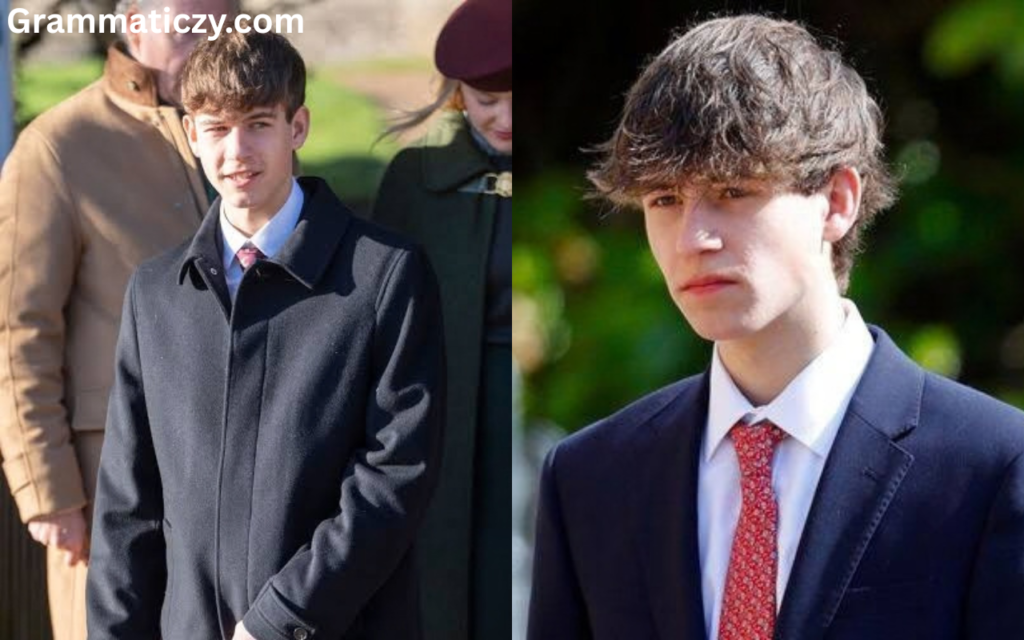
Edward and Sophie have developed a long-lasting partnership both privately and in public life. Their two children are Lady Louise Mountbatten-Windsor, born in 2003, and James, Earl of Wessex, born in 2007. The family lives at Bagshot Park in Berkshire. Sophie has also become a prominent working royal in her own right, and the couple frequently undertake official engagements together.
Family Life and Children
Family has remained an important part of Edward’s public identity. His marriage to Sophie has lasted more than two decades, and their children have largely grown up away from the most intense levels of royal publicity. Lady Louise and James have received opportunities to develop their own lives while remaining members of the wider royal family.
Edward’s approach to family life has generally been more private than the highly scrutinized relationships surrounding some other members of the monarchy. The couple have undertaken numerous public appearances together, but they have also maintained boundaries around their children and personal life.
The transition from Earl and Countess of Wessex to Duke and Duchess of Edinburgh also changed the family’s position within the monarchy. When Charles became King, Edward became one of the senior members of the Royal Family supporting the new monarch. His children consequently grew up during a period of significant change in the institution.
The Duke of Edinburgh’s Award
The Duke of Edinburgh’s Award is arguably the most important long-term cause associated with Prince Edward. He completed his own Gold Award in 1986, and his relationship with the organization has continued for approximately four decades. He became a trustee of the UK Award in 1988 and later took on international responsibilities.
The Award was founded by Prince Philip in 1956 and encourages young people to participate in volunteering, physical activity, skills development and expeditions. Its philosophy is based on helping young people discover abilities that may not necessarily emerge through formal academic education. Edward has repeatedly emphasized the importance of such opportunities in his public work.
The international reach of the organization has also grown substantially. According to the Royal Family, The Duke of Edinburgh’s International Award operates in more than 130 countries, while nearly half a million young people are actively participating in the program in the United Kingdom. Edward has served as Chairman of Trustees of the International Award Foundation since 2015, making the organization a central part of his continuing legacy.
Charitable Work and Youth Development
Youth development is one of the clearest themes running through Edward’s charitable career. His work has included organizations connected with education, sport, the arts and opportunities for younger generations. His philosophy has frequently emphasized practical experience and personal development rather than academic achievement alone.
His commitment to youth organizations also connects naturally with his father’s legacy. In 2020, Edward became Patron of London Youth, a network of youth clubs that had previously been associated with Prince Philip. The Royal Family has described opportunities for young people as a theme running through much of Edward’s public work.
Edward’s charitable responsibilities extend beyond Britain. His international visits frequently combine formal royal representation with visits to educational institutions, community organizations and youth initiatives. Through these engagements, he has developed a role that combines traditional royal diplomacy with support for social and educational causes.
Becoming the Duke of Edinburgh
One of the most significant events in Edward’s later life came on March 10, 2023, when King Charles III announced that he had conferred the Dukedom of Edinburgh upon his younger brother. The announcement came on Edward’s 59th birthday and formally transformed his principal title from Earl of Wessex into Duke of Edinburgh.
The title carried special historical significance because Prince Philip had been Duke of Edinburgh from his marriage to Princess Elizabeth in 1947 until his death in 2021. The title had also been associated with Queen Elizabeth II before she became monarch. Edward therefore inherited a title deeply connected with both of his parents.
King Charles III’s announcement specifically connected Edward and Sophie with the continuation of Prince Philip’s work promoting opportunities for young people. For Edward, the new title was therefore not merely a change in status; it represented a stronger connection to his father’s public legacy and to the causes that had shaped much of his own career.
Supporting King Charles III
As Duke of Edinburgh, Edward has become an important part of the group of working royals supporting King Charles III. His duties include representing the King at official events, attending ceremonial occasions and undertaking visits within the United Kingdom and overseas.
The Royal Family records Edward’s participation in major national occasions such as Trooping the Colour and Remembrance Day. He also attends Garden Parties and events connected with the Duke of Edinburgh’s Award. These responsibilities illustrate the balance between ceremonial duties and his own charitable interests.
His overseas responsibilities have also continued under King Charles III. In June 2026, Edward and Sophie undertook an official visit to Portugal, where they participated in events highlighting the historic relationship between Britain and Portugal. Their program included cultural, educational, technological and community engagements, as well as activities connected with the Duke of Edinburgh’s Award.
Recent Activities in 2026
Prince Edward has remained highly active during 2026. The official Court Circular records numerous engagements connected with youth development, culture, sport, military associations and charitable organizations. In July 2026, for example, he attended events associated with the Duke of Edinburgh’s Award and the Commonwealth Games in Glasgow.
His involvement with Commonwealth Sport has also been visible during 2026. Edward attended the Commonwealth Games in Glasgow in his capacity as Vice Patron of Commonwealth Sport, while also taking part in meetings connected with the wider organization. These responsibilities demonstrate how his role extends beyond traditional royal ceremonies into international sporting and youth-related activities.
His schedule continued into September 2026. The official Royal Diary lists upcoming engagements including attendance at the Windsor Festival and a National Youth Jazz Orchestra performance, as well as a community litter-picking event connected with World Clean-Up Day. These engagements reflect the wide range of cultural, youth and community interests that characterize his current public role.
Visit to Portugal and International Engagements
Edward’s June 2026 visit to Portugal offered a particularly clear example of how his modern role combines history, diplomacy, education and youth development. The visit marked the 640th anniversary of the Treaty of Windsor, the historic agreement that established the foundations of the enduring relationship between Britain and Portugal.
During the visit, Edward and Sophie attended events at the Portuguese National Archive, visited educational institutions and met community organizations. Edward also participated in activities involving young people and the Duke of Edinburgh’s International Award, demonstrating how his international travel frequently connects directly with his long-standing charitable priorities.
The visit also included technology, sport and cultural events. Edward visited a UK-Portuguese aerospace company, met Paralympic athletes and visited cultural institutions in Porto. At Oporto British School, he joined a Duke of Edinburgh’s International Award Open Day, meeting participants, youth ambassadors, alumni and representatives from schools and community organizations.
Personal Interests and Character
Edward’s personal interests have developed across several different fields. His early career in theatre and television demonstrates a long-standing interest in creative industries, while his educational background and later charitable work reveal a strong connection with learning and youth development.
His public schedule also shows continuing involvement with culture and sport. In 2026, he attended events connected with the Edinburgh International Festival, the National Youth Theatre, Commonwealth Sport and table tennis. Such engagements illustrate the broad range of causes and institutions associated with his current role.
Another important aspect of Edward’s public identity is continuity. His work with the Duke of Edinburgh’s Award connects his present responsibilities with experiences from his youth and with an organization created by his father. Few parts of his biography demonstrate that continuity as clearly as the fact that he completed the Gold Award himself before later becoming one of its leading international figures.
Prince Edward’s Net Worth and Finances
Prince Edward’s exact personal net worth is not officially published. Various celebrity and financial websites have produced estimates, often placing his personal wealth in the region of several million dollars. One frequently repeated estimate is approximately US$10 million, but such figures should be regarded as media estimates rather than confirmed financial statements.
Royal finances are also more complicated than a conventional celebrity’s finances. A working member of the Royal Family may receive support for official duties, travel, staffing and events, while public funding associated with the monarchy is not equivalent to an individual’s personal income. The Sovereign Grant, for example, supports official functions of the monarchy rather than operating as a straightforward personal salary for individual royals.
Edward’s historical professional income also came from his work in theatre and television before he became a full-time working royal. Today, however, his public role is primarily connected with official duties and charitable responsibilities. Because detailed personal financial records are not publicly disclosed, claims giving exact annual earnings or asset values should be treated cautiously.
Social Media and Online Presence
Prince Edward does not have the same type of highly personalized social-media presence associated with modern entertainers or influencers. His official activities are primarily communicated through the Royal Family’s institutional channels, where announcements, photographs, speeches and details of public engagements are published.
This approach reflects the nature of his position. Rather than building a separate personal brand online, Edward’s digital presence is closely connected with the institution he represents. Official Royal Family communications regularly document his work with charities, youth organizations, cultural institutions and international partners.
For readers searching for Prince Edward on Instagram, X or other social networks, the most authoritative information is therefore generally found through verified Royal Family channels and official charitable organizations rather than through an independently operated personal account. This distinction is important because numerous unofficial social-media profiles can use royal names or images without representing the Royal Family.
Awards, Recognition and Public Service
Edward’s public recognition has largely developed through long-term royal and charitable service rather than through entertainment awards. His Gold Duke of Edinburgh’s Award, decades of involvement with the organization and continuing leadership of its international foundation form some of the strongest elements of his professional legacy.
His royal responsibilities have also placed him at numerous important national and international occasions. He has represented the monarch overseas, participated in major ceremonial events and supported organizations connected with the arts, military, sport and young people.
The official Court Circular provides a useful record of this continuing work. In 2026 alone, Edward’s documented engagements have included meetings with the leadership of the International Award Foundation, Commonwealth Games activities, cultural events, military responsibilities and youth-focused occasions.
The Legacy of the Earl of Wessex
The story of the Earl of Wessex is ultimately a story of transition. Edward began adulthood as a young royal interested in building an independent career, moved through military service and entertainment, and eventually accepted the responsibilities of becoming a full-time working member of the Royal Family.
His strongest long-term association is likely to remain The Duke of Edinburgh’s Award. Because he completed the program himself and has subsequently spent decades supporting its development, Edward represents an unusual link between participant, family legacy and international leadership. His involvement has continued across different generations and different stages of the British monarchy.
The transition to Duke of Edinburgh strengthened that connection. Prince Philip’s title carried a substantial history, and Edward’s assumption of it placed him in a position where his own public service could continue elements of his father’s work while developing a distinct identity. The Royal Family has specifically described the Duke and Duchess of Edinburgh as continuing Prince Philip’s legacy of creating opportunities for young people from different backgrounds.
Conclusion
Prince Edward’s biography is not simply the story of a prince born into extraordinary circumstances. It is the story of someone who experimented with several professional identities before gradually finding a lasting role within public service. His experiences in education, the Royal Marines, theatre and television all contributed different chapters to a life that eventually became centered on charitable work and royal responsibilities.
His transformation from Prince Edward into the Earl of Wessex and later the Duke of Edinburgh mirrors the wider changes that have taken place within the British Royal Family. The titles have changed, generations have changed and the monarchy itself has evolved, but Edward’s commitment to youth development has remained remarkably consistent. His work with The Duke of Edinburgh’s Award provides a particularly strong example of how a personal experience can eventually become a lifelong public responsibility.
As Prince Edward continues his work as the Duke of Edinburgh, his story remains one of gradual growth, adaptation and service. His journey demonstrates that a meaningful legacy is not necessarily created through one dramatic achievement; it can also be built through decades of consistent involvement, responsibility and support for others. From his early years at Gordonstoun to his current international work with young people, Edward’s life reflects how perseverance and purpose can gradually transform a royal title into a wider commitment to public service.