
Karen Barber Biography: Early Life, Olympic Career, Dancing on Ice and Legacy
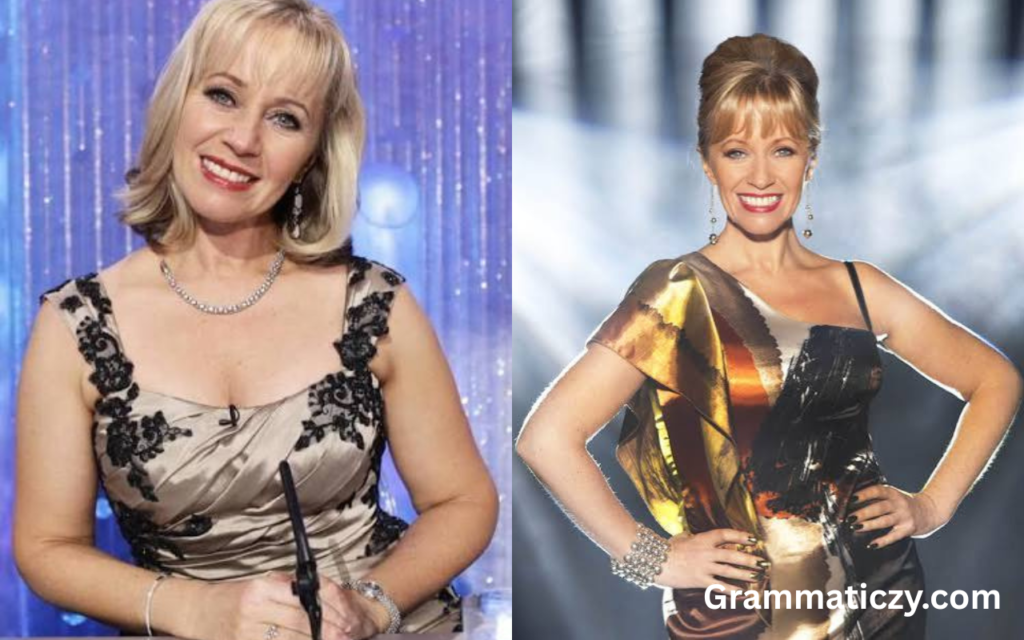
Karen Barber’s story is one of remarkable transformation. Long before television audiences knew her as a familiar face from Dancing on Ice, she had already built a serious reputation in British ice dancing. Born in Manchester in 1961, Barber rose through the competitive skating world, won a European Championship bronze medal, represented Great Britain at two Winter Olympics and became one of the country’s most experienced figures in ice dance. Her Olympic results improved from 12th at Lake Placid in 1980 to sixth at Sarajevo in 1984, demonstrating how far she and skating partner Nicky Slater had progressed.
What makes Karen Barber especially interesting is what happened after her competitive career. Rather than walking away from skating, she turned her knowledge and experience into a new professional life as a coach, mentor, judge and television personality. Her association with ITV’s Dancing on Ice introduced her expertise to millions of viewers, while her later work as head coach allowed her to help celebrity skaters understand the demanding world of performance on ice. Even decades after her Olympic appearances, Barber has remained closely connected with British skating.
Karen Barber’s Early Life and Childhood
Karen Barber was born on June 21, 1961, in Manchester, England. Olympedia records her height at approximately 165 centimetres and lists her affiliation with the Richmond Ice Dance & Figure Skating Club. Her early years were spent in Greater Manchester, including the Audenshaw area, where her connection with skating eventually became the foundation of an extraordinary sporting career.
Unlike many elite athletes who have access to specialist training from a very young age, Barber’s early path was comparatively modest. She did not begin her career surrounded by the enormous infrastructure that can accompany modern professional sport. Her progression therefore makes her later achievements even more notable because she had to develop her skills gradually and establish herself through competitive results.
The environment in which she grew up appears to have encouraged independence and determination. Ice dancing demands a combination of athletic control and artistic expression, and Barber developed both qualities over time. Her ability to interpret music, maintain balance and work closely with a partner eventually became central to her identity as a skater and later became valuable when she moved into coaching and television.
Karen Barber’s Education and Family Background
Public information about Karen Barber’s education and childhood family life is relatively limited compared with the extensive records available for her sporting career. Some biographical databases identify Brighton Girls among her educational history, but there is not a large amount of independently documented information about her school years. For that reason, details about her parents, siblings and private childhood circumstances should not be presented as established fact without stronger primary sources.
What is much clearer is the importance skating eventually assumed in her life. As Barber progressed through competitive ice dance, training became increasingly demanding. The sport required her to combine physical fitness with precision, choreography, musical timing and partnership skills. Those requirements helped shape a professional who could later assess not merely whether a skater completed a difficult movement but whether the entire performance worked as a piece of entertainment.
Her early sporting development also appears to have taught her the importance of patience. Ice dance is not a discipline in which success is usually created overnight. Small improvements in posture, edge control, rhythm and partnership accumulate over years. Barber’s later career demonstrates that she understood this process exceptionally well, particularly when she began helping inexperienced performers learn to skate for television.
Karen Barber’s Introduction to Competitive Ice Dancing
Barber first attracted significant attention as a junior skater. One of the defining achievements of her early career came in 1977, when she won a silver medal at the World Junior Championships with Kim Spreyer. That result gave her international recognition while she was still developing as an athlete.
The junior medal was more than an isolated achievement. It demonstrated that Barber possessed the technical and artistic qualities necessary to compete beyond the British domestic skating scene. Ice dancing places extraordinary emphasis on timing and partnership, so a strong junior international result suggested that she had the potential to progress into senior competition.
Her partnership with Spreyer eventually ended, leading to one of the most important changes in her sporting career: joining forces with Nicky Slater. Together, Barber and Slater developed into a highly competitive British ice-dance pair. Their partnership would ultimately take them to two Olympic Games and the podium at the European Championships.
Karen Barber and Nicky Slater
The partnership between Karen Barber and Nicky Slater became the defining competitive relationship of her skating career. The pair developed steadily through the late 1970s and early 1980s, climbing the international rankings as their skating matured. Their results show a clear progression from lower placements toward the leading group of European and world ice dancers.
At the World Championships, Barber and Slater finished 13th in 1979, then improved to 10th in 1980 and seventh in both 1981 and 1982. Their breakthrough came in 1983, when they finished fifth, repeating that position at the 1984 World Championships. They were sixth at the 1985 World Championships, demonstrating that their success was not a one-season phenomenon.
Their European Championship results followed a similar pattern. After finishing 11th in 1979 and eighth in 1980, they climbed to fifth in 1981 and 1982. In 1983, they reached the podium by winning bronze. They followed that with fourth-place finishes in 1984 and 1985. The consistency of these results established Barber and Slater as one of Britain’s strongest ice-dance partnerships of their generation.
Karen Barber at the 1980 Winter Olympics
Karen Barber reached the Olympic stage for the first time at the 1980 Winter Olympics in Lake Placid, New York. Competing alongside Nicky Slater, she represented Great Britain in ice dance and finished 12th.
For a young British ice dancer, simply reaching the Olympic Games represented a major achievement. The Olympics brought together the world’s best competitors, and the experience provided Barber with an opportunity to perform under pressure at the highest level. Her first Olympic appearance also became an important stepping stone toward the stronger results that followed.
The 1980 Games were therefore not the final destination but part of Barber’s development. Her performances over the following four years showed substantial progress. By the time she returned to the Olympics, she and Slater were no longer simply Olympic participants; they were established international contenders with a European medal already on their résumé.
The 1983 European Championship Bronze Medal
One of the biggest highlights of Karen Barber’s competitive career arrived in 1983 at the European Championships. She and Nicky Slater won the bronze medal, placing third behind the leading European partnerships. Olympedia specifically lists Barber among the Olympians who won a medal at the European Figure Skating Championships.
The medal was significant because European ice dancing was exceptionally competitive. A podium finish meant that Barber and Slater had moved beyond being promising British representatives and had become genuine medal contenders at a major international championship.
The 1983 season also demonstrated their broader improvement. They finished fifth at the World Championships that year, following several seasons of moving steadily upward through the rankings. The combination of a European bronze and a World Championship top-five finish represented the high point of their competitive momentum and set the stage for their second Olympic appearance.
Karen Barber at the 1984 Sarajevo Olympics
Four years after finishing 12th in Lake Placid, Barber returned to the Winter Olympics in Sarajevo. This time, she and Slater finished sixth in ice dance. Their sixth-place result represented a substantial improvement over their 1980 Olympic performance.
The Sarajevo Games were particularly important because they confirmed the development of Barber’s career. Moving from 12th to sixth at the Olympics showed that she and Slater had successfully transformed themselves from developing international competitors into established elite performers.
Although an Olympic medal remained out of reach, sixth place at the Games was an impressive result. Barber had now competed at two Olympics, won a European Championship medal and established a long record of top-level international finishes. Her competitive legacy was already secure before she eventually moved into the next stage of her professional life.
Karen Barber’s British Championship Success
The years surrounding the Sarajevo Olympics also brought success at domestic level. Barber and Slater became British ice-dance champions in 1985, adding a national title to their international résumé. Their domestic success complemented their European bronze medal and repeated World Championship top-six finishes.
Winning a British title was particularly meaningful because it demonstrated their position within the country’s skating hierarchy. They were not simply successful internationally; they had also become leading representatives of British ice dance at home.
By 1985, Barber had therefore accumulated a remarkable competitive record that included a World Junior silver medal, a European bronze, a British championship and two Olympic appearances. Those achievements gave her a strong foundation for the coaching career that followed.
From Elite Skater to Coach
When Barber moved away from competitive ice dancing, she did not abandon the sport. Instead, she transferred her knowledge to coaching. This was a natural progression because successful ice-dance coaching requires an understanding of technique, choreography, performance, musical interpretation and partnership—all areas in which Barber had spent years developing expertise.
Her coaching career allowed her to work from the other side of the rink. Instead of being the athlete receiving instructions, she became the experienced professional explaining how movements could be improved and how performers could become more confident.
That transition is one of the most important aspects of Barber’s biography. Many athletes struggle to find a new professional identity after retirement, but Barber remained connected to the same discipline while developing a completely different role. Her competitive experience became an asset rather than something left behind.
Karen Barber and Dancing on Ice
Karen Barber became closely associated with Dancing on Ice when the ITV programme launched in 2006. The show brought professional skating into mainstream British entertainment by pairing celebrities with experienced skaters and asking them to perform increasingly difficult routines. Barber became part of the programme’s judging and coaching structure.
Her presence gave the programme genuine competitive credibility. She understood what it felt like to learn demanding movements, perform under pressure and be evaluated by judges. At the same time, she understood that television skating was different from traditional championship competition because entertainment, personality and storytelling were equally important to viewers.
According to production records, Barber appeared on Dancing on Ice in judge and coach capacities and was credited as head coach during later seasons. IMDb lists her as head coach across the 2023–2025 period, illustrating how long her involvement with the programme continued.
Karen Barber as a Television Judge
Barber’s work as a Dancing on Ice judge introduced her professional expertise to a much broader audience. Rather than simply discussing whether a celebrity had performed a difficult lift, she could evaluate the details that experienced skaters notice: posture, edge quality, timing, control, musical interpretation and the relationship between partners.
Her judging role also required communication skills. Television audiences need explanations that are clear and understandable, particularly when viewers may have little knowledge of competitive skating. Barber’s experience allowed her to translate specialist skating concepts into observations that ordinary viewers could appreciate.
Her television career therefore became an extension of her sporting career. The rink had changed, the performers had changed and the stakes were different, but the fundamental principles of good skating remained familiar.
Karen Barber as Head Coach
Barber’s role as head coach became one of her most enduring contributions to Dancing on Ice. Production records identify her as head coach during the programme’s later years, while the official Torvill & Dean website describes her as head coach across 17 series and highlights her extensive experience on the judging panel.
Coaching celebrity contestants presents a different challenge from coaching elite athletes. Many television competitors arrive without years of skating experience. They may need to learn basic balance and skating control before they can even attempt the movements required for a television routine.
Barber’s role has therefore involved patience as well as technical knowledge. A successful coach must know when to challenge a performer and when to simplify an exercise. Her decades of skating experience gave her the perspective necessary to understand that improvement often comes through small, carefully managed steps.
Karen Barber’s Professional Relationship With Christopher Dean
Karen Barber is also known publicly through her long-term relationship with Christopher Dean, the Olympic champion and one half of the legendary Torvill and Dean partnership. Their relationship began in 2011 and has remained a subject of interest among skating fans.
The connection is particularly interesting because Barber had already established her own skating credentials long before becoming associated with Dean. She was an Olympic ice dancer in her own right, while Dean achieved global fame alongside Jayne Torvill. Their relationship therefore brought together two people with extensive histories in British ice skating.
In 2025, Dean discussed their life together publicly and spoke about their plans and lifestyle. Their shared connection to skating remains significant, but their life away from competition has also become an important part of their story.
Karen Barber’s Personal Life and Family
Barber was previously married to skating coach Stephen Pickavance, and public biographical sources report that she has two daughters, Laura and Emma. Details about her family are relatively private, however, and it is important not to overstate information that has not been consistently documented through reliable sources.
Her personal life has often received attention because of her relationship with Christopher Dean, but her identity extends well beyond that relationship. Before the two became partners, Barber had already spent decades building an independent career in international skating and television.
This balance between public professional life and private family life is characteristic of Barber’s career. She has remained visible enough to be recognised by television audiences while still keeping many aspects of her personal world away from constant public scrutiny.
Karen Barber’s Net Worth and Income
There is no reliable public financial record that establishes Karen Barber’s exact net worth. Various celebrity websites publish estimated figures, but those estimates differ significantly and are not supported by audited accounts or official financial disclosures. It is therefore more accurate to describe her net worth as undisclosed rather than attach an unsupported number to her name.
Barber’s likely professional income has come from several stages of her career. Competitive skating, professional performances, coaching, judging, television work and specialist appearances have all contributed to her long professional history.
Her greatest financial asset is arguably the expertise she has accumulated over decades. From Olympic competition to television coaching, Barber has built a career around knowledge that few people possess. Her value to skating productions comes not only from her public profile but from genuine experience at elite international level.
Karen Barber’s Social Media Presence
Unlike many modern television personalities, Karen Barber does not appear to maintain a clearly verified, highly prominent personal social-media presence across Instagram, X or LinkedIn. Searches for accounts under her name can produce profiles belonging to other people, so unverified usernames should not be presented as official.
Her public identity has instead been built primarily through television, skating events, interviews and professional appearances. This is particularly fitting given that Barber’s career began long before social media became part of celebrity culture.
Her online footprint is consequently more closely connected to skating archives and Dancing on Ice coverage than to influencer-style personal content. Fans looking for reliable information are better served by established Olympic and skating records than by assuming that every social-media account using the name Karen Barber belongs to the former Olympian.
Karen Barber’s Recent Career and Projects
Karen Barber’s involvement with skating has continued well beyond her competitive years. In 2025, she was listed as head coach on Dancing on Ice, confirming that her expertise remained part of the show’s production during its final ITV era.
She was also involved with the 2025 Torvill & Dean: Our Last Dance tour. The official Torvill and Dean website lists Barber among the skating team and describes her as a British primary, junior and senior ice-dance champion, a former Olympic competitor and a coach associated with Dancing on Ice.
Her involvement with that production illustrates the breadth of her career. Barber was not simply an athlete appearing in an old-fashioned retrospective; she was part of the professional team supporting a major celebration of British ice dancing. Her continued work alongside some of the sport’s most recognisable names demonstrates the enduring respect attached to her experience.
Karen Barber’s Legacy in British Ice Dancing
Karen Barber’s legacy is built on much more than the number of medals she won. Her competitive career included two Olympic Games, a European Championship bronze medal, a World Junior silver medal and a British championship. Her World Championship results also show years of sustained success at international level.
Her second career may ultimately prove just as influential. Through coaching and television, she helped introduce skating techniques and performance standards to audiences who might never have followed competitive ice dance. Her role as a mentor gave her an opportunity to pass knowledge from one generation of skaters to another.
The most impressive element of her story is the longevity of that influence. From junior competition to Olympic competition, from the competitive rink to television and from athlete to coach, Barber repeatedly adapted to changing circumstances without losing her connection to skating.
Final Thoughts on Karen Barber
Karen Barber’s journey is a powerful example of what can happen when talent is combined with persistence. Her early years in Manchester eventually led to international competition, two Olympic appearances and a European Championship medal. Her partnership with Nicky Slater became one of the strongest British ice-dance partnerships of the early 1980s, while her later career proved that retirement from competition did not mean retirement from the sport.
Through Dancing on Ice, Barber found a new platform from which to share her expertise. As a judge, coach and head coach, she became a familiar figure to television viewers while continuing to use the knowledge she had gained through decades of skating. Her later involvement with Torvill & Dean: Our Last Dance further demonstrated that her professional contribution to British ice skating remains relevant.
Ultimately, Karen Barber’s biography is a story about evolution. She did not allow one stage of her career to define the rest of her life. Instead, she carried the lessons of competitive sport into coaching, television and mentorship. Her journey reminds us that success is not always measured by an Olympic medal; sometimes the more lasting achievement is the ability to turn experience into knowledge and then pass that knowledge on to others. As Karen Barber’s skating legacy continues to be remembered, her career stands as an inspiring reminder that perseverance, adaptability and passion can transform a childhood interest into a lifetime of meaningful achievement.